Table of Contents
- Introduction
- What “Branding Beyond Logo” Really Means
- Why a Brand Is More Than Its Logo
- Key Elements of a Complete Brand Identity System
- 4.1 Color Palette
- 4.2 Typography
- 4.3 Visual Style & Art Direction
- 4.4 Brand Voice & Messaging
- 4.5 Packaging & Product Presentation
- 4.6 Photography Guidelines
- 4.7 Layout System & Grid Usage
- 4.8 Brand Applications
- How Typography Strengthens Brand Identity
- Recommended Fonts from CalligraphyFonts.net
- Conclusion
- References
- Yoast SEO Settings
1. Introduction
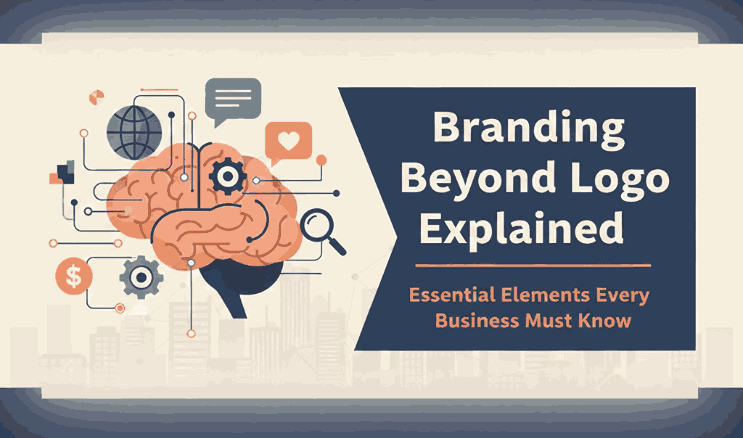
When people hear the word “Branding Beyond Logo,” most immediately think of a logo. While a logo is an important symbol, it only represents a small part of what branding truly is. A strong brand identity goes far beyond a single mark — it is a complete visual and emotional system that communicates the soul of a company.
This article explores the concept of Branding Beyond Logo, helping designers, creators, and business owners understand why branding is a holistic process. We will also share recommended fonts from CalligraphyFonts.net that can elevate your brand systems and visual consistency.
2. What “Branding Beyond Logo” Really Means
Branding beyond the logo refers to all elements that shape how people perceive a brand. Instead of relying on one symbol, a brand builds recognition through a combination of visuals, tone, structure, and experience.
A brand is:
- How your visuals make people feel
- How your words speak to the audience
- How consistent your identity appears across every platform
A logo is the signature, but the full identity system is what creates emotional connection.
3. Why Is More Than Its Branding Beyond Logo
A logo alone cannot communicate the brand story, values, tone, personality, or experience. Modern brands need more touchpoints—social media presence, packaging, typography systems, and digital interfaces.
A full Branding Beyond Logo system helps you:
- Build trust and familiarity
- Create consistent customer experiences
- Strengthen emotional connection
- Stand out in competitive markets
Brands like Apple, Nike, and Starbucks are recognized not just for their logos, but for their cohesive visual styles, tone of voice, and user experience.
4. Key Elements of a Complete Branding Beyond Logo Identity System
To build a brand beyond the logo, you need a system that includes visual, verbal, and experiential components.
4.1 Color Palette
Color influences emotions and shapes perception. A strategic color palette reinforces brand personality, from calm and minimalist to bold and energetic.
Examples:
- Blue: trust, reliability
- Yellow: optimism, friendliness
- Black: luxury, sophistication
4.2 Typography
Typography is one of the strongest identity pillars. The fonts you choose affect clarity, emotion, and visual tone across every brand asset.
Consistent typography builds recognition even without the logo being present.
4.3 Visual Style & Art Direction
This includes illustration style, photography tone, shapes, textures, patterns, and graphic elements.
Art direction ensures:
- Grid consistency
- Image treatment
- Composition rules
- Aesthetic continuity
4.4 Branding Beyond Logo Voice & Messaging
A brand’s voice defines how it communicates. Is it playful? Corporate? Friendly? Luxurious?
Messaging includes:
- Tagline
- Brand story
- Social media tone
- Website copy
4.5 Packaging & Product Presentation
Packaging is a brand touchpoint that directly interacts with customers. The design must reflect the brand personality through:
- Structure
- Materials
- Graphics
- Label layout
4.6 Photography Guidelines
Photography direction includes:
- Color tone
- Lighting mood
- Framing
- Subject focus
Strong photography is essential for ecommerce and digital branding.
4.7 Layout System & Grid Usage
A layout system ensures visual consistency across:
- Brochures
- Social media templates
- Posters
- Website pages
4.8 Brand Applications
A brand becomes recognizable when the system is applied consistently across:
- Website
- Packaging
- Social media
- Stationery
- Ads
- Merchandise
- Marketing materials
This is how the brand identity becomes alive.
5. How Typography Strengthens Branding Beyond Logo Identity
Typography is more than choosing a beautiful font. It influences:
- Brand recognition
- Tone of communication
- Hierarchy and structure
- Emotional expression
For example:
- A bold sans serif creates a modern and confident image
- A rounded typeface feels friendly and playful
- A futuristic font fits tech or gaming brands
- A minimal font supports luxury and clean branding
Choosing the right font family helps unify the brand across all touchpoints.
6. Recommended Fonts from CalligraphyFonts.net
Here are curated fonts from your website that fit perfectly into a brand identity system:
1. Overcame Font
A bold and modern sans serif suitable for branding, headlines, and strong identity systems.
2. Snake Game Font
Unique, futuristic, and ideal for tech, gaming, or digital-focused branding.
3. Faint Green Font
Clean and elegant, ideal for editorial style, body text, and premium branding.
4. Pictorial Style Font
Creative and expressive, perfect for artistic branding, packaging, or illustration-heavy brands.
7. Conclusion Branding Beyond Logo
Branding is a complete experience—not just a logo. Businesses that invest in full identity systems see stronger customer loyalty, better recognition, and clearer communication.
Consistent typography, color palettes, visual elements, and messaging shape the emotional relationship between brand and audience.
Using the right fonts, such as those from CalligraphyFonts.net, supports the identity and elevates the brand’s visual presence across all platforms.
8. References
- Canva – Understanding Branding Basics
- Din Studio – Branding Is Not Just a Logo
- Inkbot Design – Beyond Logos: The Business Case for Branding