
Table of Contents
- Introduction
- What Is a Logo Design Brief?
- Why You Need a Logo Design Brief Template
- Key Elements of an Effective Logo Design Brief
- 4.1 Company Background
- 4.2 Brand Personality
- 4.3 Target Audience
- 4.4 Competitor Insights
- 4.5 Project Objectives
- 4.6 Preferred Style & Visual Direction
- 4.7 Color Palette & Typography
- 4.8 Usage Requirements
- 4.9 Budget & Timeline
- Sample Logo Design Brief Template (Ready to Copy)
- Best Fonts for Logo Design (Font Mockups Included)
- Tips for Designers & Clients
- Conclusion
- References
1. Introduction Logo Design Brief Template
Logo Design Brief Template Creating a great logo doesn’t start with sketching—it starts with clarity. A clear, well-structured Logo Design Brief Template helps designers understand a brand’s identity, mission, audience, and visual expectations before the creative process begins. Whether you are a designer or a business owner, using a strong brief ensures smooth communication, faster revisions, and a professional final result.
This article will guide you through everything you need to include in a powerful logo design brief, complete with a ready-to-use template and recommended fonts you can use for your branding projects.
2. What Is a Logo Design Brief Template?
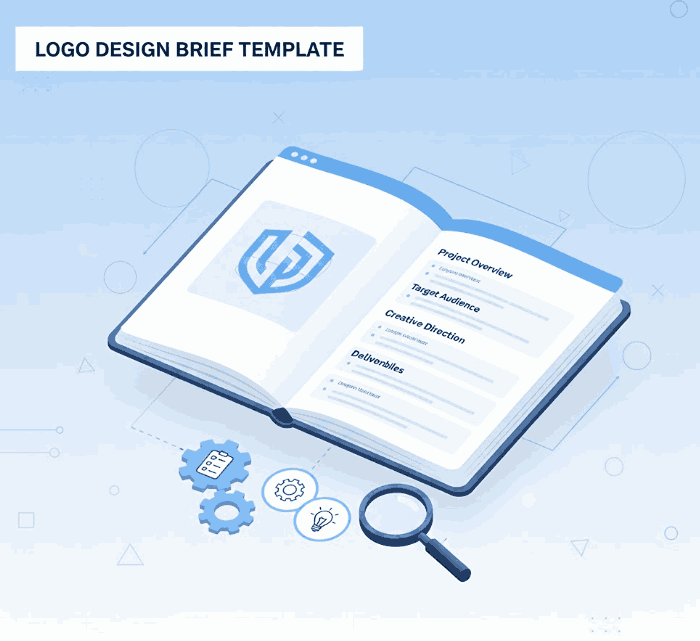
A logo design brief is a document that outlines essential information about a brand, design goals, project requirements, and visual preferences for creating a new logo. It acts as the foundation of the entire design process, ensuring both client and designer are aligned from the start.
Without a proper brief, the logo creation process becomes guesswork—and costly revisions are bound to happen.
3. Why You Need a Logo Design Brief Template
A professional Logo Design Brief Template helps you:
- Gather essential brand information quickly
- Communicate expectations clearly
- Prevent misunderstandings
- Reduce revision rounds
- Speed up project delivery
- Improve collaboration
- Build brand consistency
Most importantly, a template ensures every detail is covered—no missing pieces that might slow down the project later.
4. Key Elements of an Effective Logo Design Brief Template
4.1 Company Background
Provide critical information such as:
- Company name
- Industry
- Products or services offered
- Unique selling points (USP)
- Mission and vision
This helps designers understand what makes the brand special.
4.2 Brand Personality
Is the brand modern or traditional? Playful or corporate? Elegant or bold?
Defining personality helps create a visual identity that reflects the brand’s character.
4.3 Target Audience
Understanding audience demographics and behaviors allows designers to craft a logo that resonates with the right people.
Examples:
- Age group
- Interests
- Location
- Pain points
- Purchase motivation
4.4 Competitor Insights
Analyzing competitors helps a brand:
- Avoid similarity
- Identify design gaps
- Ensure uniqueness in the market
Clients should list 3–5 competitors with screenshots or logos for comparison.
4.5 Project Objectives
Define what the logo must achieve:
- Increase brand recognition
- Rebrand existing identity
- Launch a new product line
- Modernize outdated visuals
4.6 Preferred Style & Visual Direction
This section outlines the brand’s visual tastes:
- Minimalist
- Handwritten
- Luxury
- Vintage
- Geometric
- Playful
- Serif / Sans serif
Providing sample inspirations helps designers eliminate guesswork.
4.7 Color Palette & Typography
State preferred (or avoided) colors and suggest potential typefaces. Clear direction prevents inconsistent branding.
4.8 Usage Requirements
Where will the logo be used?
- Website
- Social media
- Packaging
- Business cards
- Apparel printing
- Signage
Knowing these helps designers choose the right file formats and scalability.
4.9 Budget & Timeline
A brief should mention:
- Budget range
- Preferred timeline
- Important milestones
This helps align expectations from day one.
5. Sample Logo Design Brief Template (Copy & Paste)
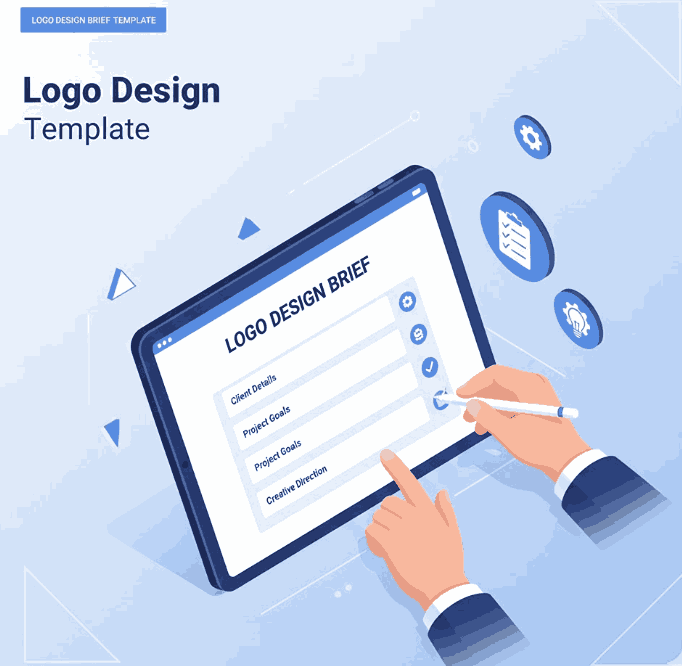
Logo Design Brief Template
1. Company Information
- Company Name:
- Industry:
- Products/Services:
- Mission & Vision:
2. Brand Personality
(Select or describe)
- Modern / Traditional
- Playful / Formal
- Luxurious / Minimal
3. Target Audience
- Age:
- Gender:
- Interests:
- Location:
4. Competitors
(List at least 3 and their websites/logos)
5. Project Goals
- What problem should the logo solve?
6. Style Preferences
- Preferred Style (Modern, handwritten, bold, etc.)
- Example Inspirations:
- Colors to Use/Avoid:
7. Typography Preferences
- Script / Sans / Serif / Calligraphy
- Optional: Provide font examples
8. Usage Requirements
- Where will the logo appear?
9. Deliverables
- File formats (PNG, SVG, AI, EPS)
- Primary + Secondary versions
10. Budget & Deadline
- Budget range:
- Deadline:
- Milestones:
6. Best Fonts for Logo Design Brief Template (Mockups Included)
Here are premium calligraphy fonts from CalligraphyFonts.net that work beautifully for logo design. Use them as mockup samples in your brief:
Jaycee Looks Font (Handwritten Signature)
Perfect for personal branding, fashion labels, or creative studios.
Joanna Fanny Font (Elegant Script)
Ideal for luxury branding, boutique logos, wedding businesses, and premium products.
Anthonyela Calligraphy Font (Bold & Stylish)
Great for beauty brands, lifestyle logos, upscale packaging, and signature logos.
These fonts bring emotional value, personality, and professionalism to any branding project.
7. Tips for Designers & Clients Logo Design Brief Template
✓ For Designers
- Ask follow-up questions when the brief is unclear
- Offer 2–3 design directions based on the brief
- Use premium fonts to elevate professionalism
- Provide a brand style guide with logo delivery
✓ For Clients
- Be honest and specific about preferences
- Provide real examples and inspirations
- Avoid “I’ll know it when I see it” feedback
- Trust the designer’s creative judgment
8. Conclusion Logo Design Brief Template
A strong Logo Design Brief Template is essential for producing meaningful, visually consistent, and brand-aligned logo designs. Whether you run a business or work as a designer, using a well-structured brief saves time, avoids confusion, and leads to stunning results.
With the template provided above—and the recommended fonts from CalligraphyFonts.net—you have everything you need to create a professional and effective logo design workflow.
9. References
- DinStudio — Things to Get Clear Before Designing a Logo
- VistaPrint — 3 steps to the perfect logo design brief
- Brandingmag — Narrating the discussion
- SmashingMagazine — Design