Posted on

Art Deco Graphic Design: New Elements and Modern Use Cases

Art Deco Graphic Design

Table of Contents

  1. Introduction to Art Deco in Modern Design
  2. What Is Art Deco Graphic Design?
  3. Historical Origins of Art Deco Visual Language
  4. Key Visual Elements of Art Deco
  5. Why Art Deco Continues to Influence Designers
  6. Art Deco Typography Characteristics
  7. Recommended Art Deco Fonts from CalligraphyFonts.net
  8. Best Uses of Art Deco Style in Modern Branding
  9. Tips for Creating Authentic Art Deco Designs
  10. Final Thoughts
  11. References & Authority Sources

1. Introduction to Art Deco Graphic Design Modern

A century after its rise during the early 20th century, Art Deco continues to shape contemporary graphic design and branding. Defined by elegant geometry, dramatic ornamentation, and metallic luxury aesthetics, Art Deco Graphic Design appeals to modern audiences because it blends nostalgia with futuristic sophistication.

Today, many designers apply Art Deco characteristics to create visual identity systems that feel refined, bold, and timeless. Its structured compositions and luxurious visual cues work well for digital and print branding alike.

Art Deco Graphic Design

2. What Is Art Deco Graphic Design?

Art Deco Graphic Design refers to visual communication rooted in the Art Deco movement, which thrived globally in the 1920s–1940s. The style represents progress, luxury, and bold modernism. It frequently incorporates geometric motifs, symmetry, sunbursts, metallic highlights, and decorative typography.

This design approach emerged as a reaction to industrialization—merging mechanical precision with ornamental beauty.

3. Historical Origins of Art Deco Graphic Design Visual Language

Art Deco was first introduced at the Paris Exposition of 1925, and quickly spread through architecture, product design, fashion, and graphic arts.

Influences included:

  • Cubism
  • Futurism
  • Bauhaus
  • Egyptian revival motifs
  • Jazz Age culture

During the 1930s, Art Deco shaped movie posters, travel advertisements, publications, and product packaging, helping define visual modernity for decades to come.

4. Key Visual Elements of Art Deco Graphic Design

Art Deco designs can be recognized through specific characteristics, including:

  • Symmetry and precise geometry
  • Strong vertical orientation
  • Sharp angular lines and repetitive patterns
  • High contrast shapes
  • Metallic or monochrome palettes
  • Radiating arches & sunbursts
  • Ornamental border framing
  • Tall condensed fonts

These elements work together to communicate elegance, luxury, and technological optimism.

5. Why Art Deco Graphic Design Continues to Influence Designers

Art Deco remains popular in graphic branding because it conveys:

  • exclusive luxury
  • timeless refinement
  • elegant modern minimalism
  • dramatic visual hierarchy
  • bold artistic personality

Luxury hotels, beauty brands, jewelry, high-end event venues, editorial publications, and interior designers frequently employ Art Deco motifs.

It helps build brand perception while elevating aesthetic value.

6. Art Deco Graphic Design Typography Characteristics

Typography is a primary identifier of Art Deco style. Letterforms often display:

  • tall vertical proportions
  • geometric and symmetrical strokes
  • dramatic contrast between thick and thin forms
  • minimal curves mixed with angular flare
  • condensed widths suited for signage

These features make Art Deco fonts ideal for:

  • headlines
  • logo display text
  • magazine title plates
  • posters
  • packaging
Art Deco Graphic Design

7. Recommended Art Deco Fonts from CalligraphyFonts.net

Below are premium fonts chosen for mockup examples, ideal for illustrating Art Deco applications in your blog post.

1. Secret Come Font

Elegant serif letterforms evoke premium vintage aesthetics.

2. Mode Center Font

Clean, stylized geometry suited for modern Art Deco headlines.

3. Quillbacks Font

Decorative serif strokes support ornamental compositions.

4. Ameralda Font

Strong luxury presence perfect for brand identity and signage.

Using display fonts with geometric geometry and stylized balance reinforces Art Deco’s classic visual signatures.

8. Best Uses of Art Deco Style in Modern Branding

Designers apply Art Deco visual languages in various branding applications:

  • Beauty & fashion labels
  • Luxury hotels and real estate
  • Jewelry packaging and boutique identity
  • Wedding invitations and event graphics
  • Film, theatre, and music poster layouts
  • Vintage revival brand campaigns

These use cases reflect the style’s ability to attract sophisticated audiences while maintaining design clarity and structure.

9. Tips for Creating Authentic Art Deco Designs

To build accurate Art Deco visuals:

✔ Use gold, black, navy, ivory, or emerald palettes
✔ Apply symmetrical and grid-based layouts
✔ Incorporate geometric motifs such as arches, triangles, sunbursts
✔ Choose tall display fonts with structural precision
✔ Use thick borders and repeating linear or radial patterns

Combining geometry and elegance produces results aligned with Art Deco identity.

10. Final Thoughts

Art Deco Graphic Design remains a timeless influence in branding and advertising. Its symmetry, contrast, and exclusive typography feel modern even today.

Designers who want to express sophistication and bold style can apply Art Deco principles—especially through carefully selected fonts—to create memorable visuals for contemporary projects.

Premium display fonts from CalligraphyFonts.net offer ideal tools to achieve authentic Art Deco expression across industries and media formats.

11. References

  • Wikipedia — Art Deco
  • Linearity — Arts Décoratifs: the history of Art Deco
  • Din Studio — Discover Art Deco : A Graphic Design Style
  • Movink Graphic — Art Deco Graphic Design Characteristics, History, and More
Posted on

Streamline Architecture History: New Origins, Features & Influence

Streamline Architecture History

Table of Contents

  1. Introduction
  2. What Is Streamline Architecture?
  3. Historical Background: The Rise of the Streamline Era
  4. Key Characteristics of Streamline Architecture
  5. Influence of Industrial Design on Streamline Architecture
  6. Streamline in Modern Visual & Graphic Design
  7. Using Fonts to Illustrate Streamline Style in Design Projects
  8. Recommended Fonts for Streamline-Inspired Mockups
  9. Why Streamline Design Still Matters Today
  10. Conclusion
  11. References

1. Introduction

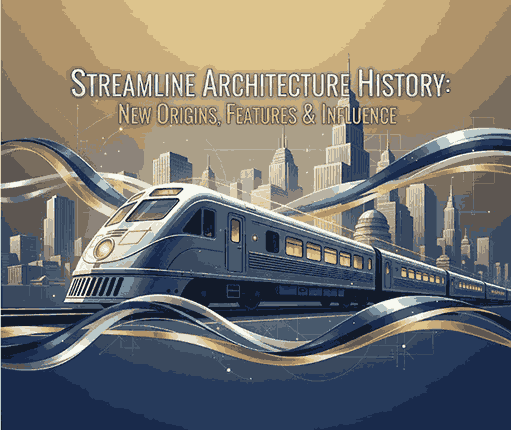
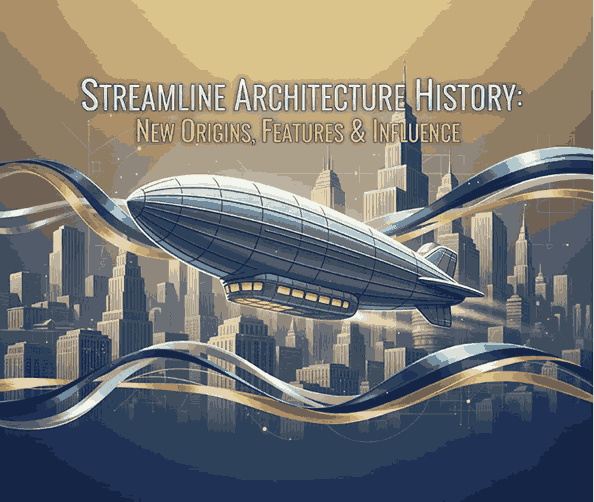
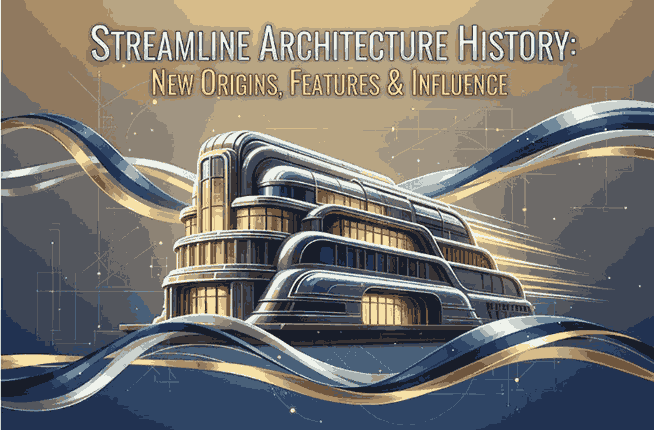
Streamline Architecture History — often called Streamline Moderne—is one of the most iconic design styles that emerged in the early 20th century. Recognized by its sleek forms, rounded edges, and aerodynamic aesthetics, this movement significantly shaped the design world. From buildings and transportation to graphic design and typography, Streamline’s influence continues to inspire modern creatives today.

This article explores the Streamline Architecture History, its core characteristics, and how designers can incorporate its visual philosophy into contemporary projects, including font usage.

Streamline Architecture History

2. What Is Streamline Architecture History?

Streamline architecture is a style that emphasizes smooth, flowing lines, curved forms, and a sense of movement. It was deeply inspired by machines and the aerodynamic principles seen in vehicles like trains, ships, and airplanes.

Unlike the sharp, geometric angles of Art Deco, Streamline Moderne softened the aesthetic to create more fluid and horizontal visuals.

3. Historical Background: The Rise of the Streamline Architecture History Era

The Streamline movement gained popularity during the 1930s and 1940s, particularly in the United States and parts of Europe. The Great Depression significantly influenced design sentiment—simplicity, efficiency, and functionality became priorities.

Many experts link the rise of this aesthetic to:

  • Industrial mass production
  • Advances in transportation technology
  • The cultural fascination with speed and progress

Streamline architecture became a symbol of optimism and modernity, showing that even in difficult times, design could embody hope and innovation.

4. Key Characteristics of Streamline Architecture History

Streamline architecture is easily recognized through its unique features, including:

✓ Horizontal Emphasis

Horizontal lines dominate the façade, creating a sense of speed.

✓ Rounded Corners

Curved edges imitate aerodynamic surfaces, similar to vehicles.

✓ Long Bands of Windows

Often called “ribbon windows,” these add continuity and visual flow.

✓ Smooth, Polished Surfaces

Materials such as stucco, chrome, glass block, and metal were common.

✓ Nautical Influence

Many buildings feature ship-like elements such as porthole windows, metal railings, and deck-inspired terraces.

✓ Minimal Ornamentation

Unlike Art Deco, Streamline architecture avoids heavy decoration, focusing on form and function.

5. Influence of Industrial Design on Streamline Architecture History

Streamline architecture is inseparable from industrial design. During the Machine Age, designers focused on making products efficient, aerodynamic, and visually appealing. This industrial mindset carried over into architecture, shaping buildings to feel fast, futuristic, and functional.

The era also produced iconic streamlined products like radios, refrigerators, cars, and household items—all contributing to the overall aesthetic.

6. Streamline Architecture History in Modern Visual & Graphic Design

Today’s designers still draw inspiration from Streamline principles, especially in:

  • Branding
  • Logo design
  • Editorial layout
  • Typography
  • Product packaging

The style’s clean geometry, sleek curves, and minimalism align with today’s modern design trends. Many brands use a streamlined visual identity to convey innovation, sophistication, and efficiency.

7. Using Fonts to Illustrate Streamline Architecture History Style in Design Projects

Fonts play a crucial role in interpreting Streamline architecture for digital and graphic design projects. Ideal choices include:

  • Clean sans-serif fonts
  • Geometric shapes
  • Minimalist strokes
  • Rounded edges
  • Sleek modern lines

These qualities echo the smooth, futuristic, and aerodynamic character of the Streamline movement.

8. Recommended Fonts for Streamline Architecture History-Inspired Mockups

Below are font products from CalligraphyFonts.net that complement the Streamline aesthetic perfectly:

1. Holters Font

A clean, minimal sans-serif with modern geometry—perfect for sleek headings and display designs.

2. Dinernighty Font

A retro yet modern sans-serif with strong Streamline character. Its rounded structure mimics Machine Age styling.

3. True Private Font

A professional minimalist sans-serif ideal for architectural layouts, infographics, and posters.

4. Bluefine Modern Font

A sophisticated geometric font with clean strokes, perfect for creating elegant Streamline-style presentations.

Using these fonts will help designers visually translate the aerodynamic, futuristic spirit of the Streamline era into modern creative work.

Streamline Architecture History

9. Why Streamline Architecture History Design Still Matters Today

Even decades later, Streamline architecture remains relevant for several reasons:

• Timeless Modern Appeal Streamline Architecture History

Its clean lines and minimalist nature align with today’s design trends.

• Versatility Streamline Architecture History

The style fits various applications—architecture, branding, typography, and product design.

• Psychological Impact Streamline Architecture History

Smooth and aerodynamic visuals create feelings of efficiency, speed, and modernity.

• Inspiration for Futuristic Design

Many futuristic concepts borrow from Streamline’s curves and aerodynamic shapes.

The movement may have begun almost a century ago, but its influence continues to shape the design world today.

10. Conclusion

The history of Streamline architecture represents an important chapter in design evolution. From its industrial roots to its impact on modern aesthetics, this style remains a source of inspiration for contemporary designers. Whether you’re working on branding, editorial layouts, or digital visuals, incorporating Streamline principles—and using suitable fonts—can elevate your work with a sense of polished modernity.

The recommended fonts from CalligraphyFonts.net offer the perfect tools to bring Streamline-inspired concepts to life in your design projects.

11. References