Posted on

Debranding Strategy in Branding: How to Simplicity Is Reshaping Modern Brands

Debranding Strategy In Branding

Table of Contents

  1. What Is a Debranding Strategy in Branding?
  2. Why Big Brands Are Choosing Debranding
  3. Key Characteristics of a Successful Debranding Strategy
  4. The Role of Typography in Debranding
  5. Font Mockup Examples for Debranding Branding
  6. When Debranding Works — and When It Doesn’t
  7. How Designers Can Apply Debranding Principles
  8. Final Thoughts

1. What Is a Debranding Strategy In Branding?

A debranding strategy in branding is the process of simplifying a brand’s visual identity by removing unnecessary details. This can include:

  • Simplifying logos
  • Reducing color palettes
  • Using cleaner typography
  • Removing icons or symbols entirely

The goal is not to weaken the brand, but to make it more recognizable, flexible, and timeless. In many cases, debranding helps brands communicate confidence—because strong brands don’t need excessive decoration to be recognized.

Debranding Strategy In Branding

2. Why Big Choosing Debranding Strategy In Branding

There are several reasons why debranding has become so popular:

Digital-First Branding

Brands today must look good on websites, apps, social media icons, and small mobile screens. Complex logos don’t scale well, while simplified branding performs better across digital platforms.

Faster Recognition

Minimal branding allows audiences to recognize a brand instantly without visual noise. Clean typography and simple marks are easier to remember.

Timeless Design

Trends change quickly, but simplicity lasts. Debranding helps brands avoid frequent redesigns and stay relevant longer.

Global Consistency

Simpler logos and typography are easier to adapt across cultures, languages, and markets.

3. Key Characteristics of a Successful Debranding Strategy In Branding

A strong debranding strategy usually includes:

  • Minimal visual elements
  • Strong, readable typography
  • Neutral or limited color usage
  • Clear brand voice and tone
  • Consistency across platforms

Typography often becomes the main visual identity once logos and symbols are reduced—making font selection more important than ever.

4. The Role of Typography in Debranding Strategy In Branding

When brands remove icons and complex visuals, typography takes center stage. Fonts communicate personality, trust, and emotion without needing extra decoration.

In debranded identities:

  • Serif and script fonts can add human warmth
  • Clean display fonts create confidence and clarity
  • Well-designed letterforms replace symbols as brand signatures

This is why choosing the right font is critical for modern branding strategies.

Debranding Strategy In Branding

5. Font Mockup Examples for Debranding Strategy In Branding

Here are font examples from CalligraphyFonts.net that work exceptionally well for branding and debranding concepts:

Suffragist Font

A natural and confident script font that brings a human touch to minimalist branding. Ideal for lifestyle, fashion, and boutique brands.

Dinernighty Font

A clean yet expressive font suitable for logo text and brand headlines, especially when icons are removed.

Jungle Queen Font

A bold script font that maintains personality even in simplified branding systems. Works well as a standalone logo text.

Charima Sharene Font

Elegant and refined, this font is perfect for premium branding that relies on typography instead of visual symbols.

These fonts demonstrate how strong typography can replace complex logos while maintaining brand character.

6. When Debranding Works — and When It Doesn’t

Debranding Works Best When:

  • The brand already has strong recognition
  • Typography is carefully chosen
  • The brand message is clear and consistent

Debranding Can Fail If:

  • The brand lacks identity clarity
  • Typography is generic or poorly designed
  • Simplicity removes too much personality

Debranding is not about being boring—it’s about being intentional.

7. How Designers Can Apply Debranding Strategy In Branding Principles

Designers working on modern branding projects can apply debranding strategies by:

  • Starting with typography-first logo concepts
  • Reducing color usage to essentials
  • Testing logos at small sizes early
  • Focusing on readability and spacing
  • Letting fonts carry the brand personality

Fonts from curated libraries like CalligraphyFonts.net make it easier to build strong identities without visual clutter.

8. Final Thoughts

A debranding strategy in branding is not about removing value—it’s about removing distraction. In a crowded digital world, clarity wins. Brands that embrace simplicity, supported by strong typography, often appear more confident, modern, and trustworthy.

By combining debranding principles with expressive, high-quality fonts, designers can create brand identities that are both minimal and memorable.

References

  • Canva Branding tips and tricks
  • Interaction Design The world’s biggest collection of design knowledge
  • Din Studio What Makes Big Companies Change Their Logos to Simpler Ones?
Posted on

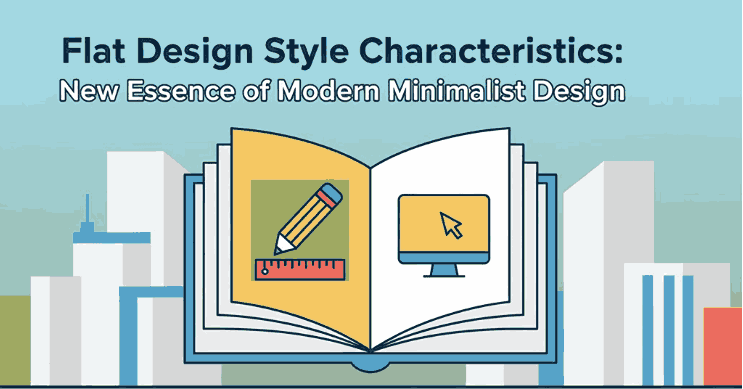
Flat Design Style Characteristics: New Essence of Modern Minimalist Design

Flat Design Style Characteristics

Table of Contents

  1. Introduction
  2. What Is Flat Design Style?
  3. The Origin of Flat Design
  4. Key Characteristics of Flat Design
    • 4.1 Minimalism and Simplicity
    • 4.2 Bold and Vibrant Colors
    • 4.3 Clean Typography
    • 4.4 Geometric Shapes and Icons
    • 4.5 Focus on Functionality
  5. Benefits of Using Flat Design
  6. Flat Design in Branding and Typography
  7. Recommended Fonts for Flat Design Projects
  8. Conclusion
  9. References

1. Introduction

In today’s world of digital design, Flat Design Style Characteristics has become one of the most popular and influential visual styles. Known for its clean, minimal, and modern look, flat design eliminates unnecessary textures, shadows, and gradients, focusing instead on clarity and usability.

This article explores the characteristics of flat design style, its evolution, and how designers can use it effectively in branding and typography. If you’re looking to elevate your visual identity or UI project, understanding flat design is essential.

Flat Design Style Characteristics

2. What Is Flat Design Style Characteristics?

Flat Design is a minimalist approach to user interface and graphic design that emphasizes functionality and simplicity.
Instead of imitating 3D effects or realistic textures (like in skeuomorphism), flat design uses solid colors, clean lines, and two-dimensional elements to convey information efficiently.

Flat Design became popular with tech giants such as Microsoft (Windows 8) and Apple (iOS 7), who adopted the style to create user-friendly, visually clear interfaces.

3. The Origin of Flat Design Style Characteristics

The concept of Flat Design can be traced back to Swiss Style or International Typographic Style from the 1950s, which focused on clarity, readability, and grid-based design.
When digital interfaces became mainstream, designers adapted these principles into a new digital form—resulting in Flat Design.

Its resurgence in the 2010s was a reaction against the heavily textured, skeuomorphic designs that dominated early smartphone interfaces. Designers began favoring cleaner, faster-loading visuals suitable for mobile and responsive environments.

4. Key Characteristics of Flat Design Style Characteristics

Let’s break down the defining Flat Design Style Characteristics that make it stand out.

4.1 Minimalism and Simplicity

Flat design embraces the “less is more” philosophy. Elements are stripped of unnecessary details, leaving only what’s essential. This creates a visually balanced layout that enhances readability and usability.

4.2 Bold and Vibrant Colors

Color plays a major role in flat design. Designers often use bright, contrasting palettes to draw attention and maintain visual interest. Common combinations include blues, oranges, purples, and greens that add energy without relying on gradients or depth.

4.3 Clean Typography

Typography in flat design is simple yet powerful. Sans-serif fonts are typically used for their readability and modern feel.
Fonts with clean lines, strong weight, and geometric proportions enhance the flat aesthetic by aligning with its functional and minimalist principles.

4.4 Geometric Shapes and Icons

Flat design relies heavily on geometric shapes, such as circles, rectangles, and triangles, to create icons and layouts. These elements contribute to a consistent visual system that users can understand instantly.

4.5 Focus on Functionality

Every element in flat design serves a purpose. Buttons, icons, and text are designed to communicate quickly and clearly, ensuring that usability remains at the core of the design.

5. Benefits of Using Flat Design Style Characteristics

Flat Design isn’t just aesthetically pleasing—it offers several practical benefits:

  • Faster loading times: Fewer textures and effects mean lighter graphics.
  • Improved user experience: Simple layouts help users navigate more intuitively.
  • Better scalability: Works well across different screen sizes and devices.
  • Timeless appeal: Minimalist designs age more gracefully than trend-heavy styles.

Because of these advantages, Flat Design remains a favorite among web designers, app developers, and branding experts.

6. Flat Design Style Characteristics in Branding and Typography

Flat Design extends beyond digital interfaces—it influences brand identity, logos, and typographic systems.
Modern brands use flat-style logos for clarity and adaptability. Think of brands like Spotify, Dropbox, and Google, which use minimal geometric forms and bold colors for maximum recognition.

Typography plays a crucial role in achieving harmony within flat design. Fonts must be readable, modern, and visually aligned with the overall design concept.

Here’s where custom or calligraphic fonts come in: adding a touch of human warmth to otherwise minimalist compositions.

7. Recommended Fonts for Flat Design Style Characteristics Projects

Here are some font recommendations from CalligraphyFonts.net that pair beautifully with Flat Design aesthetics:

  • Overcame Font – A strong and minimalist sans-serif perfect for bold titles or UI elements.
  • Faint Green Font – Elegant and modern, ideal for branding that requires clarity and a natural flow.
  • Creatoria Font – A clean and stylish display font, excellent for flat-style logos and posters.
  • Aesthetic Sunset Font – Adds a soft, artistic touch while maintaining simplicity—great for lifestyle or creative brands.

Using the right font enhances your flat design project’s visual balance and emotional tone, making your brand more memorable and consistent.

Flat Design Style Characteristics

8. Conclusion

The Flat Design Style Characteristics showcase the perfect balance between simplicity and function.
By focusing on minimalism, bold colors, and clean typography, designers can create visuals that are not only beautiful but also user-friendly and efficient.

Whether you’re working on a brand identity, mobile app, or website UI, flat design offers a timeless framework for visual communication.
To elevate your design projects, choose fonts that align with flat design’s clarity and purpose—explore more typefaces at CalligraphyFonts.net and bring simplicity to life.

9. References