Posted on

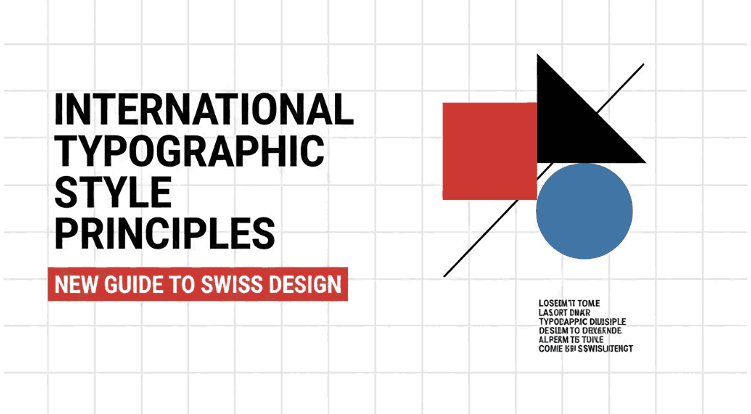
International Typographic Style Principles: New Guide to Swiss Design

International Typographic Style Principles

Table of Contents

  1. What Is the International Typographic Style?
  2. Origins of Swiss Graphic Design
  3. Core Principles of International Typographic Style
  4. Typography Rules in Swiss Design
  5. Layout, Grid Systems, and White Space
  6. Font Mockup Examples Using Swiss Principles
  7. Why International Typographic Style Still Matters
  8. Final Thoughts

1. What Is the International Typographic Style Principles?

The International Typographic Style is a design movement that emerged in Switzerland in the 1940s and 1950s. Its primary goal is clear communication through objective, functional design.

Instead of decoration, Swiss designers focused on:

  • Readability
  • Structure
  • Visual hierarchy
  • Neutral typography

This approach influenced everything from posters and books to corporate branding, UI design, and editorial layouts.
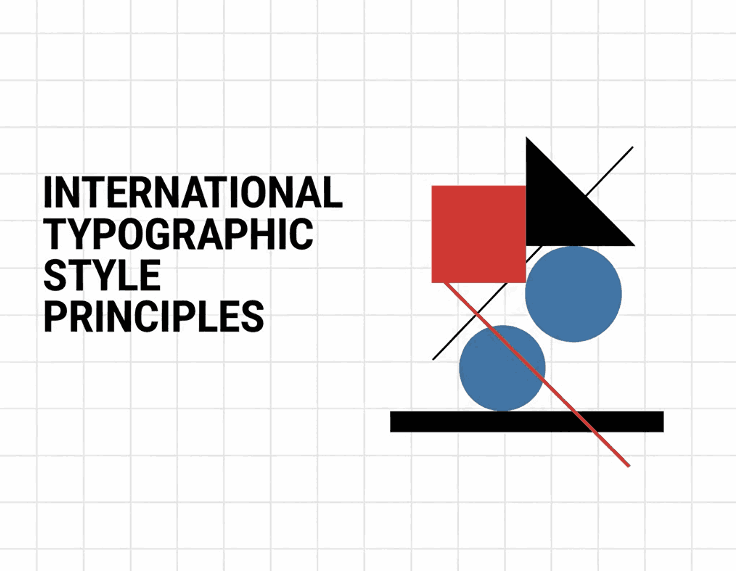
International Typographic Style Principles

2. Origins of Swiss Graphic Design

Swiss Style was heavily influenced by:

  • Bauhaus principles
  • Constructivist art
  • Modernist architecture

Designers like Josef Müller-Brockmann and Max Miedinger emphasized grid systems, sans-serif typography, and asymmetrical layouts. Their work established rules that are still taught in design education today.

3. Core of International Typographic Style Principles

Understanding International Typographic Style principles starts with these fundamentals:

Clarity Above All

Design exists to communicate—not decorate. Every element must serve a purpose.

Asymmetrical Layouts

Instead of centered designs, Swiss Style favors dynamic, asymmetrical compositions guided by grids.

Limited Color Palettes

Designs often use black, white, and one accent color to maintain focus and consistency.

Objective Visual Language

The style avoids emotional excess, focusing instead on universal communication.

4. International Typographic Style Principles Rules in Swiss Design

Typography is the backbone of International Style design.

Key typographic characteristics include:

  • Sans serif fonts for neutrality
  • Consistent spacing and alignment
  • Strong hierarchy using size and weight
  • Minimal use of decorative typefaces

While classic Swiss typography relied on fonts like Helvetica or Univers, modern designers can apply the same principles using contemporary sans serif and clean display fonts.

5. Layout, Grid Systems, and White Space

The grid system is one of the most important Swiss design innovations. It helps designers:

  • Maintain consistency
  • Align text and visuals
  • Create visual rhythm

White space (or negative space) is equally important. Rather than filling every area, Swiss design allows layouts to breathe—improving readability and focus.

International Typographic Style Principles

6. Font Mockup Examples Using International Typographic Style Principles

Here are modern font examples from CalligraphyFonts.net that work well with International Typographic Style principles:

Ravenously Font

A modern sans serif font with strong structure and clarity—perfect for headlines and layouts that rely on grid systems.

Healing Time Font

Clean, functional, and highly readable, this font fits perfectly into Swiss-inspired editorial and UI layouts.

Dreamy Lanie Font

A minimal sans serif display font suitable for titles and large text blocks while maintaining Swiss design discipline.

Madame Grettha Font

An elegant, restrained font ideal for editorial layouts where clarity and refinement are essential.

These fonts show how modern typefaces can still respect Swiss principles while feeling contemporary.

7. Why International Typographic Style Principles Still Matters Today

Even decades later, International Typographic Style principles remain relevant because they:

  • Improve usability and readability
  • Work seamlessly in digital environments
  • Support responsive and UI design
  • Create timeless visual systems

Many modern design systems—especially in tech and corporate branding—are built on Swiss foundations.
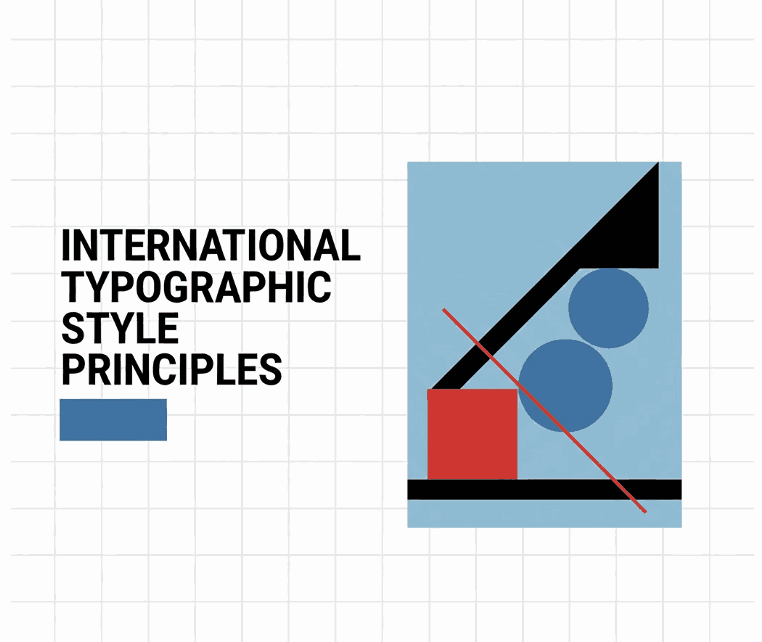
International Typographic Style Principles

8. Final Thoughts International Typographic Style Principles

The International Typographic Style is more than a historical movement—it’s a design philosophy centered on clarity, structure, and purpose. By understanding and applying its principles, designers can create work that feels timeless, professional, and universally readable.

With modern fonts from CalligraphyFonts.net, you can apply Swiss design principles to contemporary projects without sacrificing personality or flexibility.

References

Posted on

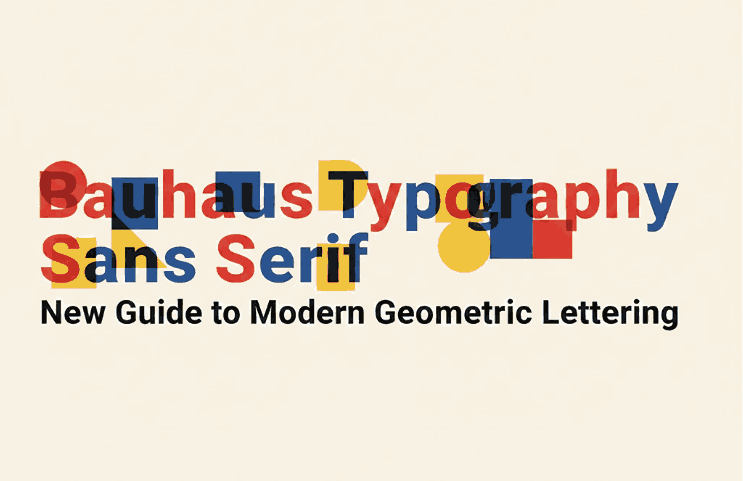
Bauhaus Typography Sans Serif: New Guide to Modern Geometric Lettering

Bauhaus Typography Sans Serif

Table of Contents

  1. Introduction
  2. What Is Bauhaus Typography?
  3. Key Characteristics of Bauhaus Sans Serif Fonts
  4. Why Bauhaus Typography Matters in Modern Design
  5. Best Uses for Bauhaus-Inspired Sans Serif Fonts
  6. Recommended Bauhaus-Style Fonts from CalligraphyFonts.net
  7. How to Use Bauhaus Typography Effectively
  8. Conclusion
  9. References

1. Introduction Bauhaus Typography Sans Serif

Bauhaus Typography Sans Serif has become a timeless design movement—one that continues to influence modern branding, advertising, posters, packaging, UI design, and more. Its minimalist, geometric, and functional style is widely used by designers who want to achieve a clean yet visually striking aesthetic.

In this guide, we will explore Bauhaus Typography Sans Serif, its essential design principles, and how you can apply this style to modern creative projects. Additionally, you’ll find curated font recommendations from CalligraphyFonts.net to help you bring Bauhaus-inspired visuals to life.

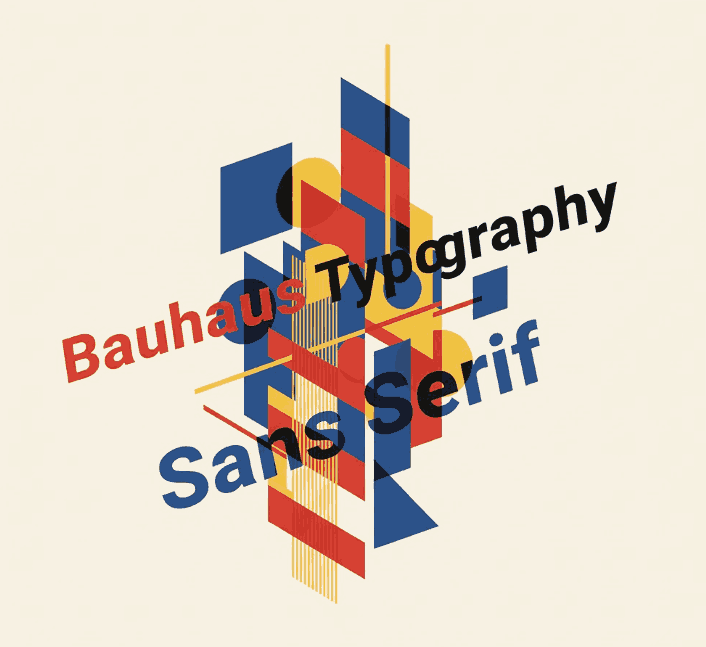
Bauhaus Typography Sans Serif

2. What Is Bauhaus Typography Sans Serif?

Bauhaus typography originated from the Bauhaus School of Design (1919–1933) in Germany. The movement emphasized simplicity, function, geometry, and modernism.

At its core, Bauhaus typography eliminates unnecessary decoration and focuses on pure form.

Major principles include:

  • Function over ornamentation
  • Geometric shapes (circles, squares, triangles)
  • Clear hierarchy and readability
  • Bold use of negative space
  • Sans serif letterforms that represent purity and modern thinking

This approach transformed typography across the world and became a foundation for modern graphic design.

3. Key Characteristics of Bauhaus Typography Sans Serif Fonts

Bauhaus sans serif fonts typically share these features:

Geometric Construction

Letters rely on basic shapes such as circles and straight lines. This leads to a clean and harmonious structure.

Minimalist Strokes

Bauhaus typography avoids excessive curves or decorative elements, opting for consistent stroke width.

High Legibility

Due to their simplicity and structural clarity, Bauhaus sans serif fonts remain readable even at small sizes.

Modern Appeal

Although created in the early 20th century, the style feels futuristic and contemporary—making it versatile for modern branding.

Bold and Confident

Many Bauhaus designs use thick, confident strokes to enhance visibility and create a strong visual identity.

4. Why Bauhaus Typography Sans Serif Matters in Modern Design

Even after 100 years, Bauhaus typography continues to dominate modern design trends. Here’s why:

A. Universality

Its clean geometric shapes make it suitable for various industries—technology, fashion, architecture, publishing, and more.

B. Timeless Aesthetic

Designers love Bauhaus fonts because they look modern regardless of era or medium.

C. Visual Balance

Its mathematical structure creates balanced compositions, ideal for logos, posters, and editorial layouts.

D. Versatility

Bauhaus sans serif fonts work across digital and print media, from websites to packaging design.

5. Best Uses for Inspired Bauhaus Typography Sans Serif Fonts

You can apply Bauhaus typography in many design projects, including:

  • Corporate branding and identity
  • Minimalist logo design
  • Posters & editorial design
  • Retro-modern artwork
  • Product packaging
  • Architectural and interior design presentations
  • Website & UI/UX layouts
  • Social media graphics
  • Tech-based marketing campaigns

The clean and geometric style helps create a strong, memorable, and modern impression.

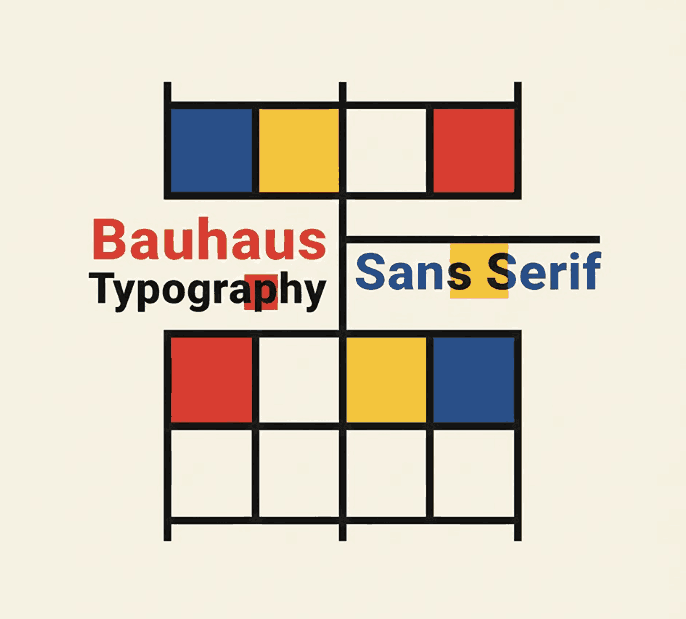
Bauhaus Typography Sans Serif

6. Recommended Bauhaus Typography Sans Serif from CalligraphyFonts.net

To help you apply Bauhaus-style typography in your projects, here are curated fonts from CalligraphyFonts.net that align with Bauhaus principles:

1. Pictorial Style Font

A clean display sans serif with sharp lines and modern aesthetics—perfect for minimal posters, logos, and editorial layouts.

Why It Works for Bauhaus Typography Sans Serif Style:

  • Geometric foundations
  • Bold, modern appearance
  • Excellent for impactful headlines

2. Faint Green Font

A modern sans serif that balances simplicity and personality, ideal for branding, product packaging, and clean layout designs.

Why It Works for Bauhaus Typography Sans Serif Style:

  • Minimalist character structure
  • Smooth readability
  • Works well for body text & titles

3. Kawaguchi Font

A structured, futuristic sans serif font inspired by geometric shapes. Suitable for tech branding, architecture portfolios, and modern advertisements.

Why It Works for Bauhaus Typography Sans Serif Style:

  • Strong geometric influence
  • Futuristic yet functional look
  • Clear letterforms and balance

4. Overcame Font

Bold, straightforward, and minimal—Overcame is perfect for expressive modern layouts, poster designs, and identity systems.

Why It Works for Bauhaus Typography Sans Serif Style:

  • Clean lines
  • High visual impact
  • Ideal for headlines and large typography

7. How to Use Bauhaus Typography Sans Serif Effectively

A. Use Lots of White Space

Bauhaus design thrives on open composition. Give typography room to breathe.

B. Pair with Simple Shapes

Geometric shapes like circles or rectangles reinforce the Bauhaus spirit.

C. Avoid Too Many Fonts

Use 1–2 Bauhaus-style sans serif fonts to maintain consistency.

D. Maintain Alignment

Use grid systems for layout and text structure.

E. Combine with Bold Colors

Red, yellow, blue, and black are classic Bauhaus color palettes.

F. Keep It Functional

Every typographic choice should serve a purpose—clarity comes first.

8. Conclusion Bauhaus Typography Sans Serif

Bauhaus Typography Sans Serif remains one of the most influential styles in modern design. Its geometric beauty, functional nature, and minimalist elegance make it an excellent choice for branding, posters, websites, and creative layouts.

With the curated font recommendations from CalligraphyFonts.net, you can bring the timeless Bauhaus aesthetic into your projects while maintaining a strong, professional visual identity.

9. References Bauhaus Typography Sans Serif

Posted on

Types of Font Styles in Graphic Design (Full Guide

Types of Font Styles in Graphic Design (Full Guide

Table of Contents

  1. Introduction
  2. Why Font Styles Matter in Graphic Design
  3. The 5 Main Types of Font Styles
    • 3.1 Serif Fonts
    • 3.2 Sans Serif Fonts
    • 3.3 Script Fonts
    • 3.4 Display Fonts
    • 3.5 Decorative Fonts
  4. How to Choose the Right Font for Your Design
  5. Examples of Professional Fonts You Can Use
  6. Conclusion

1. Introduction

Typography plays a crucial role in graphic design. Fonts are more than just letters; they convey mood, brand identity, and emotions. Choosing the right font can elevate your design and make it stand out. In this article, we’ll explore the types of font styles in graphic design, their unique characteristics, and how you can use them effectively in your projects.

2. Why Font Styles Matter in Graphic Design

Fonts influence how people perceive your message. A bold display font grabs attention, while a script font adds elegance. According to Adobe, typography directly impacts brand recognition and user experience. That’s why every designer should understand the different types of font styles and their applications.

Understanding different font styles in graphic design is essential for every designer.


Types of Font Styles in Graphic Design (Full Guide 1

3. The 5 Main Types of Font Styles

3.1 Serif Fonts

Serif fonts have small strokes or “feet” at the ends of letters. They are considered traditional, elegant, and trustworthy—perfect for branding, books, and professional documents.

Examples:

  • Times New Roman
  • Georgia

Explore a handcrafted serif option here: John Mike

3.2 Sans Serif Fonts

Sans serif fonts are clean and modern, with no extra strokes. They’re widely used in digital media and tech companies because they look minimal and easy to read.

Examples:

  • Helvetica
  • Arial

Check out our modern sans serif design: Faint Green Font

3.3 Script Fonts

Script fonts mimic handwriting or calligraphy, giving your design a personal and creative touch. They’re great for wedding invitations, branding, and artistic projects.

Examples:

  • Brush Script
  • Pacifico

Try our handcrafted script font: Hannalie Kaelani Font

3.4 Display Fonts

Display fonts are bold, decorative, and designed to grab attention. They’re ideal for headlines, posters, and logos.

Examples:

  • Impact
  • Bebas Neue

Unique option for display projects: Mode Center Font

3.5 Decorative Fonts

Decorative fonts push creativity to the extreme. They’re perfect for projects that require uniqueness and personality but should be used sparingly.

Examples:

  • Jokerman
  • Curlz MT

Add creativity to your design: Stick Note


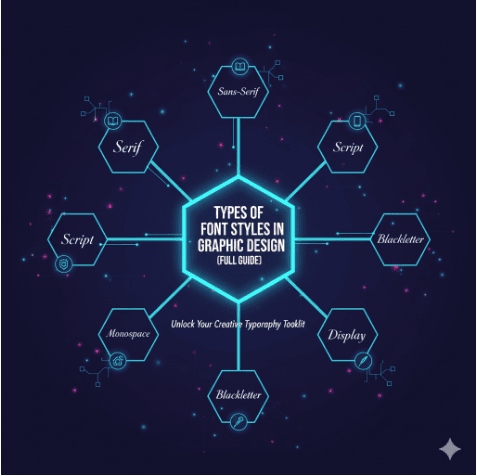
Types of Font Styles in Graphic Design (Full Guide 2

4. How to Choose the Right Font for Your Design

When selecting a font, ask yourself:

  • Who is my target audience?
  • What emotions do I want to convey?
  • Will this font be readable across different platforms?

Mixing and matching fonts can also create balance—using a serif for headlines and a sans serif for body text, for example.

5. Examples of Professional Fonts You Can Use

Here are some font families you can explore for your next design project:

6. Conclusion

Understanding the types of font styles in graphic design is essential for creating professional, engaging, and memorable visuals. Whether you choose serif for elegance, sans serif for clarity, or script for creativity, the right font can elevate your design.

Explore more premium handcrafted fonts at CalligraphyFonts.net to bring your next project to life.