
Posted on

Minimalist Negative Space Logos: The Ultimate Guide for Modern Branding

Minimalist Negative Space Logos

Table of Contents

  1. What Are Minimalist Negative Space Logos?
  2. Why Negative Space Logos Are So Effective
  3. Key Principles Behind Minimalist Logo Design
  4. Techniques for Creating Negative Space Logos
  5. Common Mistakes to Avoid
  6. Best Font Recommendations from CalligraphyFonts.net
  7. Final Thoughts
  8. References

1. What Are Minimalist Negative Space Logos?

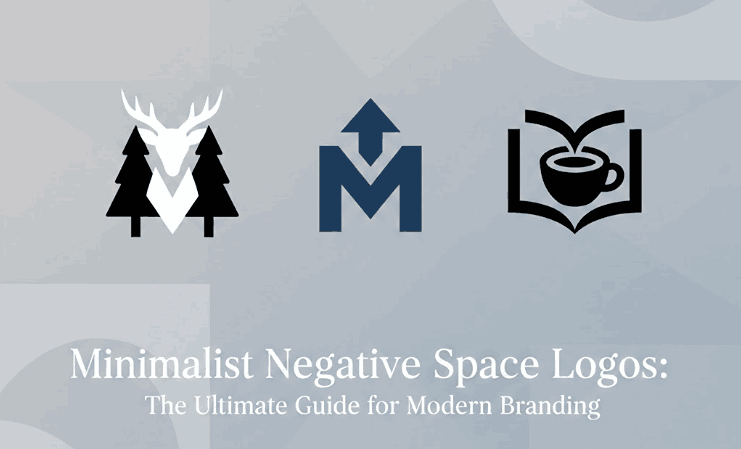
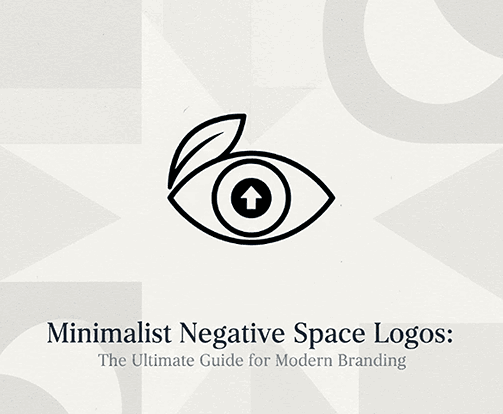
Minimalist Negative Space Logos is a logo design that uses the empty areas between or inside shapes to create a secondary meaning, symbol, or visual message. This design technique creates powerful, clever, and memorable branding while keeping the visual style extremely clean and simple.

Negative space logos gained significant popularity due to their ability to deliver double meaning, strong symbolism, and visual elegance without relying on complex illustrations or decorative elements.

Brands today gravitate toward minimalist logos because:

  • They look modern
  • They scale beautifully on digital and print media
  • They remain timeless and easy to recognize
  • They support simple, universal branding

Negative space design amplifies this minimalism by adding depth and visual intelligence to what seems like a simple logo at first glance.
Minimalist Negative Space Logos

2. Why Minimalist Negative Space Logos Are So Effective

A. They Improve Visual Memory & Brand Recall

The human brain loves solving visual puzzles. When people recognize the “hidden message” inside a negative space logo, it creates a moment of discovery that increases memorability.

According to the Interaction Design Foundation, humans process visuals 60,000x faster than text—making clever design more impactful.

B. They Deliver Simplicity With Depth

A minimalist negative space logo can communicate two ideas simultaneously, helping brands tell a fuller story with fewer graphic elements.

C. They Work Across All Mediums

From business cards to billboards, negative space logos remain sharp and recognizable because they do not rely on color or complex details.

D. They Communicate Professionalism

Minimalist design signals clarity, confidence, and modernity—key qualities for brands in 2025 and beyond.

3. Key Principles Behind Minimalist Negative Space Logos

Before creating a negative space logo, designers must understand the fundamentals of minimalism:

1. Simplicity Over Decoration

A minimalist logo removes anything unnecessary. Each line, shape, and curve must serve a purpose.

2. High Readability Minimalist Negative Space Logos

Even with hidden elements, the main form of the logo must be instantly recognizable.

3. Balanced Composition Minimalist Negative Space Logos

Spacing, alignment, and weight matter more in minimal logos because there are fewer visual cues to stabilize the design.

4. Optimal Use of White Minimalist Negative Space Logos

White space should not feel empty—it should feel intentional and meaningful.

5. Timelessness Minimalist Negative Space Logos

Minimalist logos aim to look relevant for 10–20 years, not just follow trends temporarily.

4. Techniques for Creating Minimalist Negative Space Logos

Below are the most effective methods for designing minimalist negative space logos:

1. Integrated Shapes

Merging two symbols by sharing borders or outlines—allowing one form to naturally create space for another.

2. Hidden Imagery

Placing symbolic shapes within the letters or icons using carved-out negative space.

Example:
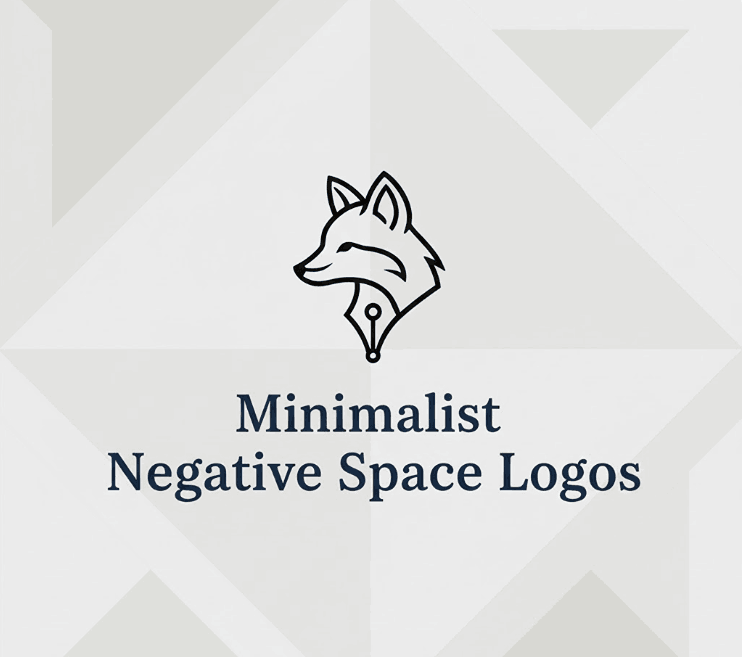
An arrow inside the letter “E”, or an animal silhouette inside geometric shapes.

3. Overlapping Elements

Layering shapes in a way that creates subtle inner forms without adding clutter.

4. Letterform Manipulation

Adjusting strokes, spacing, or gaps within typography to reveal a secondary image.

5. Symmetry & Mirroring

Using symmetrical forms makes it easier to insert hidden shapes that feel natural.

6. Subtractive Design

Removing certain parts of a letter or shape to allow the surrounding empty area to become meaningful.
Minimalist Negative Space Logos

5. Common Mistakes to Avoid Minimalist Negative Space Logos

❌ Overcomplicating the Hidden Image

The biggest error is creating a hidden symbol that is too detailed or hard to recognize.

❌ Poor Typography Choices

Complex fonts make negative space logos difficult to read. Clean lines are essential.

❌ Weak Contrast

Negative space only works if the viewer can clearly distinguish the filled and empty areas.

❌ Forcing the Concept

Not every logo needs a hidden image. Only add negative space when it fits naturally.

❌ Ignoring Scalability

Logos must work at all sizes—especially at small resolutions on mobile screens.

6. Best Font Minimalist Negative Space Logos Recommendations from CalligraphyFonts.net

Typography is one of the most important components of negative space logo design. Minimalist logos rely on clarity and shape definition, and choosing the right font will elevate or weaken your entire design.

Below are top recommendations from CalligraphyFonts.net, perfect for minimalist and negative space branding:

1. Ballerinas Font

A clean, modern script with fluid strokes—perfect for elegant minimalist logo concepts that require a balanced flow.

2. Faint Green Font

A simple, readable, and modern sans-serif ideal for clean-cut minimalist logos and geometric compositions.

3. Healing Time Font

Smooth, gentle, and modern—ideal for minimalist logos in beauty, wellness, or lifestyle brands.

4. Pictorial Style Font

A contemporary and clean sans-serif display font perfect for tight spacing and negative space manipulation.

7. Final Thoughts Minimalist Negative Space Logos

Minimalist negative space logos remain one of the most intelligent and visually appealing trends in modern branding. Their ability to combine simplicity with symbolism allows brands to communicate depth while staying clean and timeless.

As designers continue to move toward scalable, digital-first branding, negative space techniques will only grow in demand.

With the right typography—such as curated fonts from CalligraphyFonts.net—you can craft logos that feel elegant, clever, and memorable.

Mastering this technique will elevate your work and help brands stand out with powerful visual storytelling.

8. References Minimalist Negative Space Logos

Posted on

Food Packaging Color Ideas: How to Choose the Perfect Palette for Your Brand 2025

Food Packaging Color Ideas

Table of Contents

  1. Introduction
  2. Why Colors Matter in Food Packaging
  3. The Psychology of Colors in Food Branding
  4. Popular Color Palettes for Food Packaging
  5. How to Choose the Best Color Combination for Your Food Product
  6. Font Recommendations for Food Packaging Designs
  7. Practical Tips to Strengthen Your Packaging Identity
  8. Conclusion
  9. References

1. Introduction

Food Packaging Color Ideas In the competitive industry, packaging plays a critical role in attracting customers and communicating your brand message. Colors are one of the strongest visual elements that influence perception, emotions, and purchasing decisions. This is why exploring Food Packaging Color is essential for creating packaging that stands out on store shelves, e-commerce listings, and social media.

In this article, we will explore the psychology behind colors, the most effective palettes for different types of food products, and practical tips for selecting the right colors for your own brand. We will also recommend several font styles from CalligraphyFonts.net that complement various food packaging themes.

Food Packaging Color Ideas

2. Why Colors Matter in Food Packaging Color Ideas

Color does more than simply make packaging look attractive—it conveys meaning and helps customers make decisions quickly. Studies in consumer psychology show that customers can form a judgment about your product within only a few seconds, and color is one of the main contributors to this snap decision.

Colors help communicate:

  • Flavor expectations
  • Freshness and quality
  • Target audience (children, adults, health-conscious buyers)
  • Brand personality
  • Product category (organic, gourmet, snack, beverages)

When done correctly, colors increase recognition, trust, and customer engagement.

3. The Psychology of Food Packaging Color Ideas in Branding

Here are some commonly used colors and the emotions or messages they create in food packaging:

Red Food Packaging Color Ideas

Associated with energy and appetite stimulation. Often used for snacks or fast food products.

Yellow Food Packaging Color Ideas

Creates warmth, friendliness, and attention. Great for children’s snacks or cheerful food branding.

Green Food Packaging Color Ideas

Represents freshness, health, and organic ingredients. Works well for vegan, healthy, or natural products.

Brown Food Packaging Color Ideas

Communicates warmth, coffee, bakery, chocolate, and earthy flavors. Ideal for artisanal and handmade products.

Blue Food Packaging Color Ideas

Often used for beverages or refreshing products. Also conveys trust and reliability.

Orange Food Packaging Color Ideas

Energetic, fun, and appetizing. Common in juice, snacks, or fruity products.

Black & White Food Packaging Color Ideas

Clean, premium, and modern — widely used for gourmet or luxury food brands.

Understanding color psychology helps you select a palette that matches your product category and audience.

4. Popular Palettes for Food Packaging Color Ideas

1. Fresh & Healthy Palette

  • Light green, leaf green, beige
  • Perfect for organic products, salad bowls, plant-based foods

2. Sweet & Dessert Palette

  • Pink, cream, soft brown, chocolate
  • Works for bakery goods, dessert drinks, snacks

3. Kids’ Snack Palette

  • Bright yellow, orange, red, playful purple
  • Appeals to young audiences and conveys fun

4. Bold & Spicy Palette

  • Deep red, black, metallic gold
  • Ideal for spicy sauces or bold-flavored snacks

5. Minimalist Premium Palette

  • White, charcoal, gold accents
  • Suitable for gourmet foods, specialty products, and premium beverages

Your color palette should visually represent your product’s personality and flavor profile.

Food Packaging Color Ideas

5. How to Choose the Best Color Combination for Your Food Product

Here are practical steps to create the right color combination:

1. Identify Your Product’s Flavor or Category

Different flavors correlate with specific colors—green for mint or organic, red for spicy, brown for chocolate.

2. Analyze Your Target Audience

Children prefer bright colors; adults may prefer clean and modern palettes.

3. Research Market Competitors

Look for trends in your category and identify ways to differentiate while staying familiar.

4. Consider Psychological Impact

Choose colors that evoke the feelings you want customers to associate with the product.

5. Test Multiple Mockups

Visual testing ensures your packaging is both attractive and readable at various sizes and distances.

6. Font Recommendations for Food Packaging Color Ideas Designs

Typography is just as important as color. The right font enhances your brand’s personality and reinforces flavor cues.

Here are recommended fonts from CalligraphyFonts.net for this article:

1. Mango Bite Font

A playful and tasty-looking font that is perfect for juicy, fruity, or snack packaging.

2. Gummy Candy Font

Cute, rounded, and energetic — ideal for candy, kids’ snacks, or colorful food packaging.

3. Avocado Diet Font

Clean, healthy, and modern. Excellent for food products targeting wellness and organic markets.

4. Caramel Pizza Font

Warm, bold, and delicious. Perfect for bakery, pizza, dessert shops, and artisanal products.

These fonts help enhance the packaging identity and make the product more memorable.

7. Practical Tips to Strengthen Your Food Packaging Color Ideas Identity

✔ Use contrast to ensure readability
✔ Keep your palette limited to 2–4 main colors
✔ Maintain consistency across packaging variations
✔ Ensure the colors match digital and print versions
✔ Combine typography + color strategically
✔ Use mockups to test shelf visibility

8. Conclusion Food Packaging Color Ideas

Choosing the right Food Packaging Color Ideas helps elevate your product branding and influences how customers perceive taste, quality, and value. With the right color psychology, a thoughtful palette, and well-chosen typography, your packaging can stand out visually and emotionally.

By pairing strong color choices with carefully selected fonts, such as Mango Bite, Gummy Candy, Avocado Diet, and Caramel Pizza, your food packaging design can become more engaging and impactful.

9. References

  1. Canva – Choosing Colors for Branding
  2. 99Designs – Food Packaging Design Tips
  3. Packaging of the World – Food Packaging Inspiration
  4. Din Studio – Color Combination Ideas for your Food Business