Posted on

Food Packaging Color Ideas: How to Choose the Perfect Palette for Your Brand 2025

Food Packaging Color Ideas

Table of Contents

  1. Introduction
  2. Why Colors Matter in Food Packaging
  3. The Psychology of Colors in Food Branding
  4. Popular Color Palettes for Food Packaging
  5. How to Choose the Best Color Combination for Your Food Product
  6. Font Recommendations for Food Packaging Designs
  7. Practical Tips to Strengthen Your Packaging Identity
  8. Conclusion
  9. References

1. Introduction

Food Packaging Color Ideas In the competitive industry, packaging plays a critical role in attracting customers and communicating your brand message. Colors are one of the strongest visual elements that influence perception, emotions, and purchasing decisions. This is why exploring Food Packaging Color is essential for creating packaging that stands out on store shelves, e-commerce listings, and social media.

In this article, we will explore the psychology behind colors, the most effective palettes for different types of food products, and practical tips for selecting the right colors for your own brand. We will also recommend several font styles from CalligraphyFonts.net that complement various food packaging themes.

Food Packaging Color Ideas

2. Why Colors Matter in Food Packaging Color Ideas

Color does more than simply make packaging look attractive—it conveys meaning and helps customers make decisions quickly. Studies in consumer psychology show that customers can form a judgment about your product within only a few seconds, and color is one of the main contributors to this snap decision.

Colors help communicate:

  • Flavor expectations
  • Freshness and quality
  • Target audience (children, adults, health-conscious buyers)
  • Brand personality
  • Product category (organic, gourmet, snack, beverages)

When done correctly, colors increase recognition, trust, and customer engagement.

3. The Psychology of Food Packaging Color Ideas in Branding

Here are some commonly used colors and the emotions or messages they create in food packaging:

Red Food Packaging Color Ideas

Associated with energy and appetite stimulation. Often used for snacks or fast food products.

Yellow Food Packaging Color Ideas

Creates warmth, friendliness, and attention. Great for children’s snacks or cheerful food branding.

Green Food Packaging Color Ideas

Represents freshness, health, and organic ingredients. Works well for vegan, healthy, or natural products.

Brown Food Packaging Color Ideas

Communicates warmth, coffee, bakery, chocolate, and earthy flavors. Ideal for artisanal and handmade products.

Blue Food Packaging Color Ideas

Often used for beverages or refreshing products. Also conveys trust and reliability.

Orange Food Packaging Color Ideas

Energetic, fun, and appetizing. Common in juice, snacks, or fruity products.

Black & White Food Packaging Color Ideas

Clean, premium, and modern — widely used for gourmet or luxury food brands.

Understanding color psychology helps you select a palette that matches your product category and audience.

4. Popular Palettes for Food Packaging Color Ideas

1. Fresh & Healthy Palette

  • Light green, leaf green, beige
  • Perfect for organic products, salad bowls, plant-based foods

2. Sweet & Dessert Palette

  • Pink, cream, soft brown, chocolate
  • Works for bakery goods, dessert drinks, snacks

3. Kids’ Snack Palette

  • Bright yellow, orange, red, playful purple
  • Appeals to young audiences and conveys fun

4. Bold & Spicy Palette

  • Deep red, black, metallic gold
  • Ideal for spicy sauces or bold-flavored snacks

5. Minimalist Premium Palette

  • White, charcoal, gold accents
  • Suitable for gourmet foods, specialty products, and premium beverages

Your color palette should visually represent your product’s personality and flavor profile.

Food Packaging Color Ideas

5. How to Choose the Best Color Combination for Your Food Product

Here are practical steps to create the right color combination:

1. Identify Your Product’s Flavor or Category

Different flavors correlate with specific colors—green for mint or organic, red for spicy, brown for chocolate.

2. Analyze Your Target Audience

Children prefer bright colors; adults may prefer clean and modern palettes.

3. Research Market Competitors

Look for trends in your category and identify ways to differentiate while staying familiar.

4. Consider Psychological Impact

Choose colors that evoke the feelings you want customers to associate with the product.

5. Test Multiple Mockups

Visual testing ensures your packaging is both attractive and readable at various sizes and distances.

6. Font Recommendations for Food Packaging Color Ideas Designs

Typography is just as important as color. The right font enhances your brand’s personality and reinforces flavor cues.

Here are recommended fonts from CalligraphyFonts.net for this article:

1. Mango Bite Font

A playful and tasty-looking font that is perfect for juicy, fruity, or snack packaging.

2. Gummy Candy Font

Cute, rounded, and energetic — ideal for candy, kids’ snacks, or colorful food packaging.

3. Avocado Diet Font

Clean, healthy, and modern. Excellent for food products targeting wellness and organic markets.

4. Caramel Pizza Font

Warm, bold, and delicious. Perfect for bakery, pizza, dessert shops, and artisanal products.

These fonts help enhance the packaging identity and make the product more memorable.

7. Practical Tips to Strengthen Your Food Packaging Color Ideas Identity

✔ Use contrast to ensure readability
✔ Keep your palette limited to 2–4 main colors
✔ Maintain consistency across packaging variations
✔ Ensure the colors match digital and print versions
✔ Combine typography + color strategically
✔ Use mockups to test shelf visibility

8. Conclusion Food Packaging Color Ideas

Choosing the right Food Packaging Color Ideas helps elevate your product branding and influences how customers perceive taste, quality, and value. With the right color psychology, a thoughtful palette, and well-chosen typography, your packaging can stand out visually and emotionally.

By pairing strong color choices with carefully selected fonts, such as Mango Bite, Gummy Candy, Avocado Diet, and Caramel Pizza, your food packaging design can become more engaging and impactful.

9. References

  1. Canva – Choosing Colors for Branding
  2. 99Designs – Food Packaging Design Tips
  3. Packaging of the World – Food Packaging Inspiration
  4. Din Studio – Color Combination Ideas for your Food Business
Posted on

Color Theory for Beginners: New Guide to Understanding Colors in Design

Color Theory for Beginners

Table of Contents

  1. Introduction: Why Color Theory Matters in Design
  2. The Basics of Color Theory
    • The Color Wheel
    • Primary, Secondary, and Tertiary Colors
  3. Understanding Color Harmony
    • Complementary Colors
    • Analogous Colors
    • Triadic and Monochromatic Schemes
  4. The Psychology of Colors
  5. How to Choose the Right Color Palette
  6. Applying Color Theory in Graphic and Font Design
  7. Recommended Fonts for Color-Based Design Projects
  8. Conclusion
  9. References

1. Introduction: Why Color Theory Matters in Design

Color Theory for Beginners is one of the most powerful tools in design. It influences perception, evokes emotion, and helps convey brand identity. For beginners, understanding color theory is the first step to mastering visual communication. Whether you’re designing logos, websites, or typography art, color choices determine how your message resonates with the audience.

Color Theory for Beginners

2. The Basics of Color Theory for Beginners

Color theory is a framework that explains how colors interact with one another. It combines artistic principles and scientific understanding to help designers create visually balanced and appealing compositions.

The Color Wheel

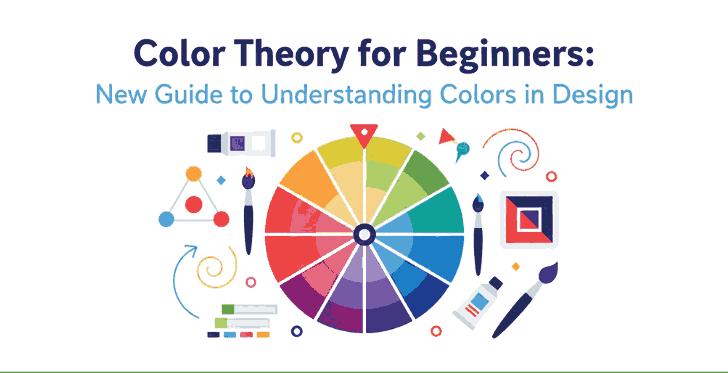
At the heart of color theory lies the color wheel, a circular chart that shows the relationships between colors. It includes primary, secondary, and tertiary colors.

  • Primary colors: Red, Blue, and Yellow — cannot be created by mixing other colors.
  • Secondary colors: Green, Orange, and Purple — formed by mixing two primary colors.
  • Tertiary colors: Created by mixing a primary and a secondary color (e.g., Blue-Green, Red-Orange).

This wheel helps designers easily identify complementary or harmonious color combinations.

3. Understanding Color Theory for Beginners Harmony

Color harmony is the visual balance achieved when colors are combined effectively. It ensures your designs feel cohesive and pleasing to the eye.

Complementary Color Theory for Beginners

Colors that sit opposite each other on the color wheel (e.g., blue and orange). This combination creates strong contrast and high visual energy.

Analogous Color Theory for Beginners

These are colors that sit next to each other (e.g., yellow, yellow-green, and green). They produce a smooth and harmonious effect—perfect for calm and natural designs.

Triadic and Monochromatic Schemes

Triadic schemes use three colors equally spaced around the wheel, while monochromatic schemes use variations of one hue with different values and saturations. Triadic palettes add vibrancy, while monochromatic palettes provide simplicity and elegance.

4. The Psychology of Color Theory for Beginners

Every color carries emotional and psychological associations. Here’s a quick guide to help beginners understand the psychological impact of colors:

  • Red: Passion, energy, and urgency.
  • Blue: Calmness, trust, and professionalism.
  • Yellow: Optimism and creativity.
  • Green: Nature, balance, and growth.
  • Purple: Luxury and sophistication.
  • Black & White: Simplicity and contrast—used to create clarity and focus.

Knowing these meanings helps designers choose colors that align with their brand’s message or design goal.

Color Theory for Beginners

5. How to Choose the Right Color Theory for Beginners

Choosing the perfect color palette can be challenging. Here are some quick tips for beginners:

  1. Start with your brand personality. Identify your brand’s tone—fun, elegant, minimalist, or bold.
  2. Use online tools. Platforms like Adobe Color or Coolors help generate color palettes easily.
  3. Maintain contrast for readability. When designing with fonts or text, ensure high contrast between text and background colors.
  4. Limit your palette. Three to five colors are usually enough for balanced design.

6. Applying Color Theory in Graphic and Font Design

Fonts and colors go hand in hand. The right combination can make your design stand out, while poor pairing can ruin even the best typography.
For example:

  • Warm colors (reds, oranges, yellows) work well with handwritten or bold script fonts, creating energy and excitement.
  • Cool colors (blues, greens) match perfectly with modern sans-serif fonts, giving a calm and professional vibe.

When using calligraphy fonts, balance is key — avoid overly bright combinations that can make the text hard to read.

7. Recommended Fonts for Color-Based Design Projects

Here are some beautiful font recommendations from CalligraphyFonts.net that complement your color-based designs perfectly:

  1. Holters Font – A clean, modern sans-serif perfect for minimalist color palettes and branding.
  2. Rutinitas Font – A casual handwritten style ideal for creative projects and colorful logos.
  3. Leathering Font – Elegant and luxurious, perfect for premium product packaging with soft or neutral tones.
  4. Anthonyela Calligraphy Font – Beautifully flowing calligraphy font that shines in pastel and elegant color schemes.

Try experimenting with these fonts and various color harmonies to see how different tones can transform your typography and overall design aesthetic.

8. Conclusion

Mastering color theory for beginners is not just about memorizing a color wheel — it’s about understanding how color influences perception and emotion. By applying the right combinations, you can elevate your designs, highlight your message, and attract more attention.
Combine your newfound color knowledge with high-quality fonts from CalligraphyFonts.net, and your design projects will instantly feel more cohesive, professional, and visually stunning.

9. References

Posted on

Brand Color Personality: How Colors Shape Your New Brand Identity

Brand Color Personality

Table of Contents

  1. Introduction: Why Color Isn’t Just Decoration
  2. What Is Brand Color Personality?
  3. How Colors Influence Consumer Perception
  4. Key Color–Personality Associations
  5. Choosing a Color Personality for Your Brand
  6. Applying Brand Color Personality in Typography & Fonts
  7. Font Mockup Examples from Your Collection
  8. Pitfalls & Cultural Considerations
  9. Tips to Test & Validate Your Brand Color Personality
  10. Conclusion & Call to Action
  11. References

1. Introduction: Why Color Isn’t Just Decoration

You’ve probably heard that “colors speak louder than words.” In branding, that’s more than a cliché—it’s a strategic truth. The colors you choose for your brand become a nonverbal language, signaling who you are and what you stand for to your audience. This is at the heart of brand color personality.

For a font business like yours, where visual identity is core, aligning your brand’s personality with color helps your fonts “feel right” in context, attract the right customers, and create stronger brand recall.

2. What Is Brand Color Personality?

Brand color personality refers to the emotional, psychological, and associative traits that a brand’s color palette communicates to the audience. It’s how colors express the “character” of a brand—whether it feels energetic, trustworthy, youthful, sophisticated, earthy, or whimsical.

It is grounded in color psychology, which studies how color influences human emotion, behavior, and perception. In branding, color is a powerful cue—studies show that up to 90% of first impressions can be formed based on color alone.

So choosing colors isn’t just aesthetic; it’s a strategic decision in aligning visual identity with brand values and messaging.

Brand Color Personality

3. How Colors Influence Consumer Perception

Colors influence perception in several interlocking ways:

  • Emotional associations: People often unconsciously connect colors with feelings (e.g. blue = calm/trust, red = energy/passion).
  • Cultural & contextual meaning: Interpretations of colors differ across cultures, industries, and usage context.
  • Recognition & recall: A consistent color palette builds memory linkage—customers start to associate that hue set with your brand.
  • Decision-making & behavior: Colors can influence what people pay attention to or how they perceive brand attributes like trust, sophistication, energy, or friendliness.

In short: your color choices help shape how your brand is felt and judged at a glance.

4. Key Color–Personality Associations

While these associations are not universal, here are commonly recognized linkages in branding:

  • Blue → Trust, stability, professionalism
  • Green → Nature, growth, harmony
  • Red → Excitement, urgency, passion
  • Yellow / Gold → Optimism, warmth
  • Orange → Creativity, friendliness
  • Purple → Luxury, imagination, spirituality
  • Black / Dark Neutrals → Elegance, sophistication
  • White / Light Neutrals → Simplicity, purity

Brands often pair a primary color with neutrals or accent colors to modulate their personality. (E.g. a tech brand might pair blue + gray + neon accent.)

A useful note: color psychology is nuanced and mediated by context, culture, and individual experience. No color guarantees one emotion.

5. Choosing a Your Brand Color Personality

Here’s a framework you can follow:

  1. Define your brand values, tone, and target audience
    What do you want people to feel when they see your brand? Bold? Warm? Premium? Creative?
  2. Map traits to colors
    Pick color(s) that best echo those traits. If your brand is “creative + grounded,” you might lean earthy greens + warm neutrals + one accent.
  3. Test harmony & contrast
    Ensure your palette is usable—text legibility, contrast, color combinations must work in practical use.
  4. Consider accent colors
    Use accent hues to introduce nuance, highlight, or signal interactive states.
  5. Stay consistent
    Apply your color personality across all brand assets—logo, website, social media, mockups, packaging.
  6. Be flexible to context
    Use variations or secondary palettes when needed, but keep primary identity stable.

By anchoring your color decisions in personality and consistency, you build stronger visual identity.

Brand Color Personality

6. Applying Brand Color Personality in Typography & Fonts

As a font designer/seller, your color personality should reflect (or harmonize with) your font style. Here’s how:

  • Font sample previews: Display your fonts on backgrounds that reflect your brand’s personality. Use your primary hue in a way that makes the font pop.
  • Mockup contexts: If your brand is rugged or bold, use earthy, textured palettes. If elegant or luxury, use dark neutrals or muted tones with accent highlights.
  • Font pairing examples: Show how two fonts work together with your brand palette—one in primary color, one in secondary.
  • Highlighting special glyphs or alternates: Use accent colors to draw attention to ligatures, alternates, or stylistic sets in demo visuals.

Your font visuals become not just product previews, but expressions of your brand’s color personality.

7. Font Mockup Examples from Your Collection

Here are some fonts in your catalog and how you might incorporate brand color personality in their mockups:

  • Rustte Font — Use warm rust, burnt orange, deep brown or olive tones to emphasize the rugged, expressive character of the font.
  • Holdsmith — Pair dark neutral or charcoal backgrounds with a bold accent (e.g. muted gold) to present a dignified and timeless personality.
  • Jungle Tribe Font — Use natural greens, earthy browns, and subtle accent colors (like warm ochre) to evoke jungle or organic brand themes.
  • Charima Sharene Font — Elegant, script‐style font might be showcased over soft pastels or muted jewel tones with metallic accents for a more premium aesthetic.

Make sure your mockups align visually with the personality your brand wants to communicate—don’t just randomly use colors.

8. Pitfalls & Cultural Considerations

  • Overgeneralizing color meaning: Color associations differ across cultures and individuals. What is soothing in one region may feel dull in another.
  • Ignoring contrast & legibility: Even the best palette fails if text is unreadable.
  • Trend chasing: Don’t change color personality too often just to follow trends; consistency builds recognition.
  • Clashing personalities: Be careful with secondary or accent hues—they shouldn’t muddy your core identity.
  • Assuming universal responses: Personal and cultural differences mediate how color is perceived.

Always test your color choices with your target audience.

9. Tips to Test & Validate Your Brand Color Personality

  • A/B testing: Present variations of mockups to small audience and see which palette gets better response.
  • Surveys / Feedback: Ask people what emotions or traits they perceive from your color choices.
  • Brand persona tests: Show your brand visuals (with colors) and ask participants to pick adjectives (e.g. “trusted,” “creative,” “bold”).
  • Contrast & accessibility tools: Use contrast checkers to ensure color combinations comply with readability standards.
  • Longitudinal consistency: Evaluate if the palette still feels appropriate as your brand grows or evolves across media.

Validation is key—color personality isn’t just what you like; it’s how your audience receives it.

10. Conclusion & Call to Action

Your brand color personality is a powerful tool: it communicates unspoken values, shapes emotional perception, and gives your brand a visual voice. For a font business, strong alignment between the style of your typefaces and your brand’s color persona is a competitive edge.

Next step: Choose one or two adjectives (e.g. “bold & grounded,” “elegant & creative”) and build a minimal palette (primary + accent + neutrals). Apply that palette across one font mockup and test audience reaction.

References

  • HubSpot — “Color Psychology: How To Use it in Marketing and Branding”
  • HelpScout — “Color Psychology in Marketing & Branding: Will It Always Work?”
  • BrandVM — “Brand Color Psychology: How Hues Influence Emotions and Behavior”
  • Insights in Marketing — “The Power of Color in Branding and Marketing”