Posted on

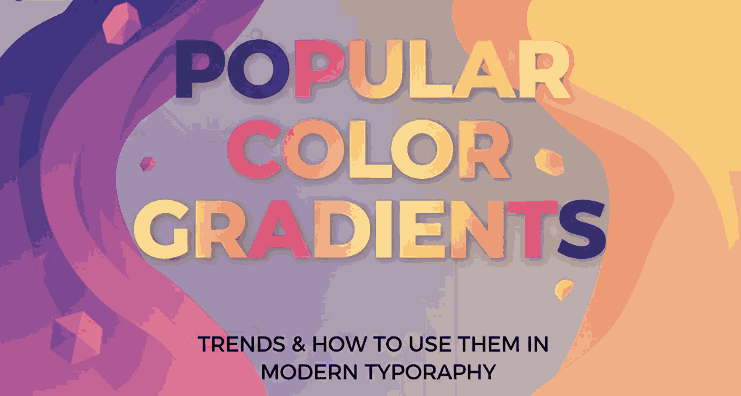
Popular Color Gradients: Trends & How to Use Them in Modern Typography

Popular Color Gradients

Table of Contents

  1. What Are Color Gradients?
  2. Why Color Gradients Are So Popular
  3. Types of Popular Color Gradients
  4. Trending Color Gradient Combinations
  5. Using Color Gradients in Typography
  6. Font Mockup Examples with Popular Color Gradients
  7. Tips for Choosing the Right Gradient for Your Design
  8. Final Thoughts

1. What Are Popular Color Gradients?

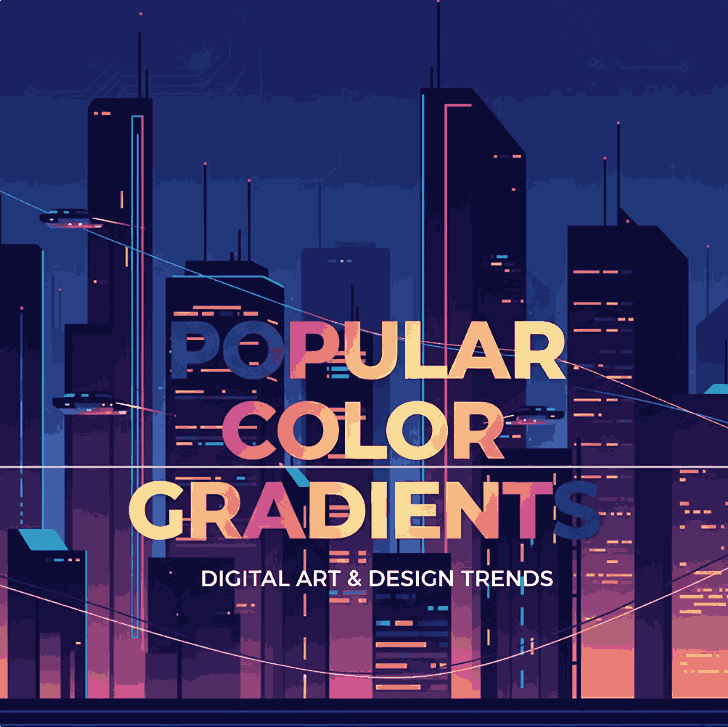
Popular Color Gradients is a gradual transition between two or more colors. Instead of a flat, solid tone, gradients blend hues smoothly to create depth and dimension. Designers use gradients to add realism, motion, and visual interest to digital and print designs.

There are several common gradient types:

  • Linear gradients (colors transition in a straight line)
  • Radial gradients (colors radiate from a central point)
  • Angular gradients (colors rotate around a center)
Popular Color Gradients

2. Why Are Popular Color Gradients

Color gradients are popular because they:

  • Create visual depth and hierarchy
  • Add a modern and dynamic feel
  • Evoke emotions and brand personality
  • Work well across web, social media, and print

In typography, gradients help text stand out, especially for headlines, logos, posters, and product mockups. When paired with expressive fonts, gradients enhance legibility while adding artistic flair.

3. Types of Popular Color Gradients

Soft Pastel Gradients

These gradients blend gentle hues like pink, lavender, mint, and baby blue. They are widely used in lifestyle branding, beauty products, and minimalist designs.

Vibrant Neon Gradients

Bold combinations such as purple-to-pink, blue-to-cyan, or orange-to-magenta are common in tech branding, music visuals, and creative portfolios.

Dark & Moody Gradients

Deep blues, blacks, purples, and reds create dramatic and luxurious moods. These gradients are perfect for premium branding and high-end typography.

Natural & Earthy Gradients

Inspired by nature, these gradients combine green, brown, sunset orange, and sky blue tones, making them ideal for eco-friendly and organic brands.

4. Popular Color Gradients Combinations

Some popular color gradient trends dominating modern design include:

  • Purple → Pink → Orange (creative & energetic)
  • Blue → Teal (clean & professional)
  • Gold → Amber → Brown (luxury & elegance)
  • Peach → Coral → Rose (friendly & modern)

These combinations work especially well when applied to large typographic elements like logos and hero headlines.

5. Using Popular Color Gradients in Typography

Typography is one of the most effective areas to apply gradients. However, balance is key. Here are some best practices:

  • Use gradients mainly on headlines or display text
  • Pair gradient text with neutral backgrounds
  • Choose fonts with smooth curves or bold strokes
  • Avoid overly complex gradients on small text

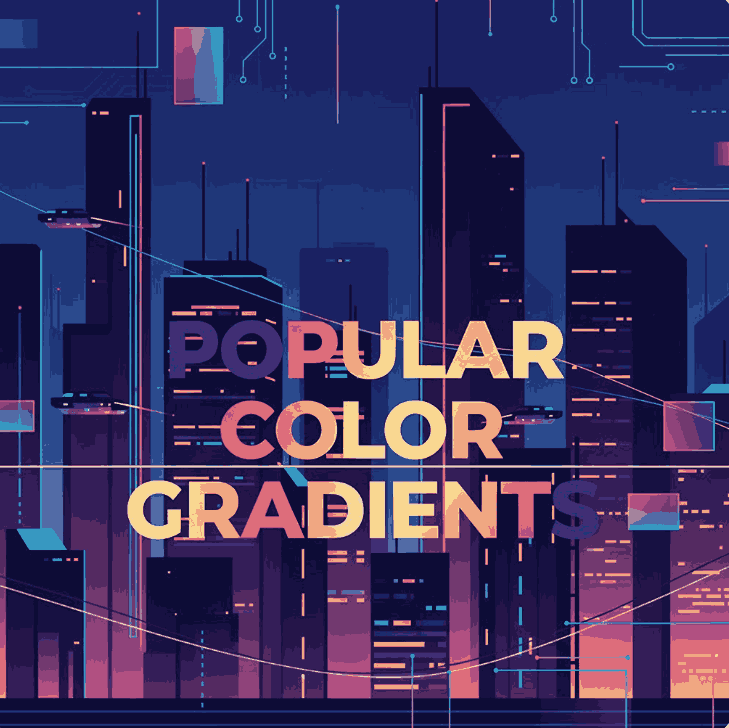
Script and calligraphy fonts are particularly suitable because their flowing forms allow gradients to transition naturally across letter shapes.
Popular Color Gradients

6. Font Mockup Examples with Popular Color Gradients

Here are some excellent font choices from CalligraphyFonts.net that work beautifully with popular color gradients:

Workday Font

A casual and friendly calligraphy font, perfect for pastel or warm gradients in lifestyle branding and social media designs.

Shimmer Gold Font

This elegant script font pairs perfectly with gold, amber, or dark luxury gradients, making it ideal for premium logos and product packaging.

Super Dreamer Font

A bold brush-style script font that shines with vibrant neon or sunset gradients, perfect for creative branding and posters.

Southeasterly Script Font

A dynamic and expressive script font that works well with dramatic and high-contrast gradients for branding and editorial designs.

Using these fonts in gradient-based mockups helps demonstrate how typography and color trends work together in real-world designs.

7. Tips for Choosing the Right Gradient for Your Design

  • Match the gradient mood with your brand identity
  • Test readability on different screen sizes
  • Use subtle gradients for professional designs
  • Reserve bold gradients for creative or promotional content
  • Always preview your gradient typography in real mockups

A good gradient should enhance your font—not overpower it.

8. Final Thoughts

Popular color gradients continue to shape modern design trends, especially in typography and branding. When used thoughtfully, gradients can elevate fonts, communicate emotion, and create memorable visuals.

By combining trending color gradients with expressive calligraphy fonts from CalligraphyFonts.net, designers can create typography that feels modern, artistic, and impactful. Whether you’re designing logos, posters, packaging, or digital content, gradients remain a powerful creative tool.

References

Posted on

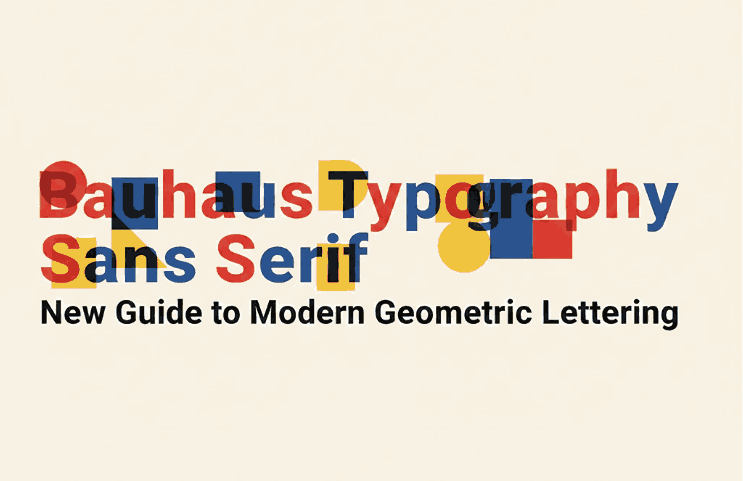
Bauhaus Typography Sans Serif: New Guide to Modern Geometric Lettering

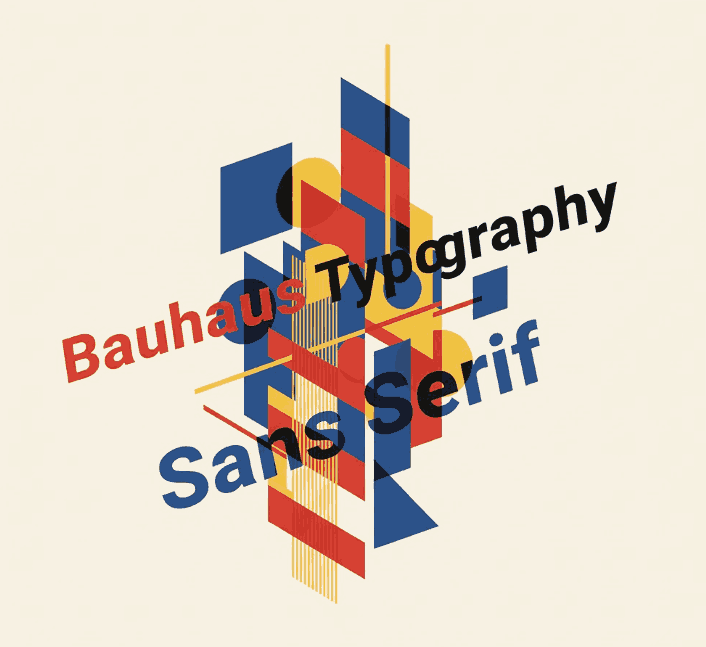
Bauhaus Typography Sans Serif

Table of Contents

  1. Introduction
  2. What Is Bauhaus Typography?
  3. Key Characteristics of Bauhaus Sans Serif Fonts
  4. Why Bauhaus Typography Matters in Modern Design
  5. Best Uses for Bauhaus-Inspired Sans Serif Fonts
  6. Recommended Bauhaus-Style Fonts from CalligraphyFonts.net
  7. How to Use Bauhaus Typography Effectively
  8. Conclusion
  9. References

1. Introduction Bauhaus Typography Sans Serif

Bauhaus Typography Sans Serif has become a timeless design movement—one that continues to influence modern branding, advertising, posters, packaging, UI design, and more. Its minimalist, geometric, and functional style is widely used by designers who want to achieve a clean yet visually striking aesthetic.

In this guide, we will explore Bauhaus Typography Sans Serif, its essential design principles, and how you can apply this style to modern creative projects. Additionally, you’ll find curated font recommendations from CalligraphyFonts.net to help you bring Bauhaus-inspired visuals to life.

Bauhaus Typography Sans Serif

2. What Is Bauhaus Typography Sans Serif?

Bauhaus typography originated from the Bauhaus School of Design (1919–1933) in Germany. The movement emphasized simplicity, function, geometry, and modernism.

At its core, Bauhaus typography eliminates unnecessary decoration and focuses on pure form.

Major principles include:

  • Function over ornamentation
  • Geometric shapes (circles, squares, triangles)
  • Clear hierarchy and readability
  • Bold use of negative space
  • Sans serif letterforms that represent purity and modern thinking

This approach transformed typography across the world and became a foundation for modern graphic design.

3. Key Characteristics of Bauhaus Typography Sans Serif Fonts

Bauhaus sans serif fonts typically share these features:

Geometric Construction

Letters rely on basic shapes such as circles and straight lines. This leads to a clean and harmonious structure.

Minimalist Strokes

Bauhaus typography avoids excessive curves or decorative elements, opting for consistent stroke width.

High Legibility

Due to their simplicity and structural clarity, Bauhaus sans serif fonts remain readable even at small sizes.

Modern Appeal

Although created in the early 20th century, the style feels futuristic and contemporary—making it versatile for modern branding.

Bold and Confident

Many Bauhaus designs use thick, confident strokes to enhance visibility and create a strong visual identity.

4. Why Bauhaus Typography Sans Serif Matters in Modern Design

Even after 100 years, Bauhaus typography continues to dominate modern design trends. Here’s why:

A. Universality

Its clean geometric shapes make it suitable for various industries—technology, fashion, architecture, publishing, and more.

B. Timeless Aesthetic

Designers love Bauhaus fonts because they look modern regardless of era or medium.

C. Visual Balance

Its mathematical structure creates balanced compositions, ideal for logos, posters, and editorial layouts.

D. Versatility

Bauhaus sans serif fonts work across digital and print media, from websites to packaging design.

5. Best Uses for Inspired Bauhaus Typography Sans Serif Fonts

You can apply Bauhaus typography in many design projects, including:

  • Corporate branding and identity
  • Minimalist logo design
  • Posters & editorial design
  • Retro-modern artwork
  • Product packaging
  • Architectural and interior design presentations
  • Website & UI/UX layouts
  • Social media graphics
  • Tech-based marketing campaigns

The clean and geometric style helps create a strong, memorable, and modern impression.

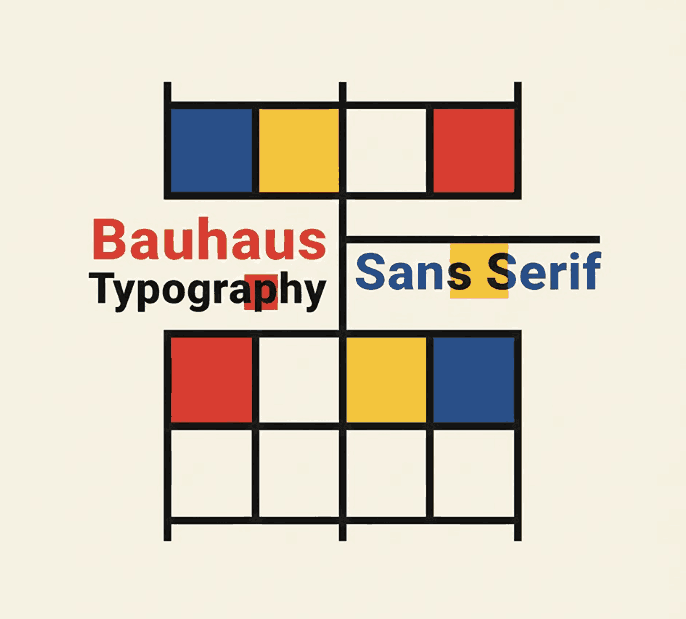
Bauhaus Typography Sans Serif

6. Recommended Bauhaus Typography Sans Serif from CalligraphyFonts.net

To help you apply Bauhaus-style typography in your projects, here are curated fonts from CalligraphyFonts.net that align with Bauhaus principles:

1. Pictorial Style Font

A clean display sans serif with sharp lines and modern aesthetics—perfect for minimal posters, logos, and editorial layouts.

Why It Works for Bauhaus Typography Sans Serif Style:

  • Geometric foundations
  • Bold, modern appearance
  • Excellent for impactful headlines

2. Faint Green Font

A modern sans serif that balances simplicity and personality, ideal for branding, product packaging, and clean layout designs.

Why It Works for Bauhaus Typography Sans Serif Style:

  • Minimalist character structure
  • Smooth readability
  • Works well for body text & titles

3. Kawaguchi Font

A structured, futuristic sans serif font inspired by geometric shapes. Suitable for tech branding, architecture portfolios, and modern advertisements.

Why It Works for Bauhaus Typography Sans Serif Style:

  • Strong geometric influence
  • Futuristic yet functional look
  • Clear letterforms and balance

4. Overcame Font

Bold, straightforward, and minimal—Overcame is perfect for expressive modern layouts, poster designs, and identity systems.

Why It Works for Bauhaus Typography Sans Serif Style:

  • Clean lines
  • High visual impact
  • Ideal for headlines and large typography

7. How to Use Bauhaus Typography Sans Serif Effectively

A. Use Lots of White Space

Bauhaus design thrives on open composition. Give typography room to breathe.

B. Pair with Simple Shapes

Geometric shapes like circles or rectangles reinforce the Bauhaus spirit.

C. Avoid Too Many Fonts

Use 1–2 Bauhaus-style sans serif fonts to maintain consistency.

D. Maintain Alignment

Use grid systems for layout and text structure.

E. Combine with Bold Colors

Red, yellow, blue, and black are classic Bauhaus color palettes.

F. Keep It Functional

Every typographic choice should serve a purpose—clarity comes first.

8. Conclusion Bauhaus Typography Sans Serif

Bauhaus Typography Sans Serif remains one of the most influential styles in modern design. Its geometric beauty, functional nature, and minimalist elegance make it an excellent choice for branding, posters, websites, and creative layouts.

With the curated font recommendations from CalligraphyFonts.net, you can bring the timeless Bauhaus aesthetic into your projects while maintaining a strong, professional visual identity.

9. References Bauhaus Typography Sans Serif