Posted on

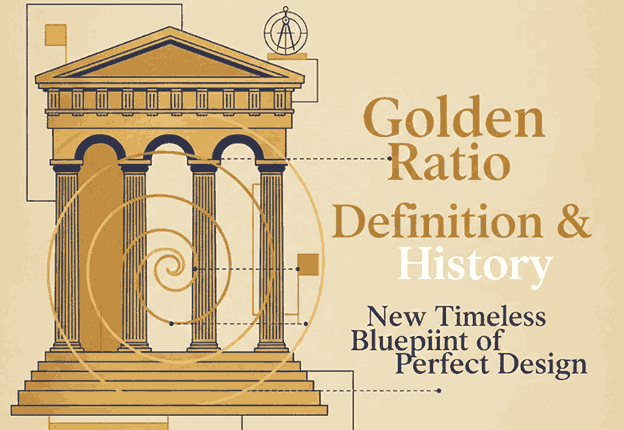
Golden Ratio Definition & History: New Timeless Blueprint of Perfect Design

Golden Ratio Definition & History

Table of Contents

  1. Introduction
  2. What Is the Golden Ratio?
  3. The Mathematics Behind the Ratio
  4. A Brief History of the Golden Ratio
  5. Why the Golden Ratio Matters in Modern Design
  6. Golden Ratio in Logo Design
  7. Golden Ratio in Typography & Font Selection
  8. Recommended Fonts for Golden Ratio–Inspired Designs
  9. How to Apply the Golden Ratio in Your Creative Projects
  10. Final Thoughts
  11. References

1. Introduction Golden Ratio Definition & History

Golden Ratio Definition & History Designers and artists have long sought a timeless formula that produces visual harmony. The Golden Ratio, often recognized as one of the most powerful composition tools in history, continues to influence architecture, art, branding, and typography today. Whether you’re designing a logo, a website, or a font-centered visual layout, understanding the Golden Ratio helps you create balance, beauty, and natural aesthetics.

This article explores the definition, history, and modern applications of the Golden Ratio—along with carefully selected font mockups from CalligraphyFonts.net to inspire your next design project.
Golden Ratio Definition & History

2. What Is the Golden Ratio Definition & History?

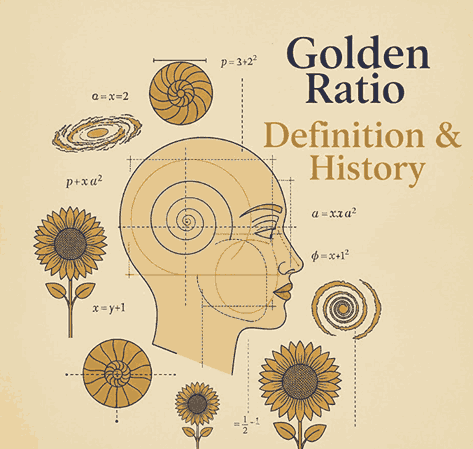
The Golden Ratio, also known as Phi (Φ) and valued approximately at 1.618, is a mathematical proportion found throughout nature, art, and design.

It describes the relationship between two quantities where:

(A + B) / A = A / B = 1.618

This natural proportional pattern is known for producing an ideal sense of harmony and visual balance. You’ll find it in:

  • Nautilus shells
  • Human anatomy
  • Flower petals
  • Galaxy spirals
  • Renaissance paintings
  • Modern brand logos

The universality of the Golden Ratio makes it a foundation of design excellence.

3. The Mathematics Behind the Golden Ratio Definition & History

The Golden Ratio originates from the Fibonacci Sequence, a series of numbers where each number is the sum of the two before it:

1, 1, 2, 3, 5, 8, 13, 21, …

As the sequence progresses, the ratio between successive numbers approaches 1.618, leading to the proportional beauty found in nature and geometry.

Golden rectangles, spirals, and triangles are all derived from this ratio, making it essential in layout design, architecture, and even typography spacing.

4. A Brief of Golden Ratio Definition & History

The Golden Ratio has been studied for thousands of years:

Ancient Greece

Greek mathematicians such as Euclid documented the ratio in “Elements,” linking it to geometry and aesthetics.

Renaissance

Artists including Leonardo da Vinci used the Golden Ratio in works like the Vitruvian Man and the Mona Lisa, elevating it as a standard of beauty.

Modern Times

Architects, graphic designers, and brand specialists continue to use Phi to create balanced compositions, logo grids, and typographic systems.

The Golden Ratio remains a symbol of perfection and artistic craftsmanship.

5. Why the Golden Ratio Definition & History Matters in Modern Design

Modern viewers are subconsciously drawn toward proportionally balanced visuals. Designs using the Golden Ratio tend to feel:

  • Naturally pleasing
  • More professional
  • Better structured
  • Easier to digest visually

It helps designers create layouts with optimal spacing, effective hierarchy, and aesthetically satisfying proportions in:

  • Logos
  • Web layouts
  • Posters
  • Packaging
  • Photography
  • Typography

6. Golden Ratio Definition & History in Logo Design

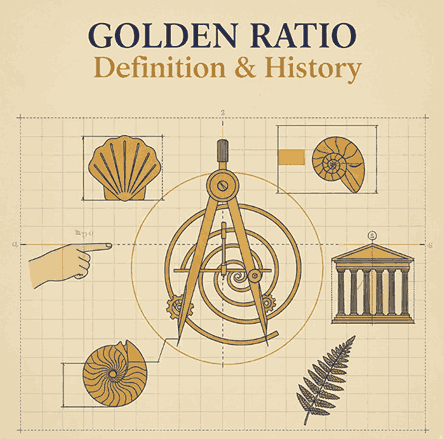
Many iconic brands incorporate Golden Ratio geometry in their logos, including:

  • Apple
  • Twitter
  • Pepsi
  • Toyota

Using Phi spirals and circular grids helps create logos that feel timeless, balanced, and instantly recognizable.

Designers often start with a Golden Rectangle or spiral, aligning elements—curves, icon shapes, or letterforms—to create cohesive branding.
Golden Ratio Definition & History

7. Golden Ratio Definition & History in Typography Font Selection

Typography plays a crucial role in achieving aesthetic harmony. Fonts that complement Golden Ratio compositions usually embody:

  • Balanced stroke proportions
  • Elegant curves
  • Consistent spacing
  • Strong readability

Choosing the right font amplifies the sense of order and sophistication in Golden Ratio-based layouts.

8. Recommended Fonts for Golden Ratio Definition & History–Inspired Designs

Here are carefully selected fonts from CalligraphyFonts.net that pair beautifully with Golden Ratio compositions:

1. Faint Green Font

A modern handwritten script with graceful curves. Ideal for branding, logos, and editorial layouts.

2. Golden Autumn Font

A luxurious handwritten font with soft strokes, perfect for elegant brand identities.

3. Pictorial Style Font

An artistic script font featuring refined visual rhythm—excellent for posters, book covers, and product packaging.

These fonts offer organic shapes and refined silhouettes that align beautifully with Golden Ratio compositions, helping designers achieve a visually harmonious aesthetic.

9. How to Apply the Golden Ratio Definition & History in Your Creative Projects

Here are practical ways designers integrate Phi into their work:

1. Layout Composition

Divide your canvas using the 1:1.618 proportion to create hierarchy and balance.

2. Typography Scaling

Set headline, subheadline, and body text sizes using Phi increments for harmonious typography.

3. Logo Structure

Use circles and rectangles based on the Golden Ratio to form shapes, curves, and letter marks.

4. Spacing & Margins

Apply the ratio to padding, margins, and leading (line spacing) for cleaner visual flow.

5. Photography & Cropping

Use the Golden Spiral to highlight focal points in images, improving storytelling and visual impact.

10. Final Thoughts

The Golden Ratio is more than a mathematical concept—it’s a universal design principle that inspires harmony, balance, and timeless beauty. From logo grids to typographic scaling, Phi remains an essential tool for designers seeking refinement and professional structure.

By combining Golden Ratio principles with elegant, expressive fonts from CalligraphyFonts.net, you can elevate your branding, layouts, and visual storytelling with powerful aesthetic precision.

11. References

Posted on

Streamline Architecture History: New Origins, Features & Influence

Streamline Architecture History

Table of Contents

  1. Introduction
  2. What Is Streamline Architecture?
  3. Historical Background: The Rise of the Streamline Era
  4. Key Characteristics of Streamline Architecture
  5. Influence of Industrial Design on Streamline Architecture
  6. Streamline in Modern Visual & Graphic Design
  7. Using Fonts to Illustrate Streamline Style in Design Projects
  8. Recommended Fonts for Streamline-Inspired Mockups
  9. Why Streamline Design Still Matters Today
  10. Conclusion
  11. References

1. Introduction

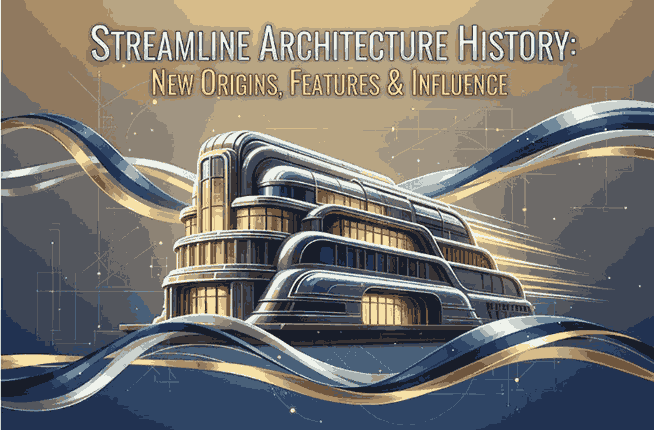
Streamline Architecture History — often called Streamline Moderne—is one of the most iconic design styles that emerged in the early 20th century. Recognized by its sleek forms, rounded edges, and aerodynamic aesthetics, this movement significantly shaped the design world. From buildings and transportation to graphic design and typography, Streamline’s influence continues to inspire modern creatives today.

This article explores the Streamline Architecture History, its core characteristics, and how designers can incorporate its visual philosophy into contemporary projects, including font usage.

Streamline Architecture History

2. What Is Streamline Architecture History?

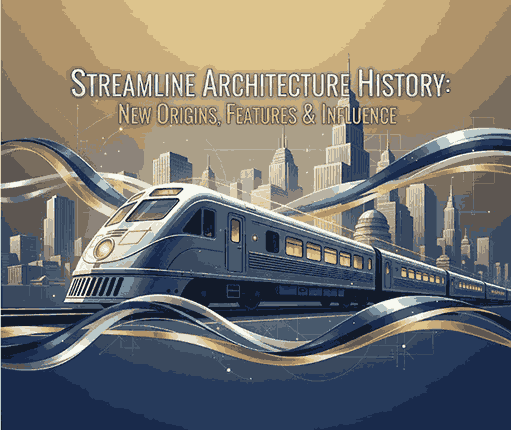
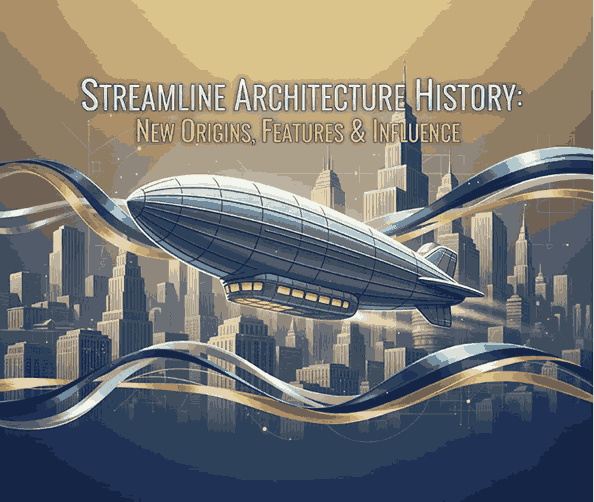
Streamline architecture is a style that emphasizes smooth, flowing lines, curved forms, and a sense of movement. It was deeply inspired by machines and the aerodynamic principles seen in vehicles like trains, ships, and airplanes.

Unlike the sharp, geometric angles of Art Deco, Streamline Moderne softened the aesthetic to create more fluid and horizontal visuals.

3. Historical Background: The Rise of the Streamline Architecture History Era

The Streamline movement gained popularity during the 1930s and 1940s, particularly in the United States and parts of Europe. The Great Depression significantly influenced design sentiment—simplicity, efficiency, and functionality became priorities.

Many experts link the rise of this aesthetic to:

  • Industrial mass production
  • Advances in transportation technology
  • The cultural fascination with speed and progress

Streamline architecture became a symbol of optimism and modernity, showing that even in difficult times, design could embody hope and innovation.

4. Key Characteristics of Streamline Architecture History

Streamline architecture is easily recognized through its unique features, including:

✓ Horizontal Emphasis

Horizontal lines dominate the façade, creating a sense of speed.

✓ Rounded Corners

Curved edges imitate aerodynamic surfaces, similar to vehicles.

✓ Long Bands of Windows

Often called “ribbon windows,” these add continuity and visual flow.

✓ Smooth, Polished Surfaces

Materials such as stucco, chrome, glass block, and metal were common.

✓ Nautical Influence

Many buildings feature ship-like elements such as porthole windows, metal railings, and deck-inspired terraces.

✓ Minimal Ornamentation

Unlike Art Deco, Streamline architecture avoids heavy decoration, focusing on form and function.

5. Influence of Industrial Design on Streamline Architecture History

Streamline architecture is inseparable from industrial design. During the Machine Age, designers focused on making products efficient, aerodynamic, and visually appealing. This industrial mindset carried over into architecture, shaping buildings to feel fast, futuristic, and functional.

The era also produced iconic streamlined products like radios, refrigerators, cars, and household items—all contributing to the overall aesthetic.

6. Streamline Architecture History in Modern Visual & Graphic Design

Today’s designers still draw inspiration from Streamline principles, especially in:

  • Branding
  • Logo design
  • Editorial layout
  • Typography
  • Product packaging

The style’s clean geometry, sleek curves, and minimalism align with today’s modern design trends. Many brands use a streamlined visual identity to convey innovation, sophistication, and efficiency.

7. Using Fonts to Illustrate Streamline Architecture History Style in Design Projects

Fonts play a crucial role in interpreting Streamline architecture for digital and graphic design projects. Ideal choices include:

  • Clean sans-serif fonts
  • Geometric shapes
  • Minimalist strokes
  • Rounded edges
  • Sleek modern lines

These qualities echo the smooth, futuristic, and aerodynamic character of the Streamline movement.

8. Recommended Fonts for Streamline Architecture History-Inspired Mockups

Below are font products from CalligraphyFonts.net that complement the Streamline aesthetic perfectly:

1. Holters Font

A clean, minimal sans-serif with modern geometry—perfect for sleek headings and display designs.

2. Dinernighty Font

A retro yet modern sans-serif with strong Streamline character. Its rounded structure mimics Machine Age styling.

3. True Private Font

A professional minimalist sans-serif ideal for architectural layouts, infographics, and posters.

4. Bluefine Modern Font

A sophisticated geometric font with clean strokes, perfect for creating elegant Streamline-style presentations.

Using these fonts will help designers visually translate the aerodynamic, futuristic spirit of the Streamline era into modern creative work.

Streamline Architecture History

9. Why Streamline Architecture History Design Still Matters Today

Even decades later, Streamline architecture remains relevant for several reasons:

• Timeless Modern Appeal Streamline Architecture History

Its clean lines and minimalist nature align with today’s design trends.

• Versatility Streamline Architecture History

The style fits various applications—architecture, branding, typography, and product design.

• Psychological Impact Streamline Architecture History

Smooth and aerodynamic visuals create feelings of efficiency, speed, and modernity.

• Inspiration for Futuristic Design

Many futuristic concepts borrow from Streamline’s curves and aerodynamic shapes.

The movement may have begun almost a century ago, but its influence continues to shape the design world today.

10. Conclusion

The history of Streamline architecture represents an important chapter in design evolution. From its industrial roots to its impact on modern aesthetics, this style remains a source of inspiration for contemporary designers. Whether you’re working on branding, editorial layouts, or digital visuals, incorporating Streamline principles—and using suitable fonts—can elevate your work with a sense of polished modernity.

The recommended fonts from CalligraphyFonts.net offer the perfect tools to bring Streamline-inspired concepts to life in your design projects.

11. References

Posted on

De Stijl Art Movement: A Complete New Guide to Its Influence on Modern Design

De Stijl Art Movement

Table of Contents

  1. Introduction
  2. What Is the De Stijl Art Movement?
  3. The Origins of De Stijl
  4. Key Characteristics of De Stijl Design
  5. Influential Artists and Designers
  6. Why De Stijl Matters in Modern Graphic Design
  7. De Stijl in Contemporary Visual Culture
  8. How Designers Can Apply De Stijl Principles Today
  9. Recommended Fonts for De Stijl-Inspired Projects
  10. Conclusion
  11. References

1. Introduction De Stijl Art Movement

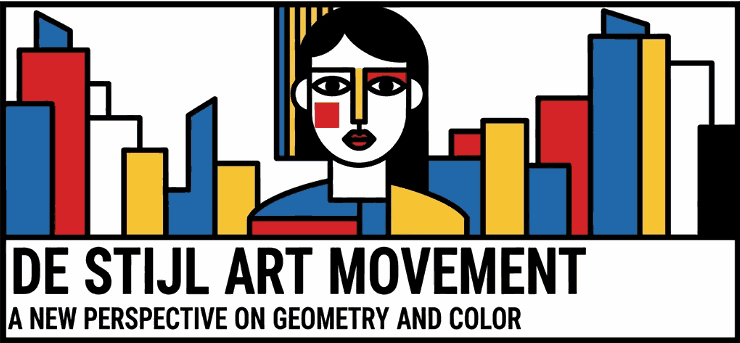
De Stijl Art Movement is one of the most influential modern art and design movements in history. Known for its bold abstraction, geometric shapes, and use of primary colors, De Stijl continues to shape everything from architecture and interior design to graphic design and typography.

For designers, understanding De Stijl is not just about studying history—it’s about learning how simplicity, balance, and structure can elevate visual communication. In this guide, we’ll dive deep into the origins, principles, and impact of De Stijl, and explore how you can apply its timeless concepts to your design projects today.

De Stijl Art Movement

2. What Is the De Stijl Art Movement?

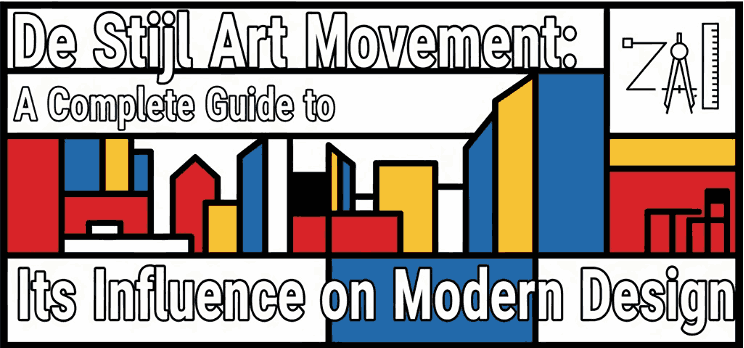
De Stijl (Dutch for “The Style”) is a Dutch artistic movement founded in 1917. It is also known as Neoplasticism, a term describing a new form of abstract, universal art. The movement rejects naturalistic representation and focuses instead on pure abstraction using:

  • Straight horizontal and vertical lines
  • Rectangular forms
  • Primary colors (red, yellow, blue)
  • Neutral colors (black, white, gray)

Its visual identity emphasizes harmony, balance, and reduction of form to its most essential elements.

3. The Origins of De Stijl Art Movement

The movement emerged during a period of social and cultural reinvention after World War I. Artists and designers sought a new aesthetic language that expressed order, clarity, and spiritual harmony.

Key figures such as Piet Mondrian and Theo van Doesburg believed that art should reflect universal beauty and purity. The result was a radical shift from decorative, organic styles to a more structured and mathematical approach to design.

4. Key Characteristics of De Stijl Art Movement Design

De Stijl is easily recognizable for its unique combination of geometry and color. Its key features include:

1. Pure Abstraction De Stijl Art Movement

Designs avoid natural forms and instead rely on abstract compositions.

2. Geometric Shapes De Stijl Art Movement

Squares and rectangles dominate, aligned along horizontal and vertical axes.

3. Primary Colors De Stijl Art Movement

Red, blue, and yellow are used to create striking yet harmonious visual contrasts.

4. Neutral Color Balance De Stijl Art Movement

Black, white, and gray add structure and stability.

5. Simplicity and Reduction De Stijl Art Movement

Unnecessary elements are eliminated, leaving only the essential components.

6. Strong Asymmetrical Balance

Though minimal, De Stijl compositions achieve dynamic balance through shape and proportion.

5. Influential Artists and Designers

Several key figures helped shape the De Stijl movement:

Piet Mondrian

The most famous De Stijl artist, Mondrian’s grid-based paintings embody the movement’s principles.

Theo van Doesburg

Founder of De Stijl magazine, he expanded the movement into architecture, typography, and design theory.

Gerrit Rietveld

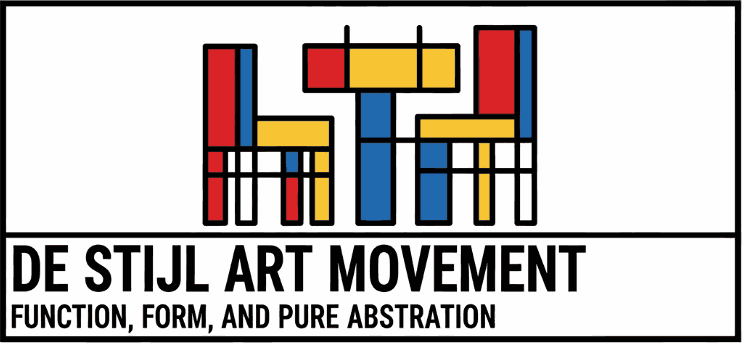
Known for innovative furniture like the Red and Blue Chair and architecture such as the Rietveld Schröder House.

Vilmos Huszár & Bart van der Leck

Artists who contributed to the visual direction of early De Stijl.

Their work set the foundation for modern minimalism and the grid systems used widely in today’s design world.

De Stijl Art Movement

6. Why De Stijl Matters in Modern Graphic Design

The De Stijl Art Movement continues to influence design in several ways:

a. Grid-Based Layouts

Modern web and editorial designs heavily rely on grid systems inspired by Mondrian’s compositions.

b. Minimalism

The movement’s focus on essential elements influenced minimalistic branding and UI/UX design.

c. Strong Color Theory

Primary and neutral color contrast is still used to create clarity and structure.

d. Architectural Harmony

Designers apply De Stijl principles when creating balanced, functional layouts.

e. Visual Identity Systems

Logo design, typography, and layout principles often echo the movement’s geometric approach.

De Stijl is timeless because its principles are universal, adaptable, and deeply rooted in visual logic.

7. De Stijl in Contemporary Visual Culture

De Stijl appears in today’s culture through:

  • Brand identities
  • Interior design and furniture
  • Magazine layouts and book covers
  • Website grid systems
  • Fashion and product design
  • Poster design and modern art exhibitions

Its clean geometry and bold color choices remain relevant because they communicate clarity and structure—qualities highly valued in modern communication.

8. How Designers Can Apply De Stijl Principles Today

Here are practical ways to incorporate De Stijl into modern design projects:

1. Use Bold Geometric Layouts De Stijl Art Movement

Break the canvas into rectangular fields using grids.

2. Highlight Visual Hierarchy De Stijl Art Movement

Utilize size and position to guide the viewer’s attention.

3. Restrict Color Usage De Stijl Art Movement

Stick to primary colors complemented by neutral tones.

4. Apply Thick Lines and Clear Dividers

These reflect the visual rhythm typical of Mondrian’s style.

5. Embrace Simplicity

Remove ornamentation and focus on structure, balance, and clarity.

6. Use Contrasting Typographic Styles

Pair clean, geometric typefaces with structured layouts for a contemporary De Stijl look.

9. Recommended Fonts for De Stijl-Inspired Projects

Fonts play a crucial role in expressing the structured and geometric style of De Stijl. Here are font recommendations from CalligraphyFonts.net that align well with De Stijl principles and are perfect for article mockups, posters, and branding:

1. Ballerinas Font

Although decorative, Ballerinas offers bold shapes and structured curves that can be adapted for modern De Stijl-inspired layouts, especially in posters or creative headlines.

2. Holters Sans Serif

A clean and geometric sans serif font that strongly resonates with De Stijl’s minimal and structured approach. Ideal for headers, editorial layouts, and graphic compositions.

3. Sublack Display Font

A striking display font with bold strokes and strong geometry—perfect for impactful De Stijl-styled posters, signage, and experimental layouts.

Using the right font enhances the visual identity of a De Stijl-inspired design and helps reflect the movement’s strong structural style.

10. Conclusion De Stijl Art Movement

The De Stijl Art Movement remains one of the most influential forces in modern design. Its core principles—geometry, simplicity, balance, and use of primary colors—are visible everywhere in contemporary visual communication. Designers who understand and apply De Stijl concepts can create work that is both timeless and visually striking.

By using structured layouts, bold shapes, and clean typography such as Holters, Sublack, and Ballerinas, you can bring the spirit of De Stijl into modern graphic design.

11. References

  • Tate — Turner & Constable
  • TheArtStory — Summary of De Stijl
  • Moma — Art and artists in our collection
  • DinStudio — De Stijl Design Movement: An Overview
Posted on

Principles of Graphic Design: The Foundation of Visual New Communication

Principles of Graphic Design

Table of Contents

  1. Introduction: Why Graphic Design Principles Matter
  2. The 7 Core Principles of Graphic Design
     • Balance
     • Contrast
     • Alignment
     • Repetition
     • Proximity
     • Hierarchy
     • Space
  3. Applying Design Principles in Branding and Marketing
  4. The Role of Typography in Graphic Design
  5. Recommended Fonts for Creative Projects
  6. Final Thoughts
  7. References

1. Introduction: Why Graphic Design Principles Matter

Principles of Graphic Design is more than just making something look attractive—it’s about communication, clarity, and impact. The Principles of Graphic Design serve as the backbone of every visual creation, ensuring that your message connects effectively with your audience.

Whether you are designing a brand logo, a poster, or a website interface, understanding these principles helps you build visuals that are balanced, intentional, and emotionally engaging. In today’s digital world, where visuals dominate marketing strategies, mastering these fundamentals can set your work apart.

Principles of Graphic Design

2. The 7 Core Principles of Graphic Design

Let’s explore the essential principles that every designer should understand and apply.

Balance

Balance refers to the distribution of visual weight within a design. It can be symmetrical (where both sides mirror each other) or asymmetrical (where visual interest is created through contrast and variation). A balanced layout ensures that no part of the design feels heavier than the other.

Contrast

Contrast highlights differences in color, size, shape, and texture to create emphasis. It helps guide the viewer’s attention to the most important elements, such as headlines or calls to action. High contrast is also essential for readability and accessibility.

Alignment

Alignment ensures that every element on a page visually connects to another. Proper alignment creates structure, order, and a professional appearance. Misalignment, on the other hand, can make a design appear chaotic or unbalanced.

Repetition

Repetition builds consistency by reusing visual elements such as fonts, colors, and shapes. It reinforces branding and helps establish a recognizable identity across different materials like brochures, websites, or social media posts.

Proximity

Proximity groups related items together, making the design easier to navigate. By organizing content logically, proximity helps viewers quickly understand relationships between elements—improving both aesthetics and usability.

Hierarchy

Hierarchy determines the order in which information is presented. Designers use size, weight, and placement to guide viewers from the most important to the least important information. For example, headlines should always stand out compared to body text.

Space

Space, often referred to as “white space,” gives designs room to breathe. It prevents overcrowding and helps highlight important content. Effective use of space contributes to elegance, readability, and a clean layout.

3. Applying Principles of Graphic Design in Branding and Marketing

The principles of graphic design are crucial in building a consistent and memorable brand identity. A logo that follows these rules will communicate professionalism, while a marketing campaign that applies hierarchy and contrast effectively will attract more attention.

For instance, a brand that uses strong visual balance and clear hierarchy across its website and packaging will appear trustworthy and organized. When combined with a cohesive color palette and thoughtful typography, these design principles can create a powerful emotional connection with customers.

4. The Role of Typography in Principles of Graphic Design

Typography is a vital part of design—it influences tone, personality, and readability. Choosing the right font can transform a design from ordinary to extraordinary. Serif fonts convey tradition and authority, sans-serif fonts evoke modernity, and script fonts add a touch of elegance or creativity.

If you’re a designer looking to experiment with stunning typefaces, you can explore premium fonts at Calligraphy Fonts, where artistry meets functionality. The right typography can bring balance and harmony to your overall design composition.

Principles of Graphic Design

5. Recommended Fonts for Creative Projects

Here are some fonts that work perfectly when applying the Principles of Graphic Design to your branding or artwork:

  • Overcame Font – A bold and elegant typeface that captures strength and determination.
  • Ballerinas Font – Perfect for designs that require a graceful and artistic touch.
  • Ameralda Font – A luxurious and stylish font ideal for branding and logo design.
  • Catcalling Font – Great for creative posters and modern minimalist projects.

Each of these fonts exemplifies different principles like contrast, balance, and repetition—helping you achieve a harmonious and engaging design.

6. Final Thoughts

Understanding and applying the principles of graphic design is essential for creating visually compelling work that communicates effectively. Every line, color, font, and space you use contributes to how your audience perceives your design.

By combining these principles with quality typography from CalligraphyFonts.net, you can produce professional and memorable visuals that strengthen brand identity and capture attention in a competitive creative market.

7. References