Posted on

Monochrome Color Palette Examples: How to Create Stunning One-Color Designs

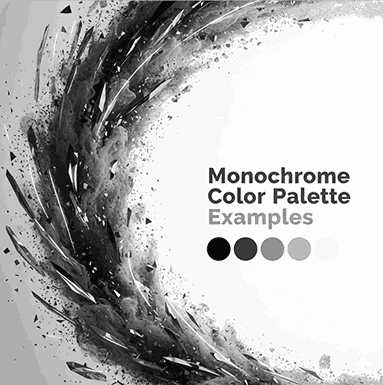
Monochrome Color Palette Examples

Table of Contents

  1. Introduction
  2. What Is a Monochrome Color Palette?
  3. Monochrome vs Black and White: Key Differences
  4. Why Designers Love Monochrome Color Palettes
  5. Popular Monochrome Color Palette Examples
  6. Typography’s Role in Monochrome Design
  7. Font Mockup Examples for Monochrome Designs
  8. Tips for Creating Effective Monochrome Designs
  9. Common Mistakes to Avoid
  10. Final Thoughts
  11. References

1. Introduction Monochrome Color Palette Examples

Monochrome Color Palette Examples plays a crucial role in visual communication, but sometimes less truly is more. One of the most powerful and timeless approaches in design is the monochrome color palette. Designers across branding, typography, packaging, and digital media rely on monochrome palettes to create visuals that feel clean, intentional, and emotionally focused.

In this article, we explore Monochrome Color Palette Examples, explain how they work, and show how the right typography—especially high-quality fonts—can elevate monochrome designs to a professional level.

Monochrome Color Palette Examples

2. What Is a Monochrome Color Palette Examples?

A monochrome (or monochromatic) color palette is created using one base color and expanding it through:

  • Tints (color + white)
  • Shades (color + black)
  • Tones (color + gray)

This results in a palette that maintains visual consistency while still offering depth and contrast.

For example:

  • A blue monochrome palette may include navy, royal blue, sky blue, and pale blue
  • A green monochrome palette may include forest green, olive, sage, and mint

3. Monochrome vs Black and White: Key Differences

Many people mistakenly think monochrome means only black and white. In reality:

  • Black and white is just one type of monochrome palette
  • Monochrome can be built from any color

This flexibility makes monochrome palettes ideal for modern branding, editorial layouts, and typography-focused designs.

4. Why Designers Love Monochrome Color Palette Examples

Monochrome palettes remain popular because they offer multiple advantages:

✔ Visual Harmony

Using one color ensures consistency across all design elements.

✔ Strong Brand Identity

Brands using monochrome colors often appear more confident and memorable.

✔ Focus on Form and Typography

Without multiple colors competing for attention, typography and layout shine.

✔ Timeless Aesthetic

Monochrome designs age well and adapt easily across mediums.

✔ Easier Color Decisions

Designers can focus more on concept, spacing, and hierarchy.

5. Popular Monochrome Color Palette Examples

Here are some widely used monochrome palettes in modern design:

Monochrome Black & Gray

  • Editorial layouts
  • Luxury branding
  • Minimalist websites

Monochrome Blue

  • Technology and SaaS brands
  • Corporate identity
  • UI and web design

Monochrome Green

  • Eco-friendly brands
  • Organic products
  • Wellness and lifestyle designs

Monochrome Beige / Brown

  • Craft, handmade, and vintage branding
  • Packaging and labels

Monochrome Red

  • Bold posters
  • Entertainment branding
  • Promotional visuals

Each palette works best when combined with strong typography and thoughtful contrast.

6. Typography’s Role in Monochrome Color Palette Examples Design

In monochrome design, typography becomes the primary visual element. The font’s:

  • Stroke weight
  • Curves
  • Contrast
  • Texture

…all determine how engaging the design feels.

High-quality fonts help:

  • Create hierarchy without extra colors
  • Add emotion and personality
  • Improve readability
  • Strengthen brand perception

This is why premium fonts are essential for monochrome layouts.

Monochrome Color Palette Examples

7. Font Mockup for Monochrome Color Palette Examples Designs

Below are carefully selected fonts from CalligraphyFonts.net that work exceptionally well in monochrome color palette examples.

1. Belleriana Font

Elegant calligraphy font perfect for monochrome luxury branding, editorial headlines, and premium packaging.

Best for:

  • Monochrome black, navy, emerald palettes
  • Fashion, beauty, and wedding branding

2. Jungle Tribe Font

A bold display font with strong personality that stands out even with a single color.

Best for:

  • Monochrome earthy tones
  • Posters, packaging, and merchandise

3. Monoscreen Modern Display Font

A futuristic display font ideal for clean, modern monochrome digital designs.

Best for:

  • Monochrome gray or blue palettes
  • Tech branding, UI, and web headers

4. Anthonyela Calligraphy Font

A flowing handwritten font that brings elegance and softness to monochrome compositions.

Best for:

  • Monochrome pastel palettes
  • Beauty brands, personal logos, and packaging

8. Tips for Creating Effective Monochrome Color Palette Examples Designs

To get the most out of monochrome color palettes:

  • Use contrast through light and dark tones
  • Combine bold and thin typography
  • Apply spacing and hierarchy carefully
  • Experiment with texture and opacity
  • Avoid flat designs by adding subtle gradients
  • Test readability across screen and print

Typography and composition are the keys to success.

9. Common Mistakes to Avoid Monochrome Color Palette Examples

Even simple palettes can fail if used incorrectly. Avoid these mistakes:

  • Using too little contrast
  • Choosing weak or poorly designed fonts
  • Relying on color alone without hierarchy
  • Ignoring accessibility and readability
  • Overusing decorative fonts

A strong monochrome design is intentional, not accidental.

10. Final Thoughts Monochrome Color Palette Examples

Exploring Monochrome Color Palette Examples is an excellent way to refine your design skills and strengthen visual storytelling. By focusing on one color and pairing it with high-quality typography, designers can create layouts that are elegant, modern, and impactful.

For professional monochrome typography and branding, premium fonts from CalligraphyFonts.net provide the perfect foundation for stunning design results.

11. References

Posted on

The Ultimate Guide to Dummy Design Project Portfolios for Designers

Dummy Design Project Portfolio

Table of Contents

  1. Introduction
  2. What Is a Dummy Design Project Portfolio?
  3. Why Dummy Projects Matter for Designers
  4. When You Should Use Dummy Projects
  5. How to Create Effective Dummy Design Projects
    • Choose a Realistic Brand Concept
    • Define the Project Scope
    • Build a Complete Visual Direction
    • Use High-Quality Typography
    • Present the Final Mockups
  6. Best Fonts for Dummy Design Project Mockups
  7. Tips to Make Your Dummy Portfolio Look Professional
  8. Common Mistakes to Avoid
  9. Final Thoughts
  10. References

1. Introduction Dummy Design Project Portfolio

Dummy Design Project Portfolio is the backbone of a creative career—whether you are a graphic designer, branding specialist, illustrator, or font creator. But what if you are new to the industry or simply lack enough commercial projects to showcase? This is where the Dummy Design Project Portfolio comes in.

Dummy projects (also known as spec work, self-initiated projects, or conceptual projects) allow designers to demonstrate skills, creativity, style, and problem-solving ability—even without client work. In this article, we will explore how to create impactful dummy projects, which fonts work best for showcasing your mockups, and how they can dramatically elevate your portfolio’s visual appeal.

Dummy Design Project Portfolio

2. What Is a Dummy Design Project Portfolio?

A Dummy Design Project Portfolio is a curated collection of design works created without a real client. These projects are often conceptual, self-initiated, or crafted for practice and portfolio enhancement.

They can include:

  • Fictional brand identities
  • Mock product packaging
  • Poster and advertisement designs
  • Magazine or layout designs
  • UI/UX redesigns
  • Creative typography compositions

These projects aren’t commissioned—they are crafted to showcase your ability, style, and design thinking.

3. Why Matter Dummy Design Project Portfolio

Creating dummy projects is a powerful way to grow your career. Here’s why:

✔ Build Skills

They help you practice real-world workflows—from research to concept to execution.

✔ Showcase Your Style

Dummy projects reflect your personal aesthetic, not limited by client demands.

✔ Demonstrate Versatility

You can design for industries you want to work in: beauty, food, apparel, tech, lifestyle, etc.

✔ Build Client Trust

Professionally presented dummy projects can be as convincing as real commissions.

✔ Fill in Portfolio Gaps

Perfect for beginners or designers transitioning to a new niche.

According to Adobe Creative Cloud’s portfolio guidelines, conceptual work is acceptable as long as it clearly demonstrates expertise and storytelling. This makes dummy projects widely recognized and valued in the industry.

4. When You Should Use Dummy Design Project Portfolio

Dummy design projects are especially useful when:

  • You have limited client work
  • You want to enter a new design specialty
  • You are building your brand identity as a designer
  • You want to practice using new tools, fonts, or techniques
  • You need high-quality content for Behance, Dribbble, or your portfolio website

These types of projects help you grow, experiment, and build a strong visual resume.

5. How to Create Effective Dummy Design Project Portfolio

1. Choose a Realistic Brand Concept

Start by selecting a fictional brand name, target audience, and industry.
For example:

  • Organic skincare brand
  • Coffee shop identity
  • Luxury perfume packaging
  • Festival poster design

The brand must feel believable and relatable.

2. Define the Project Scope

Determine what you will design:

  • Logo
  • Color palette
  • Typeface selection
  • Packaging
  • Social media posts
  • Website or UI screens
  • Advertising poster

A clear scope helps maintain consistency.

3. Build a Complete Visual Direction

Design your visual identity as if for a real client:

  • Moodboard
  • Color theory
  • Typography system
  • Layout guides
  • Graphic elements

This improves storytelling and strengthens your portfolio.

4. Use High-Quality Dummy Design Project Portfolio

Typography is one of the strongest tools in visual branding. Using premium fonts makes your dummy designs look polished and professional. Below, you’ll find curated font recommendations from CalligraphyFonts.net.

5. Present the Final Mockups

Great presentation increases perceived value.
Use:

  • Product packaging mockups
  • Poster mockups
  • Branding mockups
  • Social media layouts
  • Stationery mockups

This transforms simple designs into professional visual assets.

Dummy Design Project Portfolio

6. Best Fonts for Dummy Design Project Portfolio Mockups (From CalligraphyFonts.net)

To make your dummy projects look premium and elegant, here are four recommended fonts—perfect for logos, packaging, and branding presentations:

1. Super Dreamer Font

Perfect for creating artistic and expressive branding concepts, especially for lifestyle and handmade product mockups.

2. Mellow Summer Font

Soft, relaxed, and natural—ideal for packaging, social media templates, and creative portfolios.

3. James Arthur Font

A signature-style font suitable for luxury branding, fashion labels, and personal logos.

4. Brothels Brush Font

A bold brush font with a strong artistic personality—great for posters, streetwear brands, and bold statement designs.

Each of these fonts adds character and visual impact to dummy project presentations.

7. Tips to Make Your Dummy Design Project Portfolio Look Professional

✔ Keep each project cohesive

Avoid mixing too many styles in one project.

✔ Add explanations

A short case-study format helps clients understand your thought process.

✔ Use realistic mockups

High-quality mockups make your designs feel more authentic.

✔ Focus on storytelling

Every brand identity should reflect a purpose and personality.

✔ Maintain consistent layout

Clean spacing, alignment, and color balance are essential for portfolio polish.

8. Common Mistakes to Avoid

  • Using too many random styles
  • Adding low-quality images
  • Overusing free fonts with poor readability
  • Not showing your design process
  • Creating unrealistic brand concepts
  • Lack of consistency in visual hierarchy

Avoiding these mistakes will significantly improve your dummy project presentation.

9. Final Thoughts Dummy Design Project Portfolio

A Dummy Design Project Portfolio is one of the most powerful tools for designers—especially beginners or creatives transitioning into new fields. By combining purposeful design thinking, high-quality typography, and professional mockups, you can build a stunning portfolio that attracts real clients.

Start creating your dummy projects today and elevate your visual identity using premium fonts from CalligraphyFonts.net.

10. References

Posted on

Graphic Design Specializations: A Complete Guide for Modern Creatives

Graphic Design Specializations

Table of Contents

  1. Introduction
  2. What Are Graphic Design Specializations?
  3. Why Specialization Matters in Today’s Creative Industry
  4. 10 Most Common Graphic Design Specializations
    • 4.1 Branding & Visual Identity
    • 4.2 Logo Design
    • 4.3 UI/UX & Digital Product Design
    • 4.4 Web Design
    • 4.5 Illustration & Character Design
    • 4.6 Motion Graphics
    • 4.7 Advertising & Marketing Design
    • 4.8 Packaging Design
    • 4.9 Editorial & Publication Design
    • 4.10 Environmental & Spatial Design
  5. Recommended Fonts from CalligraphyFonts.net
  6. Final Thoughts
  7. References

1. Introduction Graphic Design Specializations

Graphic Design Specializations has evolved into a diverse and dynamic industry, offering countless opportunities for creatives with different skill sets. Whether you enjoy bold visual communication, digital interfaces, brand storytelling, or packaging aesthetics, there is a specialization tailored for your strengths.

In this article, we explore the most common graphic design, their roles, and how they shape modern design projects. If you want to choose a niche or strengthen your career direction, this guide will help you understand where your skills fit best.

Graphic Design Specializations

2. What Are Graphic Design Specializations?

Graphic design refer to specific categories or branches within the field of design. Each specialization focuses on a unique creative function—such as branding, illustration, UI/UX, or packaging—and requires a particular set of skills, tools, and visual approaches.

Specialization helps designers stand out, offer deeper expertise, and create more impactful work.

3. Why Graphic Design Specializations Matters in Today’s Creative Industry

Today’s digital landscape demands designers who are not only creative but also highly skilled in a specific area. Companies and clients look for specialists who understand niches deeply—whether it’s user interface design, brand identity creation, or motion graphics.

Key benefits of Specializations:

  • Higher expertise and credibility
  • Clearer portfolio direction
  • Better positioning for high-value projects
  • Easier personal branding as a designer
  • Efficient workflow through mastery of tools and methods

4. 10 Most Common Graphic Design Specializations

4.1 Branding & Visual Identity

This specialization focuses on shaping how a brand is perceived. Designers create visual systems including logos, typography, color palettes, and brand guidelines.

Key Responsibilities:

  • Brand identity creation
  • Visual consistency across platforms
  • Mood boards & concept development

4.2 Logo Graphic

Logo designers concentrate on symbols, marks, and icons that represent a brand. They understand shape psychology, simplicity, and timeless visual communication.

Skills Needed:

  • Typography mastery
  • Symbolism & visual meaning
  • Minimalist composition

4.3 UI/UX & Digital Product Graphic Design Specializations

This specialization improves digital experiences on apps, websites, dashboards, or software.

UI/UX designers focus on:

  • User-centered design
  • Interactive layouts
  • Digital prototypes
  • Information architecture

4.4 Web Graphic Design Specializations

Web designers create visually appealing and functional website layouts. They work with grids, responsive design, typography, and visual hierarchy.

Tasks Include:

  • Homepage layout
  • Landing page design
  • WordPress design
  • Visual mockups

4.5 Illustration & Character

Illustrators create custom artwork used in books, branding, packaging, social media, and motion design.

Applications:

  • Children’s books
  • Mascots
  • Brand illustrations
  • Animated characters

4.6 Motion Graphic Design Specializations

Motion designers create moving visuals for marketing videos, explainer animations, intros, and digital ads.

Key Tools: After Effects, Blender, Cinema4D.

4.7 Advertising & Marketing Graphic Design Specializations

Designers in this field create visuals that persuade or promote products and services.

Examples:

  • Posters
  • Billboards
  • Social media ads
  • Product campaigns

4.8 Packaging Design

Packaging designers combine layout, structure, branding, and consumer psychology to create physical product packaging.

Common Works:

  • Food packaging
  • Cosmetic boxes
  • Bottle labels
  • Retail products

4.9 Editorial & Publication

This specialization focuses on magazines, books, brochures, and layout-heavy documents.

Tools: Adobe InDesign, Affinity Publisher.

4.10 Environmental & Spatial

This field involves creating graphics for physical spaces.

Examples:

  • Wayfinding systems
  • Exhibition design
  • Storefront graphics
  • Wall murals
Graphic Design Specializations

5. Recommended Fonts from CalligraphyFonts.net

To enhance the visual examples in your article, here are curated fonts from your website that fit the topic:

1. Overcame Font

A modern sans serif ideal for branding, UI design, and visual identity samples.

2. Faint Green Font

Perfect for editorial and publication design due to its clean and readable structure.

3. Pictorial Style Font

A creative, expressive font suitable for illustration and artistic design samples.

4. Monoscreen Modern Font

A futuristic display font, great for UI/UX or tech-related graphics.

6. Final Thoughts Graphic Design Specializations

Graphic design is a vast field, and understanding its many specializations can help designers build a strong, focused career. Whether you prefer the strategic nature of branding, the precision of UI/UX, or the creativity of illustration, there is a niche that fits your passion.

By mastering one or two specializations—and using high-quality fonts such as those available on CalligraphyFonts.net—designers can elevate their portfolio and attract better clients.

7. References

  1. Interaction Design FoundationWhat is UI/UX Design?
  2. Din Studio – The 8 Most Common Types of Graphic Design
  3. Number Analytics Mastering Graphic Design Specializations
Posted on

Pantone Color Matching System: New Inspiring Ways to Achieve Color Perfection

Pantone Color Matching System

Table of Contents

  1. Introduction: The Power of Consistent Color
  2. What Is the Pantone Color Matching System?
  3. How Pantone Colors Revolutionized Design
  4. The Importance of Pantone in Branding and Printing
  5. Pantone Colors and Digital Design
  6. Fonts That Pair Perfectly with Pantone Designs
  7. Final Thoughts
  8. References

1. Introduction: The Power of Consistent Color

Pantone Color Matching System is one of the most powerful tools in visual communication. It influences emotions, defines brand identity, and creates visual harmony across mediums. But how do designers and printers ensure that a specific color looks the same on every material — from screen to paper to fabric?

The answer lies in the Pantone Color Matching System (PMS), the world’s most recognized color standard. Whether you’re designing logos, packaging, or marketing materials, understanding Pantone colors can elevate your creative process and ensure color accuracy across every project.

Pantone Color Matching System

2. What Is the Pantone Color Matching System?

The Pantone Color Matching System, often abbreviated as PMS, is a standardized color reproduction system developed by Pantone Inc. in the 1960s. It assigns each color a unique code — known as a Pantone number — to ensure consistency across different design platforms and materials.

For example, Pantone 186 C always refers to the same shade of red, regardless of the printer, monitor, or manufacturer. This allows designers and brands to communicate exact color specifications without confusion or inconsistency.

The PMS system covers thousands of colors, categorized by material type — such as coated (C), uncoated (U), and textile (TPX/TCX) references.

3. How Pantone Color Matching System Revolutionized Design

Before Pantone’s system was developed, designers struggled with inconsistent color results between design proofs and final printed materials. The Pantone system changed everything by creating a universal language for color accuracy.

Key benefits include:

  • Color Consistency: Guarantees the same visual output across print and digital media.
  • Global Communication: Designers, printers, and manufacturers can collaborate seamlessly using shared color codes.
  • Creative Control: Enables precise color matching for logos, branding, and product packaging.
  • Inspiration and Innovation: Pantone’s yearly Color of the Year inspires global design trends across industries like fashion, interior, and digital art.

Today, Pantone is synonymous with design precision — a must-have tool for any professional creator.

4. The Importance of Pantone Color Matching System in Branding and Printing

Brands rely heavily on color psychology and recognition. Think of Coca-Cola’s red (Pantone 484) or Tiffany’s blue (Pantone 1837) — these iconic hues instantly connect consumers to their brands.

Here’s why Pantone colors are essential in branding:

  • Exact Brand Identity: Ensures brand colors look consistent across packaging, advertising, and digital assets.
  • Professional Printing: Pantone spot colors deliver richer, more accurate tones than CMYK blends.
  • Reproducibility: Colors remain the same even after years of reprints or production.

Pantone colors are also essential for product designers, ensuring the final product matches the approved visual concept.

5. Pantone Color Matching System and Digital Design

In digital spaces, designers often work with RGB (screen colors) and HEX (web colors) formats. However, these don’t always align perfectly with printed materials.

Pantone provides digital libraries and tools — such as Pantone Connect — that allow designers to convert between PMS, CMYK, RGB, and HEX values. This helps maintain consistent colors across digital interfaces and print campaigns.

When combining Pantone hues with digital art and typography, designers can create visually balanced designs that resonate both on screen and in print.

Pantone Color Matching System

6. Fonts That Pair Perfectly with Pantone Designs

To achieve harmony between color and typography, font selection plays a crucial role. Certain font styles work beautifully with Pantone-inspired color palettes, adding depth and balance to the overall composition.

Here are some font recommendations from CalligraphyFonts.net that perfectly complement Pantone color schemes:

1. Mode Center Font

A modern and clean display font designed for bold headlines and creative layouts. Its geometric form pairs beautifully with bright Pantone colors like yellow, turquoise, and coral.

2. Fresh Salad Font

Playful and stylish, this display font matches well with vibrant color combinations. Perfect for posters, packaging, or creative branding inspired by Pantone’s dynamic color range.

3. Brafio Font

Elegant yet assertive, this serif display font complements muted or sophisticated Pantone shades like Classic Blue, Serenity, or Viva Magenta. Ideal for luxury branding or editorial design.

When used together, these fonts and Pantone colors can create an unforgettable brand presence — striking, professional, and visually unified.

7. Final Thoughts

The Pantone Color Matching System isn’t just a technical tool — it’s a bridge between creativity and consistency. For designers, it ensures that your creative vision translates flawlessly across every surface.

Understanding and using Pantone colors empowers you to:

  • Maintain brand consistency
  • Collaborate effectively with printers and manufacturers
  • Build stronger emotional connections through color

Whether you’re designing packaging, a logo, or a social media campaign, pairing Pantone precision with the right typography — like Mode Center, Fresh Salad, or Brafio — will help your designs shine across all mediums.

8. References

  • DinStudio — What Are Pantone Colors?
  • Pantone — Pantone Colour Systems ‘Introduction’
  • Oberk — What is the Pantone Color System and How is it used in Packaging?
  • FirstColour — What is the Pantone Matching System (PMS) and why is it important in printing?
Posted on

New Best Online Logo Animation Software for Creative Brands

Online Logo Animation Software

Table of Contents

  1. Introduction: Why Logo Animation Matters
  2. Benefits of Using Online Logo Animation Software
  3. Top Online Logo Animation Tools in 2025
    • 3.1 Renderforest
    • 3.2 Animaker
    • 3.3 Canva Pro
    • 3.4 Motionden
    • 3.5 Adobe Express
  4. How to Choose the Right Logo Animation Software
  5. Tips for Creating a Stunning Animated Logo
  6. Enhance Your Animated Logo with Premium Fonts
  7. Conclusion
  8. References

1. Introduction: Why Logo Animation Matters

In today’s fast-paced digital world, Online Logo Animation Software is no longer just an option — it’s a powerful way to tell your brand story. A static logo can represent your identity, but an animated one brings it to life. Motion attracts attention, engages users, and leaves a lasting impression.

From YouTube intros to TikTok ads, animated logos have become a visual signature of modern branding. Thankfully, you don’t need to be a professional animator to create one. With the rise of online logo animation software, anyone can design a professional logo animation in minutes.

2. Benefits of Using Online Logo Animation Software

Using cloud-based tools to animate your logo offers several advantages:

  • Ease of use: Most platforms are drag-and-drop based with ready-to-use templates.
  • Cost-effective: No need for expensive software like After Effects.
  • Cloud storage: Access your projects anytime, anywhere.
  • Time-saving: Create high-quality animations in minutes.
  • Customization: Control motion speed, colors, typography, and more.

Whether you’re a small business owner or a professional designer, these platforms help you stand out in a visually crowded space.

Online Logo Animation Software

3. Top Online Logo Animation Tools in 2025

3.1 Renderforest

Renderforest is one of the most popular logo animation makers online. It offers hundreds of customizable templates with cinematic effects. You can easily upload your logo, select a style, and render your animation in HD.

3.2 Animaker

Animaker is a favorite among digital marketers. It’s designed for people with no animation experience but delivers professional-quality output. The platform supports both 2D and 3D logo animation and includes brand kits for consistency.

3.3 Canva Pro

Canva Pro isn’t just for social media graphics — it also offers animated logo templates with smooth transitions and effects. The drag-and-drop editor makes it easy to combine motion, sound, and text.


3.4 Motionden

Motionden specializes in creating video intros and animated logos. It features a large collection of modern, dynamic templates. You can export your project directly to YouTube or social platforms.


3.5 Adobe Express

From the creators of Photoshop and Illustrator, Adobe Express provides a sleek interface and professional templates for animated logos. It’s ideal for users who want Adobe’s quality but with less complexity.

4. How to Choose the Right Logo Animation Software

When selecting your animation tool, consider the following factors:

  • Ease of Use: A user-friendly interface helps you create faster.
  • Template Variety: Choose platforms with flexible and modern templates.
  • Export Options: Look for HD or 4K export capabilities.
  • Brand Integration: Check if the software supports your brand’s font and color palette.
  • Price and Subscription: Ensure the plan fits your budget and long-term needs.

5. Tips for Creating a Stunning Animated Online Logo Animation Software

Here are some expert tips to make your logo animation unforgettable:

  • Keep it short: Aim for 3–5 seconds of animation.
  • Focus on storytelling: Show motion that reflects your brand’s personality.
  • Match sound effects: Sync motion with subtle audio cues.
  • Use brand fonts: Consistency strengthens recognition.
  • Test across devices: Ensure it looks good on both desktop and mobile.
Online Logo Animation Software

6. Enhance Your Animated Online Logo Animation Software with Premium Fonts

Typography plays a major role in how your logo feels. Choosing a font that complements your animation can transform a simple logo into a memorable one.

Here are a few font recommendations from our collection to help your logo animation shine:

  • Cyranie Zalie Font — Elegant and modern, perfect for luxury or fashion brands.
  • Holters Font — A bold display font ideal for tech or gaming animations.
  • Workday Font — Clean and versatile, great for minimalist animated logos.

Combining smooth motion with expressive typography creates a truly dynamic visual identity.

7. Conclusion Online Logo Animation Software

Animated logos are more than just moving graphics — they’re a statement. By using the right online logo animation software, you can give your brand a unique edge that captures attention and builds recognition.

Whether you’re just starting out or refining your brand visuals, experimenting with animation and premium fonts can elevate your creative game. With tools like Canva Pro, Renderforest, and Adobe Express, creating professional animations has never been easier.

8. References

To ensure this article’s accuracy and depth, here are some reliable sources used for research: