Posted on

Branding Beyond Logo Explained: New Essential Elements Every Business Must Know

Branding Beyond Logo

Table of Contents

  1. Introduction
  2. What “Branding Beyond Logo” Really Means
  3. Why a Brand Is More Than Its Logo
  4. Key Elements of a Complete Brand Identity System
    • 4.1 Color Palette
    • 4.2 Typography
    • 4.3 Visual Style & Art Direction
    • 4.4 Brand Voice & Messaging
    • 4.5 Packaging & Product Presentation
    • 4.6 Photography Guidelines
    • 4.7 Layout System & Grid Usage
    • 4.8 Brand Applications
  5. How Typography Strengthens Brand Identity
  6. Recommended Fonts from CalligraphyFonts.net
  7. Conclusion
  8. References
  9. Yoast SEO Settings

1. Introduction

When people hear the word “Branding Beyond Logo,” most immediately think of a logo. While a logo is an important symbol, it only represents a small part of what branding truly is. A strong brand identity goes far beyond a single mark — it is a complete visual and emotional system that communicates the soul of a company.

This article explores the concept of Branding Beyond Logo, helping designers, creators, and business owners understand why branding is a holistic process. We will also share recommended fonts from CalligraphyFonts.net that can elevate your brand systems and visual consistency.

Branding Beyond Logo

2. What “Branding Beyond Logo” Really Means

Branding beyond the logo refers to all elements that shape how people perceive a brand. Instead of relying on one symbol, a brand builds recognition through a combination of visuals, tone, structure, and experience.

A brand is:

  • How your visuals make people feel
  • How your words speak to the audience
  • How consistent your identity appears across every platform

A logo is the signature, but the full identity system is what creates emotional connection.

3. Why Is More Than Its Branding Beyond Logo

A logo alone cannot communicate the brand story, values, tone, personality, or experience. Modern brands need more touchpoints—social media presence, packaging, typography systems, and digital interfaces.

A full Branding Beyond Logo system helps you:

  • Build trust and familiarity
  • Create consistent customer experiences
  • Strengthen emotional connection
  • Stand out in competitive markets

Brands like Apple, Nike, and Starbucks are recognized not just for their logos, but for their cohesive visual styles, tone of voice, and user experience.

4. Key Elements of a Complete Branding Beyond Logo Identity System

To build a brand beyond the logo, you need a system that includes visual, verbal, and experiential components.

4.1 Color Palette

Color influences emotions and shapes perception. A strategic color palette reinforces brand personality, from calm and minimalist to bold and energetic.

Examples:

  • Blue: trust, reliability
  • Yellow: optimism, friendliness
  • Black: luxury, sophistication

4.2 Typography

Typography is one of the strongest identity pillars. The fonts you choose affect clarity, emotion, and visual tone across every brand asset.

Consistent typography builds recognition even without the logo being present.

4.3 Visual Style & Art Direction

This includes illustration style, photography tone, shapes, textures, patterns, and graphic elements.

Art direction ensures:

  • Grid consistency
  • Image treatment
  • Composition rules
  • Aesthetic continuity

4.4 Branding Beyond Logo Voice & Messaging

A brand’s voice defines how it communicates. Is it playful? Corporate? Friendly? Luxurious?

Messaging includes:

  • Tagline
  • Brand story
  • Social media tone
  • Website copy

4.5 Packaging & Product Presentation

Packaging is a brand touchpoint that directly interacts with customers. The design must reflect the brand personality through:

  • Structure
  • Materials
  • Graphics
  • Label layout

4.6 Photography Guidelines

Photography direction includes:

  • Color tone
  • Lighting mood
  • Framing
  • Subject focus

Strong photography is essential for ecommerce and digital branding.

4.7 Layout System & Grid Usage

A layout system ensures visual consistency across:

  • Brochures
  • Social media templates
  • Posters
  • Website pages

4.8 Brand Applications

A brand becomes recognizable when the system is applied consistently across:

  • Website
  • Packaging
  • Social media
  • Stationery
  • Ads
  • Merchandise
  • Marketing materials

This is how the brand identity becomes alive.

Branding Beyond Logo

5. How Typography Strengthens Branding Beyond Logo Identity

Typography is more than choosing a beautiful font. It influences:

  • Brand recognition
  • Tone of communication
  • Hierarchy and structure
  • Emotional expression

For example:

  • A bold sans serif creates a modern and confident image
  • A rounded typeface feels friendly and playful
  • A futuristic font fits tech or gaming brands
  • A minimal font supports luxury and clean branding

Choosing the right font family helps unify the brand across all touchpoints.

6. Recommended Fonts from CalligraphyFonts.net

Here are curated fonts from your website that fit perfectly into a brand identity system:

1. Overcame Font

A bold and modern sans serif suitable for branding, headlines, and strong identity systems.

2. Snake Game Font

Unique, futuristic, and ideal for tech, gaming, or digital-focused branding.

3. Faint Green Font

Clean and elegant, ideal for editorial style, body text, and premium branding.

4. Pictorial Style Font

Creative and expressive, perfect for artistic branding, packaging, or illustration-heavy brands.

7. Conclusion Branding Beyond Logo

Branding is a complete experience—not just a logo. Businesses that invest in full identity systems see stronger customer loyalty, better recognition, and clearer communication.

Consistent typography, color palettes, visual elements, and messaging shape the emotional relationship between brand and audience.

Using the right fonts, such as those from CalligraphyFonts.net, supports the identity and elevates the brand’s visual presence across all platforms.

8. References

  1. Canva – Understanding Branding Basics
  2. Din Studio – Branding Is Not Just a Logo
  3. Inkbot Design – Beyond Logos: The Business Case for Branding
Posted on

Food Packaging Color Ideas: How to Choose the Perfect Palette for Your Brand 2025

Food Packaging Color Ideas

Table of Contents

  1. Introduction
  2. Why Colors Matter in Food Packaging
  3. The Psychology of Colors in Food Branding
  4. Popular Color Palettes for Food Packaging
  5. How to Choose the Best Color Combination for Your Food Product
  6. Font Recommendations for Food Packaging Designs
  7. Practical Tips to Strengthen Your Packaging Identity
  8. Conclusion
  9. References

1. Introduction

Food Packaging Color Ideas In the competitive industry, packaging plays a critical role in attracting customers and communicating your brand message. Colors are one of the strongest visual elements that influence perception, emotions, and purchasing decisions. This is why exploring Food Packaging Color is essential for creating packaging that stands out on store shelves, e-commerce listings, and social media.

In this article, we will explore the psychology behind colors, the most effective palettes for different types of food products, and practical tips for selecting the right colors for your own brand. We will also recommend several font styles from CalligraphyFonts.net that complement various food packaging themes.

Food Packaging Color Ideas

2. Why Colors Matter in Food Packaging Color Ideas

Color does more than simply make packaging look attractive—it conveys meaning and helps customers make decisions quickly. Studies in consumer psychology show that customers can form a judgment about your product within only a few seconds, and color is one of the main contributors to this snap decision.

Colors help communicate:

  • Flavor expectations
  • Freshness and quality
  • Target audience (children, adults, health-conscious buyers)
  • Brand personality
  • Product category (organic, gourmet, snack, beverages)

When done correctly, colors increase recognition, trust, and customer engagement.

3. The Psychology of Food Packaging Color Ideas in Branding

Here are some commonly used colors and the emotions or messages they create in food packaging:

Red Food Packaging Color Ideas

Associated with energy and appetite stimulation. Often used for snacks or fast food products.

Yellow Food Packaging Color Ideas

Creates warmth, friendliness, and attention. Great for children’s snacks or cheerful food branding.

Green Food Packaging Color Ideas

Represents freshness, health, and organic ingredients. Works well for vegan, healthy, or natural products.

Brown Food Packaging Color Ideas

Communicates warmth, coffee, bakery, chocolate, and earthy flavors. Ideal for artisanal and handmade products.

Blue Food Packaging Color Ideas

Often used for beverages or refreshing products. Also conveys trust and reliability.

Orange Food Packaging Color Ideas

Energetic, fun, and appetizing. Common in juice, snacks, or fruity products.

Black & White Food Packaging Color Ideas

Clean, premium, and modern — widely used for gourmet or luxury food brands.

Understanding color psychology helps you select a palette that matches your product category and audience.

4. Popular Palettes for Food Packaging Color Ideas

1. Fresh & Healthy Palette

  • Light green, leaf green, beige
  • Perfect for organic products, salad bowls, plant-based foods

2. Sweet & Dessert Palette

  • Pink, cream, soft brown, chocolate
  • Works for bakery goods, dessert drinks, snacks

3. Kids’ Snack Palette

  • Bright yellow, orange, red, playful purple
  • Appeals to young audiences and conveys fun

4. Bold & Spicy Palette

  • Deep red, black, metallic gold
  • Ideal for spicy sauces or bold-flavored snacks

5. Minimalist Premium Palette

  • White, charcoal, gold accents
  • Suitable for gourmet foods, specialty products, and premium beverages

Your color palette should visually represent your product’s personality and flavor profile.

Food Packaging Color Ideas

5. How to Choose the Best Color Combination for Your Food Product

Here are practical steps to create the right color combination:

1. Identify Your Product’s Flavor or Category

Different flavors correlate with specific colors—green for mint or organic, red for spicy, brown for chocolate.

2. Analyze Your Target Audience

Children prefer bright colors; adults may prefer clean and modern palettes.

3. Research Market Competitors

Look for trends in your category and identify ways to differentiate while staying familiar.

4. Consider Psychological Impact

Choose colors that evoke the feelings you want customers to associate with the product.

5. Test Multiple Mockups

Visual testing ensures your packaging is both attractive and readable at various sizes and distances.

6. Font Recommendations for Food Packaging Color Ideas Designs

Typography is just as important as color. The right font enhances your brand’s personality and reinforces flavor cues.

Here are recommended fonts from CalligraphyFonts.net for this article:

1. Mango Bite Font

A playful and tasty-looking font that is perfect for juicy, fruity, or snack packaging.

2. Gummy Candy Font

Cute, rounded, and energetic — ideal for candy, kids’ snacks, or colorful food packaging.

3. Avocado Diet Font

Clean, healthy, and modern. Excellent for food products targeting wellness and organic markets.

4. Caramel Pizza Font

Warm, bold, and delicious. Perfect for bakery, pizza, dessert shops, and artisanal products.

These fonts help enhance the packaging identity and make the product more memorable.

7. Practical Tips to Strengthen Your Food Packaging Color Ideas Identity

✔ Use contrast to ensure readability
✔ Keep your palette limited to 2–4 main colors
✔ Maintain consistency across packaging variations
✔ Ensure the colors match digital and print versions
✔ Combine typography + color strategically
✔ Use mockups to test shelf visibility

8. Conclusion Food Packaging Color Ideas

Choosing the right Food Packaging Color Ideas helps elevate your product branding and influences how customers perceive taste, quality, and value. With the right color psychology, a thoughtful palette, and well-chosen typography, your packaging can stand out visually and emotionally.

By pairing strong color choices with carefully selected fonts, such as Mango Bite, Gummy Candy, Avocado Diet, and Caramel Pizza, your food packaging design can become more engaging and impactful.

9. References

  1. Canva – Choosing Colors for Branding
  2. 99Designs – Food Packaging Design Tips
  3. Packaging of the World – Food Packaging Inspiration
  4. Din Studio – Color Combination Ideas for your Food Business
Posted on

Brand Development Process: How to Build a Memorable Brand Identity

Brand Development Process

Table of Contents

  1. Introduction
  2. What Is Brand Development?
  3. The Importance of a Strong Brand
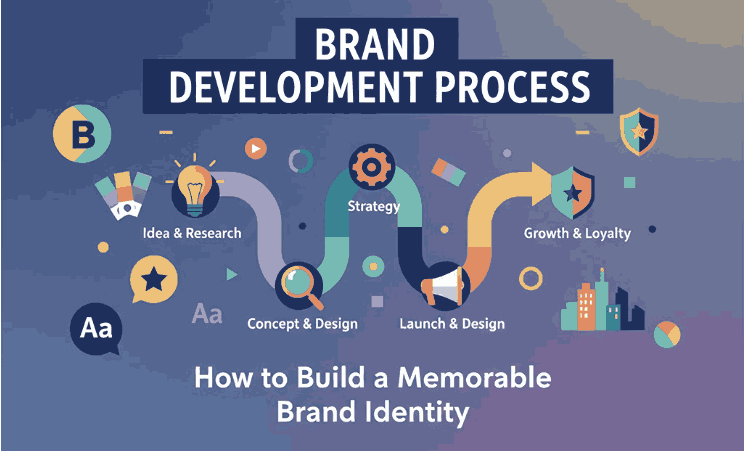
  4. Step-by-Step Brand Development Process
    • Step 1: Research and Analysis
    • Step 2: Define Your Brand Identity
    • Step 3: Create Your Visual Branding
    • Step 4: Develop a Consistent Brand Voice
    • Step 5: Implement and Monitor Your Brand
  5. Best Practices for Effective Brand Building
  6. Font Inspiration for Your Brand Design
  7. Conclusion
  8. References

1. Introduction

In today’s competitive market, a strong brand isn’t just about having a great logo or catchy slogan—it’s about building trust, recognition, and emotional connection. The brand development process helps transform your business from a simple idea into a recognizable identity that resonates with your target audience.

Whether you’re a startup or a growing company, understanding how to strategically develop your brand is the foundation for long-term success.

Brand Development Process

2. What Is Brand Development Process?

Brand development refers to the strategic process of creating and strengthening your brand identity. It combines research, creativity, and consistency to establish a clear message and visual style that communicates who you are and what you stand for.

It’s not just about your logo or color palette—it’s about how people perceive your company. A well-developed brand conveys professionalism, trustworthiness, and authenticity.

3. The Importance of a Strong Brand Development Process

A strong brand offers several advantages:

  • Builds customer trust and loyalty.
  • Differentiates your business from competitors.
  • Increases brand recall and recognition.
  • Supports consistent marketing strategies.
  • Boosts long-term profitability.

A clear brand identity ensures that your audience immediately recognizes and connects with your values, products, and message.

4. Step-by-Step Brand Development Process

Step 1: Research and Analysis

Begin by understanding your market, audience, and competitors. Conduct:

  • Market analysis to identify trends.
  • Audience profiling to define customer personas.
  • Competitor audits to spot opportunities.

Research gives direction and ensures that your brand’s foundation is built on data, not assumptions.

Step 2: Define Your Brand Identity

This includes defining:

  • Mission and vision – what your brand stands for.
  • Core values – what principles guide your brand’s behavior.
  • Unique selling proposition (USP) – what sets you apart.

Your identity should reflect your tone, style, and promise to customers.

Step 3: Create Your Visual Branding

Your brand’s visual elements—logo, colors, typography, and imagery—are what people notice first. Each element must be consistent with your message and emotional tone.

Here are some beautiful font inspirations from CalligraphyFonts.net that can enhance your brand visuals:

  • Charima Sharene Font – Elegant and feminine, perfect for fashion or lifestyle brands.
  • Rustte Font – Bold and dynamic, ideal for branding with a strong personality.
  • Catcalling Font – Playful and handwritten, great for creative businesses.
  • Jalousie Font – Classy and refined, suitable for premium or boutique brands.

Step 4: Develop a Consistent Brand Voice

Your brand voice is how you communicate. Whether it’s formal, friendly, or witty, your tone should match your brand identity and be consistent across platforms—website, emails, packaging, and social media.

A clear, consistent voice helps build emotional connection and recognition.

Step 5: Implement and Monitor Your Brand

Once your branding is complete, it’s time to roll it out. Apply your logo, fonts, and color schemes across all materials—digital and physical.

Regularly monitor brand performance through:

  • Social media engagement
  • Customer feedback
  • Brand awareness surveys

Adapt and evolve your strategy as your market changes.

Brand Development Process

5. Best Practices for Effective Brand Building

  • Be authentic—people connect with genuine stories.
  • Keep your visuals consistent.
  • Prioritize customer experience.
  • Evolve your brand with feedback.
  • Stay true to your mission and values.

Branding is not a one-time task; it’s an ongoing commitment to your audience.

6. Font Inspiration for Your Brand Design

Typography plays a major role in shaping brand perception. The right font can elevate your logo, website, and product design.
Explore the full collection of handcrafted fonts at CalligraphyFonts.net to find typefaces that bring your brand to life.

7. Conclusion

The brand development process is the foundation of every successful business. It’s about more than visuals—it’s about creating a unified experience that inspires trust, loyalty, and recognition.

By combining strategy, creativity, and consistency, your brand can stand out and leave a lasting impression.

Start building your identity today with the right fonts and design tools to express your unique story.

8. References

  • Canva — The Essential Guide to Branding
  • Wikipedia — Brand (encyclopedic background and references)
  • Din Studio — 4 Simple Steps to Build Branding
Posted on

Hidden Symbolism in Logo Design: New Brands Communicate Without Words

Hidden Symbolism Logo Design

Table of Contents

  1. Introduction
  2. Why Symbolism Matters in Logo Design
  3. The Psychology Behind Hidden Meanings
  4. Famous Examples of Hidden Symbolism in Logos
  5. How to Create a Logo with Hidden Meaning
  6. The Role of Typography in Hidden Symbolism
  7. Recommended Fonts for Smart Logo Design
  8. Conclusion
  9. References

1. Introduction

Hidden Symbolism Logo Design are far more than simple graphic marks—they are visual storytellers.Behind many famous brand logos lies a layer of Hidden Symbolism Logo Design—clever design choices that communicate deeper meanings without a single word.

From arrows hidden in letters to symbols that represent heritage, culture, or innovation, the concept of hidden symbolism in logo design has become one of the most powerful tools in visual branding.

In this article, we’ll explore how designers use symbolism to elevate a logo’s impact, why these hidden messages matter, and how you can incorporate them into your own creative work.

Hidden Symbolism Logo Design

2. Why Matters Hidden Symbolism Logo Design

Symbolism gives a logo emotional depth and helps audiences connect with a brand’s identity on a subconscious level.
A great logo doesn’t just tell people what a brand sells—it tells them who the brand is.

Here’s why symbolism is so powerful:

  • Emotional resonance: People remember feelings more than visuals.
  • Cultural meaning: Hidden symbols can reflect values, origins, or missions.
  • Storytelling potential: Symbolism transforms a simple logo into a narrative tool.

For instance, the arrow in Amazon’s logo doesn’t just connect A to Z—it subtly communicates that Amazon offers everything from A to Z, delivered with a smile.

3. The Psychology Behind Hidden Symbolism Logo Design Meanings

Humans are naturally wired to look for patterns and meanings.
That’s why when people discover a hidden symbol in a logo, they often feel a sense of surprise and delight—a subtle but powerful emotional response that deepens brand loyalty.

Hidden symbols can trigger associations such as:

  • Trust (through geometric balance)
  • Movement (through arrows or forward shapes)
  • Innovation (through abstract or layered meanings)
  • Heritage (through cultural or historical motifs)

Designers who understand visual psychology can use these cues to create logos that communicate values instantly, even before words are read.

4. Famous Examples of Hidden Symbolism Logo Design

Let’s look at some of the world’s most iconic examples of hidden symbolism in logo design:

4.1 FedEx

One of the most famous examples—the arrow hidden between the “E” and “x” symbolizes speed, precision, and forward movement.

4.2 Amazon

The arrow pointing from A to Z forms a smile, suggesting customer satisfaction and a wide range of products.

4.3 Toyota

Each overlapping ellipse in Toyota’s logo represents the heart of the customer, the heart of the product, and the heart of technological progress.

4.4 Toblerone

Hidden in the mountain logo is a bear silhouette, representing the Swiss city of Bern, also known as the “City of Bears.”

4.5 Baskin Robbins

The logo cleverly highlights the number 31—referring to its original 31 ice cream flavors—within the initials “BR.”

Each of these designs tells a story through subtle symbolism, making them memorable and meaningful to millions worldwide.

5. How to Create a Hidden Symbolism Logo Design with Meaning

Designing a logo with hidden symbolism requires creativity, research, and restraint.
Here’s how to approach it:

Step 1: Understand the Brand Story

Identify the brand’s core message, mission, and personality. The hidden symbol should reflect an authentic element of that story.

Step 2: Explore Cultural and Visual Metaphors

Use cultural symbols, geometric forms, or letter shapes to embed hidden meanings naturally.

Step 3: Prioritize Simplicity

The best symbolism is subtle and elegant, not forced. It should enhance recognition—not confuse it.

Step 4: Test Recognition

Show your logo to others without context. If they “discover” the hidden element naturally, you’ve struck the perfect balance

Hidden Symbolism Logo Design

6. The Role of Typography in Hidden Symbolism Logo Design

Typography is often the secret ingredient behind great hidden meanings.
The right font can:

  • Suggest personality (modern, classic, playful, or professional)
  • Shape perception through line weight, spacing, and form
  • Embed visual clues—like arrows, initials, or hidden icons—into letterforms

For example, the FedEx arrow exists solely because of the letter spacing in its custom typeface.
Typography doesn’t just convey words—it shapes emotion and symbolism.

That’s why choosing the right font is crucial to making your logo’s hidden meaning truly work.

7. Recommended Fonts for Smart Logo Design

Here are some font recommendations from CalligraphyFonts.net that can elevate your logo design—whether you’re creating subtle symbolism or elegant brand marks:

  • Arphine Dalton Font – A clean, confident typeface ideal for modern minimalist logos with symbolic depth.
  • Sauce Bolognese Font – Playful yet stylish; perfect for food brands or creative industries.
  • Spell Love Font – A flowing calligraphic font that adds warmth and emotion to design storytelling.

Each font has a distinct personality that can enhance logo meaning through style, balance, and form—helping you craft designs that speak beyond visuals.

8. Conclusion Hidden Symbolism Logo Design

Hidden symbolism in logo design isn’t just an artistic trick—it’s a strategic tool that strengthens brand identity and builds emotional connection.

Whether it’s a hidden arrow, a symbolic curve, or a meaningful letterform, these subtle details transform logos into stories that resonate.

By combining smart symbolism with the right typography—such as the elegant fonts from CalligraphyFonts.net—you can design logos that captivate audiences and endure for generations.

9. References

  • Din Studio – Hidden Meanings in Iconic Logos
  • Canva Blog – “50 Famous Logos with Hidden Meanings”
  • Clay – “Famous Logos with Hidden Meanings You Never Noticed”
  • The Branding Journal – “40 Famous Logos with Hidden Meanings”
  • LettersIRO – “16 Logo Secret Message Details You Probably Never Noticed”
Posted on

Brand Building Strategy: How to Create, Grow & Sustain Your Brand in 2025

Brand Building Strategy

Table of Contents

  1. Introduction
  2. What is a Brand Building Strategy?
  3. Why Your Font & Design Brand Needs a Strategic Approach
  4. Key Components of an Effective Brand Building Strategy
  5. Font Design & Typography’s Role in Your Brand Strategy
  6. Actionable Steps to Implement Your Brand Building Strategy
  7. Final Thoughts
  8. References

1. Introduction

In a crowded marketplace, defining a brand and then ensuring its existence and relevance over time demands more than a nice logo or a catchy tagline. What you need is a robust Brand Building Strategy—a long-term plan that shapes how your brand is perceived, how it behaves, and how it grows. For a team like yours—designing, creating, and selling fonts at CalligraphyFonts.net—a thoughtful brand building strategy ensures that your fonts are not just visually appealing, but your brand becomes recognizable, trusted and sought-after. In this article, we break down what brand building strategy means, why it matters for a font/design business, essential components, how typography plays a central role, and actionable steps you can take to build your brand deliberately.

Brand Building Strategy

2. What is a Brand Building Strategy?

A brand building strategy is a coordinated set of actions geared toward shaping, communicating and reinforcing your brand’s identity, positioning, and equity over time. As described by Canva, a brand strategy “outlines your business’ unique approach to branding and marketing… it’s the blueprint that helps you stand out, connect and grow.”
Another source adds that building a brand involves integrating art (creativity), science (insights) and craft (execution) to create a meaningful presence.
In short: Brand Building Strategy is less about individual campaigns and more about how you consistently show up, differentiate, and build trust with your audience.

3. Why Your Font & Design Brand Needs a Strategic Approach

For font and design businesses, the market is saturated, the visual standards are high, and differentiation is essential. Here’s why a brand building strategy matters for you:

  • Recognition & memorability: With many font-vendors out there, a strong brand helps designers choose you over others.
  • Trust & credibility: When your brand appears consistent, high quality, and professionally developed, customers trust your fonts and value proposition.
  • Higher perceived value: A well-built brand allows you to charge premium pricing, extend into related products (e.g., font bundles, design assets) and maintain margin.
  • Longevity & adaptability: A strategy helps you evolve with market trends while staying true to core identity, rather than chasing every fleeting design fad.
  • Internal alignment: Your team, creatives and partners need clear direction—brand strategy provides that roadmap so everyone is moving in the same direction.

In essence, your fonts are your product, but your brand is what differentiates and sustains you—and that requires deliberate strategy.

4. Key Components of an Effective Brand Building Strategy

Let’s explore the foundational elements you should include in your brand building strategy:

a. Brand Purpose & Vision

Start with your “why.” Why does your font business exist beyond selling typefaces? What change or value do you bring? Purpose guides your long-term vision and builds emotional connection.

b. Target Audience & Market Positioning

Define who your fonts are for (branding agencies, social-media designers, packaging houses?), what their needs are, and how you’re different from other font providers. Positioning determines how you stand out.

c. Brand Identity & Visual Language

Your brand identity includes your logo, color palette, typography, imagery and tone of voice. For a font business, typography becomes especially central. Visual identity must be consistent and scalable.

d. Messaging & Brand Story

Communicate what your brand stands for, the story behind your fonts, the values and benefits you bring. Strong brands use storytelling to create emotional resonance.

e. Experience & Touchpoints

Every interaction—website, product page, packaging, font mock-ups, customer support—reinforces your brand. Consistency across touchpoints builds recognition and trust.

f. Measurement & Iteration

A strategy isn’t static. You must track brand metrics (awareness, recognition, loyalty), market trends, and iterate accordingly. Effective brand building uses insights + creativity.

Brand Building Strategy

5. Font Design & Typography’s Role in Your Brand Building Strategy

Given your core business of fonts, typography isn’t just a tool—it is part of your brand’s offering and identity. Here’s how you can integrate it into your strategy:

  • Use signature fonts that reflect your brand’s personality and consistently feature them in your branding.
  • Showcase your fonts in real-use contexts so customers visually link your brand to high-quality design outcomes. For example:
    • Butterlies Font — delicate and expressive, suited for creative or feminine branding.
    • Creatoria Font — artistic and refined, ideal for premium design audiences.
    • Oprah Show Font — bold display font for high-impact branding.
    • Aulion Font Duo — versatile font pair that supports brand identity systems.
  • Align your fonts’ aesthetic choices with your brand identity: For example, if you position as modern & minimalist, your fonts should reflect that.
  • In your brand strategy document, include typography guidelines: primary font, secondary font, heading font, usage rules. This makes your brand identity stronger and helps clients understand your expertise.

By doing this, your business becomes not just a font vendor but a brand-builder—fonts are your medium; brands are your mission.

6. Actionable Steps to Implement Your Brand Building Strategy

Here’s a practical 6-step roadmap tailored for your font-design business:

  1. Define or refine your brand strategy document
    • Write your purpose, vision, brand values.
    • Define your target audience and unique positioning.
    • Outline your messaging pillars and brand story.
  2. Audit current brand visuals & touchpoints
    • Website homepage, product pages, social posts, packaging.
    • Are colors, typography, imagery and tone consistent and aligned?
    • Use your signature fonts as brand assets.
  3. Create brand guidelines
    • A clear brand book for internal and external use.
    • Include logo usage, color palette, typography (e.g., Butterlies, Creatoria, etc), imagery style, tone of voice.
  4. Present fonts in brand-focused contexts
    • Mock-ups: Use [Butterlies Font], [Creatoria Font], [Oprah Show Font], [Aulion Font Duo] in branding samples (logo, packaging, social posts).
    • Show clients how choosing your brand’s fonts strengthens their own brand building strategy.
  5. Communicate and market your brand story
    • Blog posts like this, social media posts, design tutorials, case studies.
    • Show your brand strategy implementation: Why you chose certain fonts, how they serve brand building.
    • Partner with design influencers or agencies to showcase your fonts.
  6. Measure and refine
    • Metrics: website traffic, brand-search queries (how many people search your brand name), social media engagement, repeat purchases.
    • Review every 6-12 months: Is your brand still relevant? Are your fonts aligned to evolving trends and audience needs? Adjust where necessary.

By following this roadmap, you’ll not only build a stronger brand for your business but enable your customers (other brands/designers) to build stronger brands—leveraging your fonts as part of their own brand building strategy.

7. Final Thoughts Brand Building Strategy

A deliberate brand building strategy is the foundation of a sustainable and distinctive brand. For a font-design business like your own, formulating and executing a strategy means your fonts become more than products—they become branded experiences and go-to assets for designers and brands seeking strong identities. Remember: brand building isn’t a one-time project—it’s a continuous process of defining who you are, consistently showing up, evolving wisely, and remaining distinct. With the right strategy, your brand—and your fonts—will stand out, resonate, and endure.

8. References

  • Forbes – “The Importance Of A Brand Strategy For Your Business Success.”
  • Frontiers – “Impact of Organizational Brand-Building Strategies on Employee-Based and Organizational Brand Equity.”
  • Canva – “The Brand Strategy Bible: What It Is and How to Build One.”
  • MarTech – “Building a Brand Strategy: Essentials for Long-Term Success.”
  • HubSpot Blog – “Brand Strategy 101: 7 Important Elements of a Company Branding Strategy.”
Posted on

What is Brand Identity: More Than Just a New Logo

What is Brand Identity

Table of Contents

  1. Introduction
  2. Defining Brand Identity
  3. Why Brand Identity Matters
  4. Key Elements of a Strong Brand Identity
  5. How Typography & Fonts Shape Brand Identity
  6. Applying Brand Identity to Your Design — Practical Tips
  7. Final Thoughts
  8. References

1. Introduction

When people think of branding, the logo often comes to mind—yet brand identity is much more than a single graphic. A well-crafted What is Brand Identity shapes how your business looks, feels, sounds, and behaves. For creative entrepreneurs, designers, and font creators (such as at CalligraphyFonts.net), understanding what brand identity is—and how to use it—is essential to stand out in a crowded marketplace.

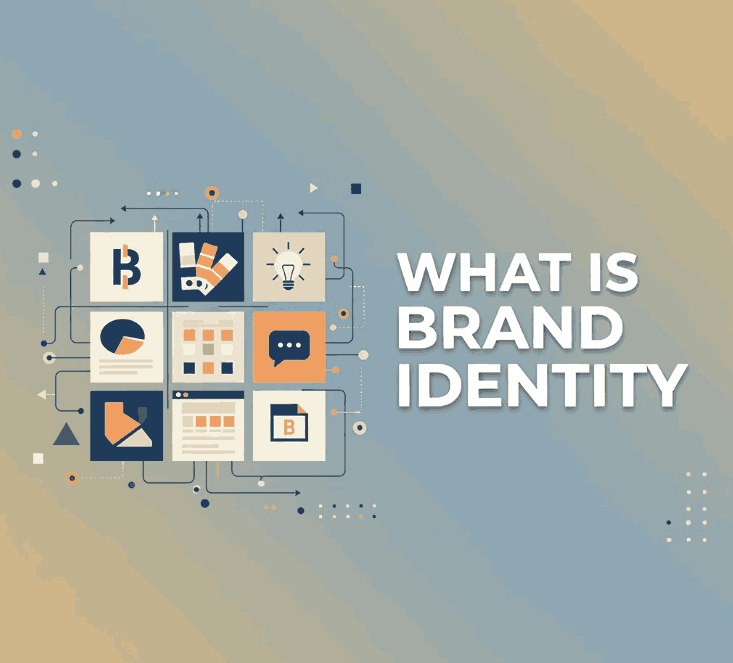
What is Brand Identity

2. Defining Brand Identity

According to the American Marketing Association, brand identity is the visual and symbolic elements that represent a brand. American Marketing Association In simpler terms, it’s how your brand wants to be perceived: its mission, values, visuals, voice, and behaviour. One branding journal describes it as “the unique characteristics that influence a brand’s perceived personality, appearance, and behaviour.”

It’s important to distinguish brand identity from brand image:

  • Brand identity = what you design and present.
  • Brand image = how your audience perceives you.

In other words: you create the identity; the market receives the image.

3. Why Brand Identity Matters

A strong brand identity brings several business and creative benefits:

  • Recognition & differentiation: It helps your brand stand apart from competitors.
  • Consistency & trust: When visual and verbal elements are consistent, people recognise and trust your brand.
  • Emotional connection: A clear identity helps your audience feel aligned with your values and story.
  • Design efficiency: Once identity guidelines are established, every visual decision becomes easier (fonts, colours, imagery).
    For designers and font-makers, brand identity isn’t just a marketing term—it’s the framework within which your products (fonts, graphics, design assets) live.

4. Key Elements of a Strong What is Brand Identity

Brand identity is composed of both visual and verbal/experiential elements. Here are major components often cited:

Visual Elements

  • Logo and wordmark — the anchor of your brand visuals.
  • Colour palette — a set of primary and secondary colours that reflect your brand’s personality.
  • Typography / Fonts — the typefaces your brand uses (headings, body text, display) are a vital identity tool.
  • Imagery and iconography — how your brand uses photos, illustrations, symbols.
  • Graphic style & layout — shapes, patterns, lines that make your visual identity coherent.

Verbal & Experiential Elements

  • Brand story & purpose — why your brand exists and what it stands for.
  • Tone of voice — how your brand “speaks” in writing and messaging.
  • Customer experience & touchpoints — every interaction (website, packaging, social media) reflects identity.
    Altogether, these elements form a system: when used consistently, they create a unified brand identity that your audience recognises and trusts.

5. How Typography & Fonts Shape What is Brand Identity

For a website like CalligraphyFonts.net—where you design, make, and sell fonts—typography plays an especially key role in brand identity. The fonts you create are both product and identity asset.

Here are some of your featured fonts that can embed brand identity in visual form:

  • Overcame Font — Dynamic, expressive script suited for brands that want energy and movement.
  • Creatoria Font — Artistic and refined, ideal for creative agencies or premium products.
  • Outrageous Font — Bold and full of life, for brands that wish to make a statement.
  • Dreamy Loly Font — Soft, whimsical, perfect for lifestyle or creative branding with personality.

Why these matter for What is Brand Identity:

  • Personality: The font choice communicates tone (serious, playful, premium, artisanal).
  • Differentiation: A custom or distinctive font helps your brand stand out and feel unique.
  • Consistency: Using a font family across headings, body text, and visuals ensures consistent look and feel.
  • Level of finish: Quality fonts contribute to perceived professionalism and brand value.

When you incorporate font choices consciously as part of your brand identity (not just as decoration), you strengthen your brand’s visual voice across all touchpoints.

What is Brand Identity

6. Applying What is Brand Identity to Your Design — Practical Tips

Here are practical steps to build, refine and apply brand identity—especially relevant if you’re a designer, creative studio or font business:

  1. Start with strategy: Define your brand’s purpose, target audience, positioning and values. Without this, identity is shape without meaning.
  2. Audit what exists: Look at your current logo, fonts, colours, tone. Are they aligned? Are they consistent?
  3. Select your visual tools:
    • Choose a font family for your brand (e.g., your own font or one you sell).
    • Define primary and secondary colours.
    • Decide on photography or illustration style.
  4. Develop guidelines: Create a brand-style guide that includes fonts, logo usage, spacing, colours, tone of voice, imagery. This helps anyone working with your brand understand how to apply it.
  5. Apply across touchpoints: Website, product packaging, font mockups, social media, email templates. Consistency is key.
  6. Show the fonts in context: When you display your fonts (e.g., Overcame, Creatoria, Outrageous, Dreamy Loly), show how they function in branding scenarios — headlines, logos, signage, etc.
  7. Review and evolve: Markets change, design trends shift. Review your brand identity periodically to ensure it still reflects who you are and where you’re going.
  8. Embed identity in your story: Share not just “what” you do (selling fonts) but “why” you do it—why your fonts matter, how they help other brands express themselves. This narrative strengthens identity.

7. Final Thoughts

What is Brand Identity is far more than a logo—it’s the full expression of your brand’s personality, values, and visual voice. For font creators and designers, leveraging typography as a core part of your identity gives you an edge: you’re not simply selling fonts — you’re enabling identity for other brands and building one for your own.

If you craft your identity with intention—strategy, visuals, voice, typography, consistency—you build a brand that resonates, endures, and stands apart.

8. References

  • The Branding Journal – “What Is Brand Identity?”
  • Investopedia – “Brand Identity: What It Is and How To Build One”
  • Bynder – “The Key Elements of Brand Identity”
  • Canva – “What is Brand Identity (and how to build one)”
  • Marq – “The 7 key elements of brand identity design”
  • SendPulse – “What Is Brand Identity? Elements, Examples”
Posted on

Strong Brand Identity: How to Build a Visual Voice That Resonates

Strong Brand Identity

Table of Contents

  1. Introduction
  2. What is a Brand Identity?
  3. Why a Strong Brand Identity Matters
  4. Key Components of a Strong Brand Identity
  5. How Typography & Fonts Amplify Brand Identity
  6. Practical Steps to Build Your Brand Identity
  7. Maintaining and Evolving Your Brand Identity
  8. Conclusion
  9. References

1. Introduction

In a crowded marketplace where attention is scarce, Strong Brand Identity that stand out are those with a clear, consistent and memorable identity. Whether you’re a designer, a font maker, or a business building products and services, Strong Brand Identity gives you a visual and emotional voice. At CalligraphyFonts.net we understand how critical typography, style, and consistency are—not just in fonts but in the identity of a brand. In this article, we’ll break down what brand identity is, why it matters, and how you can build one — with a special emphasis on how fonts and typography play a powerful role.

2. What is a Brand Identity?

Brand identity isn’t just a logo or a colour palette—it’s the complete set of visual, verbal and experiential elements that convey what your brand stands for and how it wants to be perceived. As defined by Investopedia:

“Brand identity encompasses every way customers experience and perceive a business, from visual elements like logos to customer service interactions and marketing messages.”

In simpler terms: it’s how your brand looks, speaks, feels, and behaves. It includes your mission, values, tone of voice, visual assets, typography, packaging, website, and every touchpoint your audience has with you.

Strong Brand Identity

3. Why a Strong Brand Identity Matters

Here are key reasons why investing in a strong brand identity is essential:

  • Recognition & differentiation. A well-designed identity helps you stand apart from competitors and remain top-of-mind when a customer sees or hears your brand.
  • Trust & consistency. Consistency across touchpoints builds trust; customers come to expect and recognise your brand voice and visual cues.
  • Emotional connection. Branding isn’t just rational—it taps into emotions, values and stories. Brands that resonate emotionally are more memorable.
  • Scalability. As your business grows, a strong identity guides how every new piece (product, packaging, ad, font release) aligns with your core brand.

In short: a strong brand identity is a strategic asset, not just aesthetic.

4. Key Components of a Strong Brand Identity

When building a brand identity, you want to cover both visual and verbal/experiential components. Here are the major pieces:

Visual Identity

  • Logo and symbol: the visual anchor of your brand.
  • Colour palette: a set of primary and secondary colours that reflect your brand’s mood.
  • Typography / fonts: how your brand “speaks” visually in written form — font choices, spacing, weights.
  • Imagery and iconography: photography, illustrations, icons that align with brand personality.
  • Layout and design systems: how elements work together across website, packaging, print, etc.

Verbal & Experiential Identity

  • Brand story and values: what your brand stands for, your mission, vision.
  • Tone of voice & messaging: how your brand communicates (formal vs informal, playful vs serious).
  • Customer experience & touchpoints: how your audience interacts with your brand—from website to customer service.
  • Consistency across channels: every interaction reinforces the identity, otherwise mixed signals undermine trust.

5. How Typography & Fonts Amplify Brand Identity

At CalligraphyFonts.net, we know first-hand how typography is a powerful tool in brand identity. The right font choice can communicate personality, tone, and quality—even before your audience reads the words.

Here are some concrete examples from our own offerings:

  • Overcame Font – a bold, resilient script perfect for brands aiming to evoke strength, triumph and endurance.
  • Shailendra Font – elegant, flowing lines for premium, sophisticated brands.
  • Jalousie – a playful, modern style ideal for creative, youthful brands.
  • Souther Font – classic yet versatile typography to anchor timeless brand identities.

Why fonts matter in brand identity

  • Typography is part of the visual identity toolkit (just like colour, logo) and is often forgotten. Yet studies show font choices influence perceptions of professionalism, creativity, and even price.
  • Fonts help establish mood: a clean sans serif suggests modern, efficient; a handwritten script suggests friendly, artisanal; a serif suggests traditional, trustworthy.
  • Consistent use: once you choose your brand fonts (primary and secondary), you must use them consistently across all channels. Changing fonts randomly dilutes recognisability and credibility.

So when you build your brand identity, treat your font choices as a core asset—not an afterthought.

Strong Brand Identity

6. Practical Steps to Build Your Strong Brand Identity

Here’s a structured approach you can follow:

  1. Define your brand purpose, vision and values
    Ask: Why does the brand exist? What mission drives it? What values guide it?
  2. Research your audience, market and competitors
    Understand who your customers are, what they want, how they talk, what gaps exist in the market.
  3. Develop your visual foundation
    • Choose your logo, colours, typography (fonts), imagery style
    • Decide on primary font(s) – for example, use one font for headings (premium script) and another for body copy (clean sans serif)
    • Build a simple brand style guide with “dos & don’ts”.
  4. Craft your verbal identity & messaging
    • Define tone of voice, key messaging pillars, brand story
    • Create tagline/slogan if needed
  5. Apply your identity consistently across touchpoints
    • Website, social media, packaging, print, signage
    • Use your brand fonts (e.g., Overcame, Shailendra, etc), colours, logo consistently
  6. Roll out internally & train your team/partners
    • Ensure everyone understands your brand identity and knows how to use brand assets correctly.
  7. Monitor, measure, and evolve
    • Track how your brand is recognised, perceived, and used
    • Refresh when necessary to stay relevant (but keep core identity stable)

7. Maintaining and Evolving Your Strong Brand Identity

Building your brand identity is just the beginning—maintaining and evolving it is equally important.

  • Stay consistent: Once you’ve defined your identity, resist random changes. Consistency builds recognition.
  • Audit periodically: Is your identity still relevant to your audience? Has the market changed? Do your fonts, colours, imagery still reflect your brand?
  • Refreshed but recognisable: Brands can evolve—think small tweaks to logo, updated fonts or updated imagery—but avoid a radical change that confuses your audience.
  • Train new team members & partners: As you grow, you’ll have more people touching your brand. Make sure they understand the identity, fonts, assets, style guide.

8. Conclusion

A Strong Brand Identity is far more than aesthetic—it’s the strategic foundation for how your audience perceives, trusts and engages with your brand. By carefully crafting your purpose, visual identity (including the right fonts), and verbal voice—and by applying them consistently—you build recognition, emotional connection, and value. At CalligraphyFonts.net our font designs provide one of the building blocks for that identity, helping you select typography that aligns with your brand’s voice and style. Use the guidance above to define your brand identity and then apply it across every touchpoint, from your website to your next packaging design. The result? A brand that stands out, resonates, and endures.

9. References

  • Canva — “What is brand identity? (and how to build one)”
  • Canva — “Creating a brand style guide: templates, how-to, tips”
  • WareSpace — “Building a Strong Brand for Your Small Business”
  • Forbes — “13 Effective Methods To Help You Build A Strong Brand Identity”