Posted on

Monochrome Color Palette Examples: How to Create Stunning One-Color Designs

Monochrome Color Palette Examples

Table of Contents

  1. Introduction
  2. What Is a Monochrome Color Palette?
  3. Monochrome vs Black and White: Key Differences
  4. Why Designers Love Monochrome Color Palettes
  5. Popular Monochrome Color Palette Examples
  6. Typography’s Role in Monochrome Design
  7. Font Mockup Examples for Monochrome Designs
  8. Tips for Creating Effective Monochrome Designs
  9. Common Mistakes to Avoid
  10. Final Thoughts
  11. References

1. Introduction Monochrome Color Palette Examples

Monochrome Color Palette Examples plays a crucial role in visual communication, but sometimes less truly is more. One of the most powerful and timeless approaches in design is the monochrome color palette. Designers across branding, typography, packaging, and digital media rely on monochrome palettes to create visuals that feel clean, intentional, and emotionally focused.

In this article, we explore Monochrome Color Palette Examples, explain how they work, and show how the right typography—especially high-quality fonts—can elevate monochrome designs to a professional level.
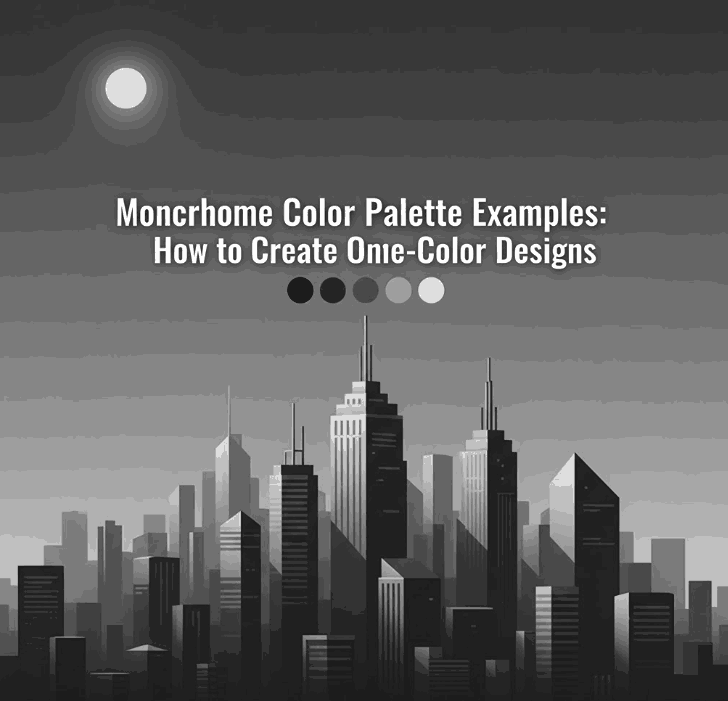
Monochrome Color Palette Examples

2. What Is a Monochrome Color Palette Examples?

A monochrome (or monochromatic) color palette is created using one base color and expanding it through:

  • Tints (color + white)
  • Shades (color + black)
  • Tones (color + gray)

This results in a palette that maintains visual consistency while still offering depth and contrast.

For example:

  • A blue monochrome palette may include navy, royal blue, sky blue, and pale blue
  • A green monochrome palette may include forest green, olive, sage, and mint

3. Monochrome vs Black and White: Key Differences

Many people mistakenly think monochrome means only black and white. In reality:

  • Black and white is just one type of monochrome palette
  • Monochrome can be built from any color

This flexibility makes monochrome palettes ideal for modern branding, editorial layouts, and typography-focused designs.

4. Why Designers Love Monochrome Color Palette Examples

Monochrome palettes remain popular because they offer multiple advantages:

✔ Visual Harmony

Using one color ensures consistency across all design elements.

✔ Strong Brand Identity

Brands using monochrome colors often appear more confident and memorable.

✔ Focus on Form and Typography

Without multiple colors competing for attention, typography and layout shine.

✔ Timeless Aesthetic

Monochrome designs age well and adapt easily across mediums.

✔ Easier Color Decisions

Designers can focus more on concept, spacing, and hierarchy.

5. Popular Monochrome Color Palette Examples

Here are some widely used monochrome palettes in modern design:

Monochrome Black & Gray

  • Editorial layouts
  • Luxury branding
  • Minimalist websites

Monochrome Blue

  • Technology and SaaS brands
  • Corporate identity
  • UI and web design

Monochrome Green

  • Eco-friendly brands
  • Organic products
  • Wellness and lifestyle designs

Monochrome Beige / Brown

  • Craft, handmade, and vintage branding
  • Packaging and labels

Monochrome Red

  • Bold posters
  • Entertainment branding
  • Promotional visuals

Each palette works best when combined with strong typography and thoughtful contrast.

6. Typography’s Role in Monochrome Color Palette Examples Design

In monochrome design, typography becomes the primary visual element. The font’s:

  • Stroke weight
  • Curves
  • Contrast
  • Texture

…all determine how engaging the design feels.

High-quality fonts help:

  • Create hierarchy without extra colors
  • Add emotion and personality
  • Improve readability
  • Strengthen brand perception

This is why premium fonts are essential for monochrome layouts.
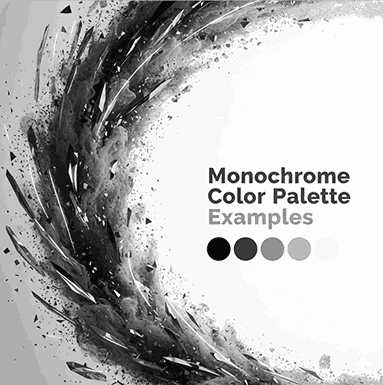
Monochrome Color Palette Examples

7. Font Mockup for Monochrome Color Palette Examples Designs

Below are carefully selected fonts from CalligraphyFonts.net that work exceptionally well in monochrome color palette examples.

1. Belleriana Font

Elegant calligraphy font perfect for monochrome luxury branding, editorial headlines, and premium packaging.

Best for:

  • Monochrome black, navy, emerald palettes
  • Fashion, beauty, and wedding branding

2. Jungle Tribe Font

A bold display font with strong personality that stands out even with a single color.

Best for:

  • Monochrome earthy tones
  • Posters, packaging, and merchandise

3. Monoscreen Modern Display Font

A futuristic display font ideal for clean, modern monochrome digital designs.

Best for:

  • Monochrome gray or blue palettes
  • Tech branding, UI, and web headers

4. Anthonyela Calligraphy Font

A flowing handwritten font that brings elegance and softness to monochrome compositions.

Best for:

  • Monochrome pastel palettes
  • Beauty brands, personal logos, and packaging

8. Tips for Creating Effective Monochrome Color Palette Examples Designs

To get the most out of monochrome color palettes:

  • Use contrast through light and dark tones
  • Combine bold and thin typography
  • Apply spacing and hierarchy carefully
  • Experiment with texture and opacity
  • Avoid flat designs by adding subtle gradients
  • Test readability across screen and print

Typography and composition are the keys to success.

9. Common Mistakes to Avoid Monochrome Color Palette Examples

Even simple palettes can fail if used incorrectly. Avoid these mistakes:

  • Using too little contrast
  • Choosing weak or poorly designed fonts
  • Relying on color alone without hierarchy
  • Ignoring accessibility and readability
  • Overusing decorative fonts

A strong monochrome design is intentional, not accidental.

10. Final Thoughts Monochrome Color Palette Examples

Exploring Monochrome Color Palette Examples is an excellent way to refine your design skills and strengthen visual storytelling. By focusing on one color and pairing it with high-quality typography, designers can create layouts that are elegant, modern, and impactful.

For professional monochrome typography and branding, premium fonts from CalligraphyFonts.net provide the perfect foundation for stunning design results.

11. References

Posted on

What Is a Moodboard? New Guide for Designers and Creatives

What Is a Moodboard

Table of Contents

  1. Introduction
  2. What Is a Moodboard?
  3. Why Moodboards Matter in Creative Projects
  4. Types of Moodboards: Digital vs. Physical
  5. Key Elements of an Effective Moodboard
  6. How to Create a Moodboard Step-by-Step
  7. Best Fonts to Use in Moodboards (With Examples)
  8. Tips for Using Moodboards in Client Projects
  9. Final Thoughts
  10. References

1. Introduction What Is a Moodboard

What Is a Moodboard In the world of visual communication, clarity is everything. Designers, branding specialists, artists, and creative professionals often rely on moodboards to communicate ideas before moving to the execution stage. Whether you’re working on a logo, packaging, website, or social media identity, a moodboard helps transform abstract ideas into a clear visual direction.

This article will explain what a moodboard is, why it matters, how to create one effectively, and which fonts from CalligraphyFonts.net you can use to enhance your moodboard presentation.

2. What Is a Moodboard?

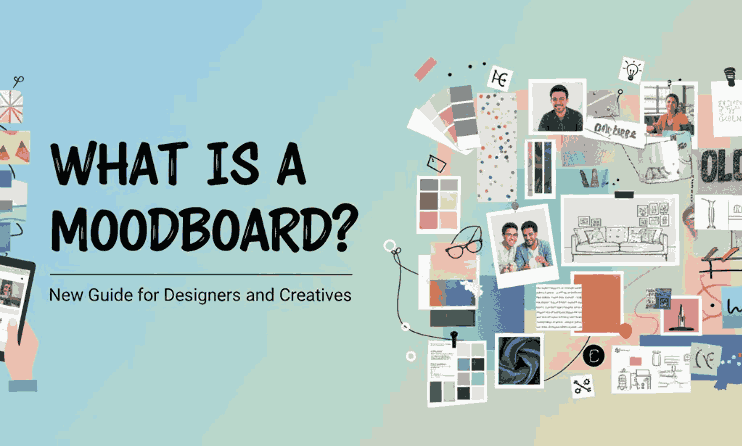
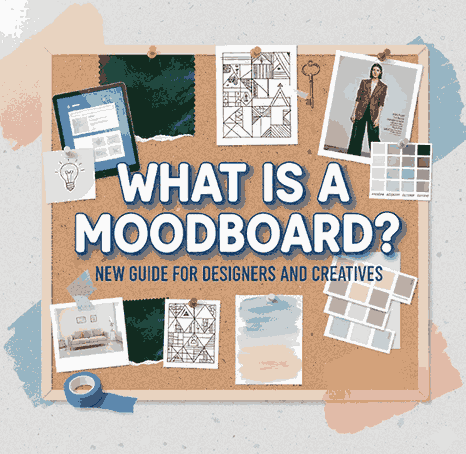
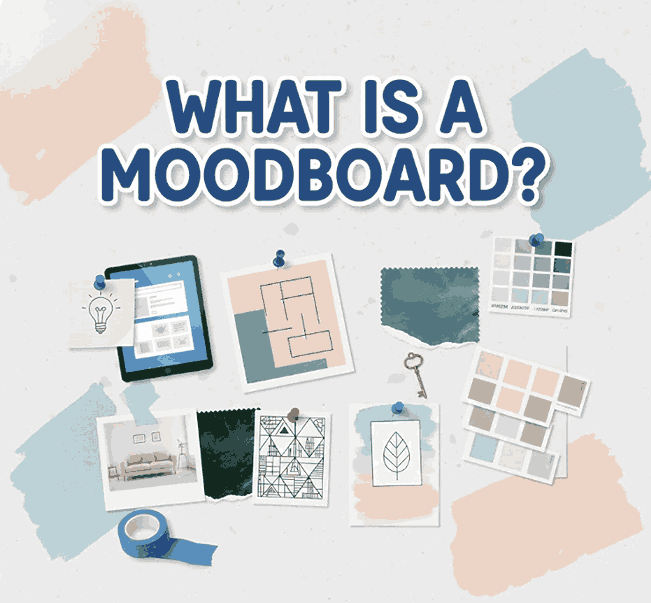
A moodboard is a curated visual collage containing images, colors, typography, textures, patterns, and design inspiration that represent the desired style or concept of a project. It helps communicate the emotional tone (“mood”) and overall aesthetic direction you aim to achieve.

A moodboard acts as a visual brainstorming tool, making it easier to align ideas between designers and clients.

What Is a Moodboard

3. What Is a Moodboard Matter in Creative Projects

3.1. Clarifies Visual Direction

Instead of relying on verbal descriptions, moodboards visually express the atmosphere and style you’re aiming for. Clients understand better and faster.

3.2. Prevents Miscommunication

Design projects commonly fail due to misaligned expectations. A moodboard eliminates this risk by giving a shared point of reference.

3.3. Saves Time and Resources

With a clear visual direction upfront, the design process becomes more efficient, reducing revisions and increasing productivity.

3.4. Boosts Creativity

Moodboards provide inspiration and help spark new ideas that might not emerge through words alone.

4. Types of “What Is a Moodboard”: Digital vs. Physical

4.1. Digital What Is a Moodboard

Digital moodboards are created using software like Canva, Figma, Adobe Illustrator, or Pinterest. They’re flexible, easy to share, and ideal for remote collaboration.

4.2. Physical What Is a Moodboard

These are made using printed materials, magazine cut-outs, fabric samples, or hand-drawn sketches. They provide tactile texture that some designers prefer for fashion, interior, or craft-based projects.

Both types are effective—it all depends on your workflow and project needs.

5. Key Elements of an Effective What Is a Moodboard

Color Palette

Your moodboard should include a consistent color theme that reflects the emotion of the project.

Images/Photography

Photos help convey the style—minimalist, vibrant, vintage, playful, or futuristic.

Typography

Fonts play a key role because they shape a brand’s personality. This is also where your chosen font mockups can shine (see Section 7).

Textures and Patterns

Include fabrics, grids, gradients, geometric shapes, and other visual elements based on your creative direction.

Keywords or Descriptive Notes

Words like “clean”, “elegant”, “retro”, or “bold” help reinforce your concept.

6. How to Create a Moodboard Step-by-Step

Step 1 – Define the Goal

Understand the purpose: branding, packaging, website design, logo creation, advertising, etc.

Step 2 – Research Inspiration

Use Pinterest, design blogs, Behance, or Instagram to gather visuals that express the desired mood.

Step 3 – Collect Visual Elements

Save images, textures, color palettes, icons, and typography samples.

Step 4 – Select Fonts

Choose fonts that express the style you’re going for. Minimalist fonts work for clean concepts; script fonts suit romantic or elegant themes.

Step 5 – Arrange the Layout

Organize your materials in a structured collage. Group similar elements for clarity.

Step 6 – Present to Your Client

Explain each visual choice and how it relates to the final design direction.

Step 7 – Revise if Needed

Refine based on client feedback to ensure alignment.

7. Best Fonts to Use in Moodboards (With Examples)

Typography is one of the most essential elements of any moodboard. To help you create a visually polished presentation, here are recommended fonts from CalligraphyFonts.net:

1. Overcame Font

A clean and modern sans-serif font perfect for bold headings and stylish minimalist concepts.

2. Kawaguchi Font

A geometric sans-serif font ideal for modern, futuristic, or grid-based moodboards. It gives a professional and structured impression.

3. Faint Green Font

A soft and elegant sans-serif with excellent readability. Great for clean branding, lifestyle concepts, and soft mood presentations.

Use these fonts to label sections in your moodboard, create headings, or show typography inspiration for branding projects.

What Is a Moodboard

8. Tips for Using What Is a Moodboard in Client Projects

Be Consistent What Is a Moodboard

Use a consistent color palette and type style to maintain coherence.

Avoid Overcrowding

Only include elements that truly capture the desired direction. Too many visuals make moodboards confusing.

Use High-Quality Images

Clients respond better to polished, high-resolution visuals.

Explain Your Choices

Don’t just show — tell why each element matters. This builds trust and credibility.

Integrate Your Fonts

Show how your own font collection can enhance the branding direction. This also subtly promotes your products.

9. Final Thoughts What Is a Moodboard

A moodboard is more than just a collage — it’s a powerful visual communication tool that helps designers clarify direction, express emotion, and align expectations. Whether you are building a brand identity, crafting packaging, or designing a website, moodboards help set a solid foundation for the creative process.

Using fonts from CalligraphyFonts.net can greatly enhance your moodboard’s professionalism and aesthetic appeal. Incorporate them thoughtfully to communicate style, personality, and design direction clearly.

10. References What Is a Moodboard

Posted on

WPAP Art Style Indonesia: New Geometry of Indonesian Pop Art

WPAP Art Style Indonesia

Table of Contents

  1. Introduction
  2. The Origin of WPAP Art
  3. Who Is Wedha Abdul Rasyid?
  4. Defining the WPAP Art Style
  5. Key Characteristics of WPAP Art
  6. Why WPAP Matters in Indonesian Design
  7. WPAP Art and Typography: A Creative Connection
  8. Recommended Fonts for WPAP-Inspired Projects
  9. Conclusion
  10. References

1. Introduction

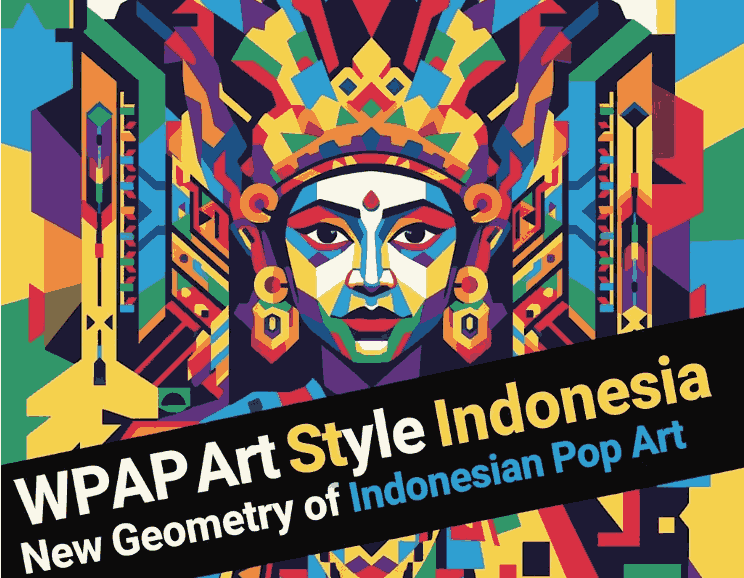
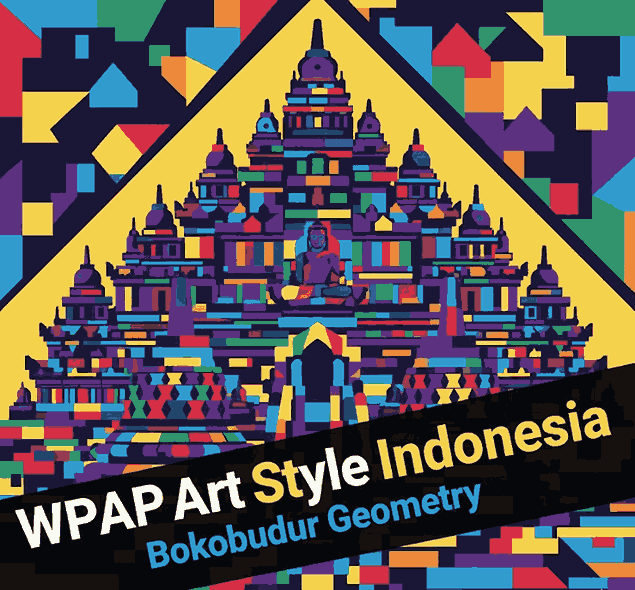
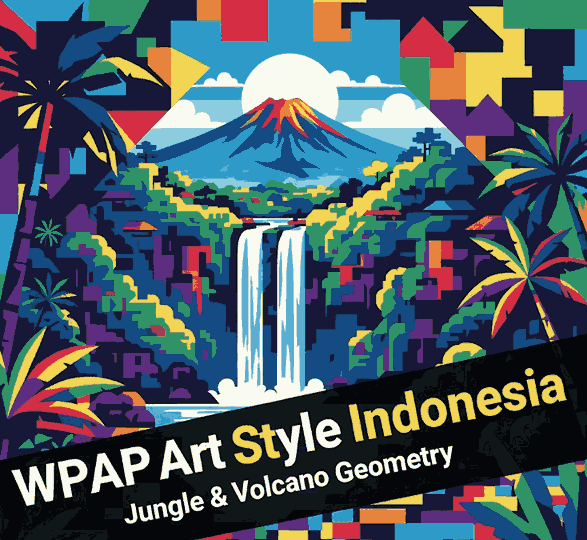
Indonesia has long been a hub for creativity, and one of its most iconic contributions to global design is WPAP Art Style Indonesia—short for Wedha’s Pop Art Portrait. The WPAP art style combines bold colors, sharp geometric shapes, and high-contrast portraits, creating a distinctive visual identity that celebrates individuality and national pride.

In this article, we’ll explore the origins, characteristics, and impact of the WPAP art style from Indonesia, as well as how typography and fonts can complement this dynamic aesthetic.

WPAP Art Style Indonesia

2. The Origin of WPAP Art Style Indonesia

WPAP (Wedha’s Pop Art Portrait) was pioneered by Wedha Abdul Rasyid, an Indonesian illustrator who first introduced the style in the 1990s.
At that time, digital tools were limited, and Wedha sought a new way to create portraits using color segmentation and geometric abstraction.

His experimental approach led to the birth of a new visual language—one that became a symbol of modern Indonesian creativity.
Today, WPAP art has evolved into a globally recognized style used in posters, murals, digital art, and brand design.

3. Who Is Wedha Abdul Rasyid?

Wedha Abdul Rasyid, born in 1951, is often referred to as the father of Indonesian Pop Art.
He began his artistic journey as a magazine illustrator before experimenting with simplifying portraits into flat, colorful planes.
His technique avoided natural shading or gradients—relying purely on geometry and contrast to define faces.

Wedha’s innovation turned into a movement of young digital artists, who adapted WPAP for contemporary mediums like NFTs, music covers, and advertising.

4. Defining the WPAP Art Style Indonesia

The WPAP art style is characterized by:

  • Straight lines and geometric shapes: Every portrait is built using only straight edges—no curves.
  • Vivid color blocks: Bright, contrasting colors replace traditional shading.
  • Abstract yet recognizable portraits: Despite the abstraction, the subject’s identity remains clear.
  • Pop culture influence: WPAP merges the energy of Pop Art with Indonesian creativity.

This combination makes WPAP instantly recognizable and visually striking—ideal for brands or artists wanting bold expression.

5. Key Characteristics of WPAP Art Style Indonesia

Let’s take a closer look at what defines WPAP’s unique visual DNA:

5.1 Geometric Abstraction

Every image is deconstructed into polygons, transforming organic shapes into angular patterns that maintain facial likeness through composition and color.

5.2 Vibrant Color Palette

WPAP thrives on strong, dynamic colors—purples, yellows, blues, and reds—to convey emotion and personality.
No blending or gradients are used—pure contrast drives depth and energy.

5.3 Flat Design Technique

WPAP completely avoids three-dimensional effects, creating a flat yet impactful visual effect that aligns well with modern design trends.

5.4 Cultural Identity

While inspired by Western pop art, WPAP’s spirit is distinctly Indonesian. It symbolizes diversity, vibrancy, and national identity through color and form.

6. Why Matters in WPAP Art Style Indonesia Design

WPAP is more than an art style—it’s a cultural phenomenon.
It represents Indonesia’s ability to innovate within global design languages.
Today, WPAP influences a wide range of creative fields:

  • Advertising and Branding: Used for packaging, posters, and logo concepts.
  • Digital Art and NFTs: Popular among modern illustrators and collectors.
  • Education and Exhibitions: Taught in art schools as a homegrown design innovation.

The WPAP aesthetic continues to bridge traditional portraiture and modern digital design, inspiring new generations of artists.

7. WPAP Art Style Indonesia and Typography: A Creative Connection

Typography plays a vital role in balancing WPAP’s energetic visuals.
While the art focuses on geometry and color, the font choice should either:

  • Complement the sharpness with bold sans-serif fonts, or
  • Contrast it with smooth calligraphic fonts to soften the visual tension.

In branding or poster design, the right typeface enhances the impact and legibility of WPAP artwork.
This is where CalligraphyFonts.net comes in—offering fonts that merge artistic beauty with functional clarity.

WPAP Art Style Indonesia

8. Recommended Fonts for WPAP Art Style Indonesia-Inspired Projects

Here are four stunning fonts that perfectly complement WPAP-style visuals:

  • Black Roll Font – A bold, confident font ideal for titles or logo designs that echo WPAP’s energy.
  • Jungle Queen Font – Adds personality and flair to compositions with vibrant art backgrounds.
  • Classicly Font – Elegant and timeless, perfect for pairing with geometric portraits.
  • Overcame Font – Modern and versatile, great for posters or album covers inspired by pop art.

Each of these fonts embodies a sense of artistic freedom while maintaining readability—perfect for combining with WPAP visuals.

9. Conclusion

The WPAP Art Style Indonesia is a testament to how creativity can transcend boundaries.From Wedha Abdul Rasyid’s pioneering work to its presence in global digital design, WPAP has become a symbol of Indonesian modern art—bold, colorful, and full of character.

By combining WPAP’s geometric power with expressive typography from CalligraphyFonts.net, designers can craft visuals that tell stories, celebrate identity, and captivate audiences worldwide.

10. References

Posted on

Graphic Design Movies for Inspiration: 6 Films Every Designer New Should Watch

Graphic Design Movies Inspiration

Table of Contents

  1. Introduction
  2. Why Designers Should Watch Movies
  3. Top 6 Graphic Design Movies for Inspiration
    • 3.1 Helvetica (2007)
    • 3.2 Objectified (2008)
    • 3.3 The Pixar Story (2007)
    • 3.4 Andy Warhol: A Documentary Film (2006)
    • 3.5 Drew: The Man Behind the Poster (2013)
    • 3.6 Typeface (2009)
  4. How These Films Feed Font & Branding Design Ideas
  5. Connecting Movie Inspiration to Your Font Work
  6. Tips for Watching with Purpose
  7. Conclusion
  8. References

1. Introduction

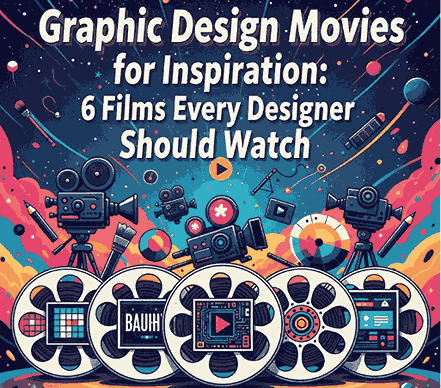
In the world of graphic design, inspiration can come from many sources — a magazine, a street mural, a brand identity— but one of the most under-utilised is film. Movies that explore design, typography, branding, and creative process not only entertain—they expand your visual vocabulary. This article dives into Graphic Design Movies Inspiration, highlighting films that every designer (especially those working on fonts and brand identity) should watch, and showing how you can turn that inspiration into your own font-making and branding work at CalligraphyFonts.net.

Graphic Design Movies Inspiration

2. Why Should Watch Graphic Design Movies Inspiration

Watching design-oriented films gives you three key benefits:

  • Visual mindset: You see how designers think, how they solve problems, how they address constraints.
  • Historical context: Understanding how typography, branding and design evolved helps you design more thoughtfully. For example, see the film Helvetica which examines the influence of the typeface of the same name.
  • Creative stimulus: Sometimes when you’re stuck designing a font or brand mark, stepping into a different medium (film) re-energises your creativity and leads to fresh ideas.

3. Top 6 Graphic Design Movies Inspiration

Here are six carefully selected films that offer great inspiration for font designers and brand creators.

3.1 Helvetica (2007)

A documentary by Gary Hustwit focused on the iconic typeface Helvetica. It explores how this one font has shaped modern visual culture, signage, corporate branding, and how designers reacted to it. this is a must-watch because it raises questions about legibility, style, aesthetics, neutrality, and typography’s role in everyday life.

3.2 Objectified (2008)

Also directed by Hustwit, this film shifts from pure typography into industrial and product design, examining how everyday objects are designed, how form and function meet, and how design influences our environment. While not purely about fonts, the thinking behind design decisions here helps any creative understand how aesthetics, usability and context matter.

3.3 The Pixar Story (2007)

Although this is more about animation and storytelling, it’s rich in design inspiration—character design, colour palettes, branding of a studio, the evolution of a visual identity. Many of the stories in design films point to how visual systems evolve. Watching how a brand like Pixar Animation Studios built its identity from ground up can spark ideas for how to build font families or brand systems.

3.4 Andy Warhol: A Documentary Film (2006)

This film explores the life and works of Andy Warhol—pop-art icon and pioneer of mass-culture visual language. It shows how art, branding and design intersect. the film underlines how visual identity can become cultural identity, how repetition and branding matter, which is powerful when you’re creating fonts that may become part of someone’s brand.

3.5 Drew: The Man Behind the Poster (2013)

Focusing on poster and album-cover designer Drew Struzan (though strictly speaking this film is more film-industry oriented), it’s still relevant because you’ll see how type, layout, colour and composition all come together in a strong visual piece. The insight helps font creators think about how their fonts might live in real usage, not just in isolation.

3.6 Typeface (2009)

A film about the Hamilton Wood Type & Printing Museum, and the craft of wood-type printing, intersecting with modern design and typography. Wikipedia This is especially relevant for your team since you design and sell fonts—seeing the craft and history behind type gives depth to your font-design practice and story.

4. How These Films Feed Font & Branding Design Ideas

When you watch with purpose, you’ll extract ideas like:

  • Understanding how typography influences mood, message, and brand perception (see Helvetica).
  • Thinking about how a font might behave in different contexts—billboards, mobile, web, print (inspired by Objectified).
  • Observing how brands evolve their identity, consistency in usage (seen in The Pixar Story).
  • Considering cultural impact of visual language (from Andy Warhol).
  • Realising that a font may live with imagery, graphics, and context—not just letters (from Drew).
  • Valuing craftsmanship and historic roots of type (from Typeface).

Using these insights, you can create font families that are not only visually appealing, but also conceptually strong—ones that solve design problems, carry meaning, and support brand storytelling.

5. Connecting Graphic Design Movies Inspiration to Your Font Work

At CalligraphyFonts.net, where you design and sell fonts, you can leverage movie-inspired thinking:

  • Create story-driven fonts: Just like Helvetica shows type with a story, you can craft fonts that have a meaningful narrative behind them.
  • Visual context matters: In your product pages, show how fonts work in brand identity, signage, posters, just like in the movies.
  • Use font mockups inspired by cinematic visual style: For example:
  • Show designers how the font could live: Use case studies or mockups showing your fonts in brand movies-style posters or creative visuals.
  • Tell the craft story: Reference the type-making craft as seen in Typeface, to position your fonts as thoughtfully designed, not just quick digital typefaces.
Graphic Design Movies Inspiration

6. Tips for Watching with Purpose Graphic Design Movies Inspiration

  • Take notes: Watch each film with a sketchbook—or digital notes—ready to capture interesting typography, colour palettes, compositions.
  • Pause and analyse: When you see a compelling title sequence, brand logo or typographic detail, pause and break it down: What font (or style) did they use? Why did it work?
  • Apply it: After watching, pick one insight and apply it to your next font-design: e.g., how to build legibility across sizes, how to design for multi-context use.
  • Share with your team: Make watching a design-team activity. Discuss what each film triggered in terms of ideas for your next font collection.
  • Keep a “watch list”: These six are a start; you can add more design-films (documentaries and features) to your list to keep inspiration flowing.

7. Conclusion Graphic Design Movies Inspiration

Inspiration for font designers is everywhere—but films about design bring a unique depth. With the six recommended movies in this article under the theme Graphic Design Movies Inspiration, you’ll gain fresh perspective on typography, brand identity, visual storytelling and design process. At CalligraphyFonts.net, you can channel this inspiration into creating font collections that are not only beautiful, but conceptually rich and brand-ready. Watch with intention, design with passion—and let the visual stories you consume become the fonts you create.

8. References

  • Linearity — “14 must-see graphic design movies you should watch”.
  • Din Studio — “Recommended Graphic Design Movies You Should Watch”.
  • Medium — “A Curated List of Movies and Books For Designers”.
  • Wikipedia Helvetica (film).
  • Wikipedia Typeface (film).
Posted on

ChatGPT for Graphic Designers: New Creativity in the Digital Age

ChatGPT for Graphic Designers

Table of Contents

  1. Introduction
  2. What Is ChatGPT and Why It Matters to Designers
  3. How Graphic Designers Can Use ChatGPT in Their Workflow
  4. Benefits of ChatGPT for Graphic Designers
  5. Real-World Examples and Creative Applications
  6. Recommended Fonts to Complement Your Designs
  7. Final Thoughts
  8. References

1. Introduction ChatGPT for Graphic Designers

In the ever-evolving world of digital design, artificial intelligence (AI) has become a creative partner rather than a competitor. Among the most revolutionary tools today is ChatGPT for Graphic Designers, an AI language model developed by OpenAI. While writers and marketers have embraced it quickly, graphic designers are also discovering its power to inspire ideas, streamline workflows, and push creative boundaries.

This article explores how ChatGPT for graphic designers is shaping a new era of creativity, collaboration, and innovation — and how designers can leverage it to produce stunning results more efficiently.

2. What Is ChatGPT and Why It Matters to Designers

ChatGPT is an AI-powered language model that can generate text, brainstorm concepts, and even simulate creative dialogues. For designers, it acts as a virtual assistant that helps with:

  • Creative idea generation
  • Design brief interpretation
  • Content creation for portfolios and social media
  • Naming, branding, and tagline ideas
  • Visual storytelling inspiration

In the digital age, where time efficiency and creative originality are vital, ChatGPT offers designers an edge by speeding up repetitive tasks and expanding their conceptual thinking.

ChatGPT for Graphic Designers

3. How Can Use ChatGPT for Graphic Designers in Their Workflow

Here are several practical ways graphic designers can incorporate ChatGPT into their creative routine:

a. Brainstorming Design Concepts

Need fresh ideas for a logo or campaign? ChatGPT can generate moodboard descriptions, suggest color palettes, and offer thematic directions — all within seconds.

b. Writing Captions and Brand Copy

Good design often needs compelling words. ChatGPT helps craft engaging captions, slogans, or presentation notes that align with your visual style.

c. Generating Client Briefs and Proposals

Instead of writing project summaries from scratch, you can ask ChatGPT to outline proposals, saving valuable time for creative work.

d. Enhancing Collaboration

ChatGPT can serve as a bridge between designers, clients, and marketing teams by refining language and ensuring design concepts are clearly communicated.

e. Learning and Skill Growth

Designers can ask ChatGPT for quick explanations about typography, color theory, or UX trends — effectively turning it into a 24/7 learning companion.

4. Benefits of ChatGPT for Graphic Designers

Using ChatGPT in your creative process offers multiple advantages:

  • Idea Expansion: Generates diverse perspectives and unique angles.
  • Efficiency Boost: Reduces time spent on administrative and copy tasks.
  • Inspiration Source: Helps overcome creative blocks and generate fresh ideas.
  • Professional Communication: Improves proposals, briefs, and presentation quality.
  • Accessibility: Available anytime, anywhere — a virtual design partner in your pocket.

With the right prompts, ChatGPT becomes not just a tool, but an extension of your creative thinking.

ChatGPT for Graphic Designers

5. Real-World Examples and Creative Applications

  • Logo Design: Use ChatGPT to suggest conceptual themes like “modern minimalism” or “vintage luxury,” then visualize those ideas in your sketches.
  • Social Media Design: Generate catchy captions or ad copy that perfectly matches your visuals.
  • Branding Projects: Brainstorm brand values, tone of voice, and style guides collaboratively with the AI.

To see how fonts can elevate such creative work, explore these unique font mockups from Calligraphy Fonts:

  • Ravenously Font – Bold and energetic, perfect for streetwear and creative branding.
  • Barley Round Font – A rounded display font for modern, friendly visuals.
  • Hashtag Trend Font – Trendy and dynamic, ideal for tech and digital themes.
  • Overcame Font – A stylish brush font suited for motivational or artistic projects.

These fonts pair beautifully with AI-driven design workflows — adding personality and human touch to digitally inspired creations.

6. Recommended Fonts to Complement Your ChatGPT for Graphic Designers

When blending AI tools like ChatGPT with your creative process, choosing the right font helps communicate your vision effectively.
Here’s how you can use them:

  • ChatGPT-generated branding ideas → visualize with Hashtag Trend Font.
  • AI-inspired motivational posters → use Overcame Font.
  • Concept presentation decks → pair Barley Round Font for readability.
  • Urban design projects → apply Ravenously Font for bold impact.

Each font reflects a distinct tone and emotion — allowing designers to keep the “human feel” in AI-assisted projects.

7. Final Thoughts

The fusion of ChatGPT and graphic design represents a new frontier of creativity. Rather than replacing artists, AI enhances their capacity to think, experiment, and communicate. Designers who embrace ChatGPT can unlock higher productivity, fresher ideas, and greater storytelling potential.

In short: ChatGPT empowers designers to create smarter, faster, and more creatively.

8. References

To increase your article’s authority, link to these reputable sources:

Posted on

Creative Thinking Habits: Unlocking Your Everyday New Innovation in 2025

Creative Thinking Habits

Table of Contents

  1. Introduction
  2. Understanding Creative Thinking
  3. Why Habits Shape Your Creativity
  4. Daily Habits That Boost Creative Thinking
  5. The Role of Environment and Design
  6. How Fonts Influence Creativity
  7. Final Thoughts
  8. References

1. Introduction

Creative Thinking Habits is not just a gift reserved for artists, designers, or inventors — it’s a habit that anyone can develop. Whether you’re designing a new product, writing, or managing a business, Creative Thinking Habits can help you unlock new ideas and approach problems from fresh perspectives.

In this article, we’ll explore how small daily habits can improve your creative process, and how visual design elements — like typography — can enhance Creative Thinking Habits and emotional connection.

2. Understanding Creative Thinking Habits

Creative thinking involves seeing patterns, making unexpected connections, and transforming simple ideas into innovative solutions. It’s the ability to think beyond the obvious and to challenge conventional assumptions.

Modern psychology defines creative thinking as a combination of divergent thinking (generating many unique ideas) and convergent thinking (narrowing down to the most effective solution).
According to Harvard Business Review, creativity flourishes when people allow themselves freedom to experiment and make mistakes — the essence of growth and innovation.

Creative Thinking Habits

3. Why Shape Your Creative Thinking Habits

Your mind thrives on repetition and structure. The way you start your day, the spaces you create, and the routines you maintain directly influence how easily creative thoughts flow.

Here are key reasons why habits matter:

  • Consistency builds creative stamina. Regular creative routines keep your mind flexible and resilient.
  • Small habits reduce mental barriers. By forming routines like journaling or doodling, you lower the pressure of “having to be creative.”
  • Positive repetition creates momentum. Each small action compounds, turning creativity into a natural part of your identity.

4. Daily Habits That Boost Creative Thinking Habits

Here are proven habits that can help you nurture your creativity:

1. Morning Mindset Reset

Start your day with mindfulness or journaling. Write down ideas, even unfinished ones — your subconscious will develop them later.

2. Surround Yourself with Inspiration

Design a workspace that sparks curiosity. Use textures, colors, and typography that make you feel creative.

Try experimenting with beautiful typefaces to enhance your workspace visuals:

  • Super Dreamer Font – perfect for motivational posters or quotes.
  • Hashtag Trend Font – ideal for modern social media projects.
  • Overcame Font – strong, inspiring, and perfect for branding that reflects resilience.
  • Kidsway Font – playful and imaginative, great for children’s projects or fun brainstorming visuals.

3. Practice Divergent Creative Thinking Habits

Set aside 10 minutes daily for free-flow brainstorming. Write or sketch as many ideas as possible, no matter how unrealistic.

4. Limit Distractions

Turn off notifications during your creative time. Protect your “deep work” sessions — even 30 minutes of focused thinking can make a difference.

5. Reflect and Reframe

Before ending your day, reflect on what you created. Reframing mistakes as “creative experiments” helps build confidence and persistence.

5. The Role of Environment and Design

Your environment plays a crucial role in shaping creative thinking. Studies from Stanford University show that creative performance increases by up to 60% in well-designed, aesthetically pleasing spaces.

Adding meaningful visuals like inspiring fonts, artwork, or color palettes can influence your emotions and cognitive flexibility. Typography, in particular, communicates tone, mood, and emotion — turning ideas into tangible forms of self-expression.

Creative Thinking Habits

6. How Fonts Influence Creative Thinking Habits

Fonts are more than just letters — they are visual voices. The typefaces you choose can set the mood for your creative process. For example:

Using different fonts can help you “shift creative gears.” When brainstorming, a playful font can loosen your mindset, while a bold, structured one can push you toward clarity and execution.

Typography is an underrated creativity tool — and incorporating it into your visual projects can enhance emotional resonance and design depth.

7. Final Thoughts

Developing creative thinking habits isn’t about waiting for inspiration — it’s about building consistent practices that invite it.
By cultivating curiosity, maintaining a positive mindset, and surrounding yourself with inspiring visuals (like stunning fonts from Calligraphy Fonts), you create the perfect foundation for continuous creative growth.

Remember: creativity grows through action. Start small, stay curious, and let your habits shape your imagination.

8. References

Posted on

Ultimate Monospaced Fonts Use Cases Every Designer Must Know

Monospaced fonts use cases

Table of Contents

  1. Introduction to Monospaced Fonts
  2. Key Features of Monospaced Fonts
  3. Monospaced Fonts Use Cases
    • 3.1 Coding and Programming
    • 3.2 UI and Digital Interfaces
    • 3.3 Data Tables and Reports
    • 3.4 Branding and Creative Projects
  4. Top Monospaced Fonts Examples
  5. How to Choose the Right Monospaced Font
  6. Conclusion

1. Introduction to Monospaced Fonts Use Cases

Monospaced fonts use cases. Monospaced fonts are typefaces where each character occupies the same horizontal space. Unlike proportional fonts, where characters like “i” are narrower than “m”, monospaced fonts maintain uniform width.

This feature makes them highly readable for technical applications and visually structured designs. Monospaced fonts are not only practical but can also be stylish and versatile in modern design.

2. Key Features of Monospaced Fonts Use Cases

  • Uniform spacing: Every character aligns perfectly, which enhances readability in structured formats.
  • Legibility: Ideal for technical content where precision matters, like coding or tabular data.
  • Retro and minimalist appeal: Often evoke typewriter aesthetics, adding a vintage or clean look.
  • Versatility: Can be used for both digital and print applications.
Monospaced fonts use cases

3. Monospaced Fonts Use Cases

3.1 Coding and Programming

Monospaced fonts are the default choice for developers because uniform spacing makes it easy to detect errors and maintain alignment in code. Popular programming fonts include Courier New, Fira Code, and JetBrains Mono.

  • Benefits:
    • Easy differentiation of characters like 1, l, and I
    • Consistent alignment for nested code blocks
    • Better readability in IDEs and terminals

Reference: Smashing Magazine – Best Fonts for Developers

3.2 UI and Digital Interfaces

Monospaced fonts are also widely used in user interfaces, especially in dashboards, calculators, and data-driven applications. Their uniform spacing ensures that numeric and tabular data align perfectly.

Example: Financial apps and calculators often rely on monospaced digits to avoid misreading numbers.

Reference: UX Collective – My Favorite Monospaced Fonts

3.3 Data Tables and Reports

For printed or digital reports, monospaced fonts make tables and data grids visually structured. Columns line up naturally, reducing errors in reading or interpreting data.

  • Applications include:
    • Financial statements
    • Scientific research papers
    • Statistical reports

Reference: Typewolf – Guide to Monospaced Fonts

3.4 Branding and Creative Projects

Beyond technical applications, monospaced fonts are gaining popularity in branding, packaging, and creative designs. They can provide a retro, minimalist, or tech-savvy aesthetic depending on the font style.

  • Examples of creative applications:
    • Modern logos
    • Posters and flyers
    • Typographic artwork

4. Top Monospaced Fonts Use Cases Examples

Here are some examples of monospaced fonts you can explore and purchase for creative use:

  • Mode Center Font – Modern and clean monospaced design suitable for coding and branding.
  • Cyranie Zalie Font – Elegant monospaced font ideal for digital content and creative projects.
  • Claina Vanie Font – High-contrast monospaced display font perfect for editorial and luxury branding.
Monospaced fonts use cases

5. How to Choose the Right Monospaced Font

When selecting a monospaced font, consider:

  • Purpose: Coding, interface design, or creative project?
  • Readability: Check the legibility of characters in different sizes.
  • Style: Choose fonts that complement your brand aesthetics.
  • Licensing: Ensure you comply with commercial or personal use terms.

6. Conclusion

Monospaced fonts are versatile tools for designers, developers, and creative professionals. From coding and interface design to branding and creative artwork, their consistent spacing ensures precision, readability, and style.

By exploring the monospaced fonts use cases and top font examples, you can choose the perfect typeface to enhance your projects with structure, elegance, and readability.