Posted on

Lorem Ipsum Latin Origin Explained: History & New Typography Significance

Lorem Ipsum Latin Origin

Table of Contents

  1. What Is Lorem Ipsum?
  2. The Latin Origin of Lorem Ipsum
  3. Why Lorem Ipsum Became the Standard Dummy Text
  4. Lorem Ipsum in Typography and Design
  5. Choosing the Right Font for Lorem Ipsum Mockups
  6. Font Mockup Examples from CalligraphyFonts.net
  7. Is Lorem Ipsum Still Relevant Today?
  8. Final Thoughts

1. What Is Lorem Ipsum Latin Origin?

Lorem Ipsum Latin Origin is a placeholder or dummy text commonly used in design layouts to simulate real content. Its primary purpose is to allow designers and clients to focus on visual structure, typography, spacing, and hierarchy without being distracted by meaningful text.

Unlike random filler text, Lorem Ipsum resembles natural language, making layouts feel realistic while remaining neutral.

2. The Lorem Ipsum Latin Origin

Understanding the Lorem Ipsum Latin origin requires going back nearly 2,000 years.

The text originates from a work by the Roman philosopher Cicero, written in 45 BC, titled “De Finibus Bonorum et Malorum” (On the Ends of Good and Evil). The phrase “Lorem ipsum dolor sit amet” is derived from a scrambled section of this philosophical treatise.

Although the text has been altered and rearranged over time, its classical Latin roots give it a balanced rhythm and natural letter distribution—one of the reasons it works so well in typography testing.

Lorem Ipsum Latin Origin

3. Why Lorem Ipsum Latin Origin Became the Standard Dummy Text

Lorem Ipsum gained popularity in the printing industry during the 1500s, when typesetters needed sample text to demonstrate fonts and layouts. Its advantages include:

  • It looks like readable text without conveying meaning
  • It has a natural distribution of letters and word lengths
  • It avoids reader distraction
  • It works across languages and cultures

These qualities made Lorem Ipsum ideal for showcasing typography—long before digital design existed.

4. Lorem Ipsum Latin Origin in Typography and Design

In modern design, Lorem Ipsum plays a crucial role in:

  • Web and UI mockups
  • Editorial layouts
  • Branding presentations
  • Font previews and specimen sheets

Typography designers often use Lorem Ipsum to test:

  • Readability
  • Line spacing
  • Kerning and tracking
  • Font personality

Because of its Latin structure, Lorem Ipsum highlights the true characteristics of a typeface without semantic bias.

5. Choosing the Right Font for Lorem Ipsum Latin Origin Mockups

When presenting Lorem Ipsum, font choice matters more than many designers realize. The right typeface can:

  • Enhance readability
  • Reflect brand tone
  • Demonstrate hierarchy clearly
  • Elevate overall presentation

Using clean, well-designed fonts helps clients and audiences evaluate layouts objectively—just as Lorem Ipsum intends.

Lorem Ipsum Latin Origin

6. Font Mockup Examples from CalligraphyFonts.net

Here are excellent font choices from CalligraphyFonts.net that pair beautifully with Lorem Ipsum for mockups and typography demonstrations:

Ravenously Font

A modern sans serif font with strong structure and clarity—perfect for showcasing Lorem Ipsum in UI, web, and editorial layouts.

Healing Time Font

Minimal, professional, and highly readable. This font works exceptionally well for body text mockups using Lorem Ipsum.

Dreamy Lanie Font

A clean display sans serif that adds personality while maintaining readability—ideal for headlines and featured Lorem Ipsum samples.

Madame Grettha Font

An elegant serif font that complements the classical Latin roots of Lorem Ipsum, making it ideal for editorial and book-style layouts.

These fonts allow designers to demonstrate how different typographic styles influence perception—even when using the same placeholder text.

7. Is Lorem Ipsum Still Relevant Today?

Despite modern alternatives like real content previews or AI-generated text, Lorem Ipsum remains relevant because it:

  • Preserves design neutrality
  • Saves time during early design stages
  • Works universally across industries
  • Helps focus attention on layout and typography

Its historical legacy combined with modern usability ensures it remains a timeless design tool.

8. Final Thoughts

The Lorem Ipsum Latin origin connects modern design practices with ancient philosophy, making it one of the most fascinating tools in visual communication. More than just dummy text, Lorem Ipsum is a bridge between history, typography, and contemporary design workflows.

By pairing Lorem Ipsum with high-quality fonts from CalligraphyFonts.net, designers can create professional, realistic mockups that showcase typography at its best—without distraction.

References

Posted on

Art Deco Graphic Design: New Elements and Modern Use Cases

Art Deco Graphic Design

Table of Contents

  1. Introduction to Art Deco in Modern Design
  2. What Is Art Deco Graphic Design?
  3. Historical Origins of Art Deco Visual Language
  4. Key Visual Elements of Art Deco
  5. Why Art Deco Continues to Influence Designers
  6. Art Deco Typography Characteristics
  7. Recommended Art Deco Fonts from CalligraphyFonts.net
  8. Best Uses of Art Deco Style in Modern Branding
  9. Tips for Creating Authentic Art Deco Designs
  10. Final Thoughts
  11. References & Authority Sources

1. Introduction to Art Deco Graphic Design Modern

A century after its rise during the early 20th century, Art Deco continues to shape contemporary graphic design and branding. Defined by elegant geometry, dramatic ornamentation, and metallic luxury aesthetics, Art Deco Graphic Design appeals to modern audiences because it blends nostalgia with futuristic sophistication.

Today, many designers apply Art Deco characteristics to create visual identity systems that feel refined, bold, and timeless. Its structured compositions and luxurious visual cues work well for digital and print branding alike.

Art Deco Graphic Design

2. What Is Art Deco Graphic Design?

Art Deco Graphic Design refers to visual communication rooted in the Art Deco movement, which thrived globally in the 1920s–1940s. The style represents progress, luxury, and bold modernism. It frequently incorporates geometric motifs, symmetry, sunbursts, metallic highlights, and decorative typography.

This design approach emerged as a reaction to industrialization—merging mechanical precision with ornamental beauty.

3. Historical Origins of Art Deco Graphic Design Visual Language

Art Deco was first introduced at the Paris Exposition of 1925, and quickly spread through architecture, product design, fashion, and graphic arts.

Influences included:

  • Cubism
  • Futurism
  • Bauhaus
  • Egyptian revival motifs
  • Jazz Age culture

During the 1930s, Art Deco shaped movie posters, travel advertisements, publications, and product packaging, helping define visual modernity for decades to come.

4. Key Visual Elements of Art Deco Graphic Design

Art Deco designs can be recognized through specific characteristics, including:

  • Symmetry and precise geometry
  • Strong vertical orientation
  • Sharp angular lines and repetitive patterns
  • High contrast shapes
  • Metallic or monochrome palettes
  • Radiating arches & sunbursts
  • Ornamental border framing
  • Tall condensed fonts

These elements work together to communicate elegance, luxury, and technological optimism.

5. Why Art Deco Graphic Design Continues to Influence Designers

Art Deco remains popular in graphic branding because it conveys:

  • exclusive luxury
  • timeless refinement
  • elegant modern minimalism
  • dramatic visual hierarchy
  • bold artistic personality

Luxury hotels, beauty brands, jewelry, high-end event venues, editorial publications, and interior designers frequently employ Art Deco motifs.

It helps build brand perception while elevating aesthetic value.

6. Art Deco Graphic Design Typography Characteristics

Typography is a primary identifier of Art Deco style. Letterforms often display:

  • tall vertical proportions
  • geometric and symmetrical strokes
  • dramatic contrast between thick and thin forms
  • minimal curves mixed with angular flare
  • condensed widths suited for signage

These features make Art Deco fonts ideal for:

  • headlines
  • logo display text
  • magazine title plates
  • posters
  • packaging
Art Deco Graphic Design

7. Recommended Art Deco Fonts from CalligraphyFonts.net

Below are premium fonts chosen for mockup examples, ideal for illustrating Art Deco applications in your blog post.

1. Secret Come Font

Elegant serif letterforms evoke premium vintage aesthetics.

2. Mode Center Font

Clean, stylized geometry suited for modern Art Deco headlines.

3. Quillbacks Font

Decorative serif strokes support ornamental compositions.

4. Ameralda Font

Strong luxury presence perfect for brand identity and signage.

Using display fonts with geometric geometry and stylized balance reinforces Art Deco’s classic visual signatures.

8. Best Uses of Art Deco Style in Modern Branding

Designers apply Art Deco visual languages in various branding applications:

  • Beauty & fashion labels
  • Luxury hotels and real estate
  • Jewelry packaging and boutique identity
  • Wedding invitations and event graphics
  • Film, theatre, and music poster layouts
  • Vintage revival brand campaigns

These use cases reflect the style’s ability to attract sophisticated audiences while maintaining design clarity and structure.

9. Tips for Creating Authentic Art Deco Designs

To build accurate Art Deco visuals:

✔ Use gold, black, navy, ivory, or emerald palettes
✔ Apply symmetrical and grid-based layouts
✔ Incorporate geometric motifs such as arches, triangles, sunbursts
✔ Choose tall display fonts with structural precision
✔ Use thick borders and repeating linear or radial patterns

Combining geometry and elegance produces results aligned with Art Deco identity.

10. Final Thoughts

Art Deco Graphic Design remains a timeless influence in branding and advertising. Its symmetry, contrast, and exclusive typography feel modern even today.

Designers who want to express sophistication and bold style can apply Art Deco principles—especially through carefully selected fonts—to create memorable visuals for contemporary projects.

Premium display fonts from CalligraphyFonts.net offer ideal tools to achieve authentic Art Deco expression across industries and media formats.

11. References

  • Wikipedia — Art Deco
  • Linearity — Arts Décoratifs: the history of Art Deco
  • Din Studio — Discover Art Deco : A Graphic Design Style
  • Movink Graphic — Art Deco Graphic Design Characteristics, History, and More
Posted on

Graphic Design Specializations: A Complete Guide for Modern Creatives

Graphic Design Specializations

Table of Contents

  1. Introduction
  2. What Are Graphic Design Specializations?
  3. Why Specialization Matters in Today’s Creative Industry
  4. 10 Most Common Graphic Design Specializations
    • 4.1 Branding & Visual Identity
    • 4.2 Logo Design
    • 4.3 UI/UX & Digital Product Design
    • 4.4 Web Design
    • 4.5 Illustration & Character Design
    • 4.6 Motion Graphics
    • 4.7 Advertising & Marketing Design
    • 4.8 Packaging Design
    • 4.9 Editorial & Publication Design
    • 4.10 Environmental & Spatial Design
  5. Recommended Fonts from CalligraphyFonts.net
  6. Final Thoughts
  7. References

1. Introduction Graphic Design Specializations

Graphic Design Specializations has evolved into a diverse and dynamic industry, offering countless opportunities for creatives with different skill sets. Whether you enjoy bold visual communication, digital interfaces, brand storytelling, or packaging aesthetics, there is a specialization tailored for your strengths.

In this article, we explore the most common graphic design, their roles, and how they shape modern design projects. If you want to choose a niche or strengthen your career direction, this guide will help you understand where your skills fit best.

Graphic Design Specializations

2. What Are Graphic Design Specializations?

Graphic design refer to specific categories or branches within the field of design. Each specialization focuses on a unique creative function—such as branding, illustration, UI/UX, or packaging—and requires a particular set of skills, tools, and visual approaches.

Specialization helps designers stand out, offer deeper expertise, and create more impactful work.

3. Why Graphic Design Specializations Matters in Today’s Creative Industry

Today’s digital landscape demands designers who are not only creative but also highly skilled in a specific area. Companies and clients look for specialists who understand niches deeply—whether it’s user interface design, brand identity creation, or motion graphics.

Key benefits of Specializations:

  • Higher expertise and credibility
  • Clearer portfolio direction
  • Better positioning for high-value projects
  • Easier personal branding as a designer
  • Efficient workflow through mastery of tools and methods

4. 10 Most Common Graphic Design Specializations

4.1 Branding & Visual Identity

This specialization focuses on shaping how a brand is perceived. Designers create visual systems including logos, typography, color palettes, and brand guidelines.

Key Responsibilities:

  • Brand identity creation
  • Visual consistency across platforms
  • Mood boards & concept development

4.2 Logo Graphic

Logo designers concentrate on symbols, marks, and icons that represent a brand. They understand shape psychology, simplicity, and timeless visual communication.

Skills Needed:

  • Typography mastery
  • Symbolism & visual meaning
  • Minimalist composition

4.3 UI/UX & Digital Product Graphic Design Specializations

This specialization improves digital experiences on apps, websites, dashboards, or software.

UI/UX designers focus on:

  • User-centered design
  • Interactive layouts
  • Digital prototypes
  • Information architecture

4.4 Web Graphic Design Specializations

Web designers create visually appealing and functional website layouts. They work with grids, responsive design, typography, and visual hierarchy.

Tasks Include:

  • Homepage layout
  • Landing page design
  • WordPress design
  • Visual mockups

4.5 Illustration & Character

Illustrators create custom artwork used in books, branding, packaging, social media, and motion design.

Applications:

  • Children’s books
  • Mascots
  • Brand illustrations
  • Animated characters

4.6 Motion Graphic Design Specializations

Motion designers create moving visuals for marketing videos, explainer animations, intros, and digital ads.

Key Tools: After Effects, Blender, Cinema4D.

4.7 Advertising & Marketing Graphic Design Specializations

Designers in this field create visuals that persuade or promote products and services.

Examples:

  • Posters
  • Billboards
  • Social media ads
  • Product campaigns

4.8 Packaging Design

Packaging designers combine layout, structure, branding, and consumer psychology to create physical product packaging.

Common Works:

  • Food packaging
  • Cosmetic boxes
  • Bottle labels
  • Retail products

4.9 Editorial & Publication

This specialization focuses on magazines, books, brochures, and layout-heavy documents.

Tools: Adobe InDesign, Affinity Publisher.

4.10 Environmental & Spatial

This field involves creating graphics for physical spaces.

Examples:

  • Wayfinding systems
  • Exhibition design
  • Storefront graphics
  • Wall murals
Graphic Design Specializations

5. Recommended Fonts from CalligraphyFonts.net

To enhance the visual examples in your article, here are curated fonts from your website that fit the topic:

1. Overcame Font

A modern sans serif ideal for branding, UI design, and visual identity samples.

2. Faint Green Font

Perfect for editorial and publication design due to its clean and readable structure.

3. Pictorial Style Font

A creative, expressive font suitable for illustration and artistic design samples.

4. Monoscreen Modern Font

A futuristic display font, great for UI/UX or tech-related graphics.

6. Final Thoughts Graphic Design Specializations

Graphic design is a vast field, and understanding its many specializations can help designers build a strong, focused career. Whether you prefer the strategic nature of branding, the precision of UI/UX, or the creativity of illustration, there is a niche that fits your passion.

By mastering one or two specializations—and using high-quality fonts such as those available on CalligraphyFonts.net—designers can elevate their portfolio and attract better clients.

7. References

  1. Interaction Design FoundationWhat is UI/UX Design?
  2. Din Studio – The 8 Most Common Types of Graphic Design
  3. Number Analytics Mastering Graphic Design Specializations
Posted on

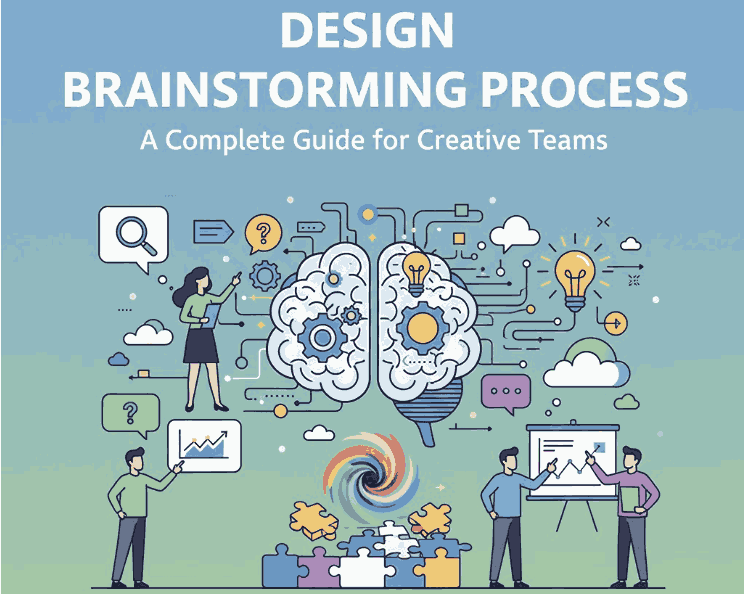
Design Brainstorming Process: A Complete Guide for Creative Teams

Design Brainstorming Process

Table of Contents

  1. Introduction
  2. What Is the Design Brainstorming Process?
  3. Why Brainstorming Matters in Creative Projects
  4. Key Stages of the Design Brainstorming Process
    • 4.1 Preparation
    • 4.2 Idea Generation
    • 4.3 Idea Evaluation
    • 4.4 Refinement & Selection
    • 4.5 Execution
  5. Best Techniques for Effective Design Brainstorming
  6. How Typography Supports the Brainstorming Workflow
  7. Recommended Fonts for Brainstorming Mockups
  8. Tips to Improve Your Brainstorming Sessions
  9. Conclusion
  10. References

1. Introduction

Design Brainstorming Process is an essential step in every creative workflow. Whether you are building a brand identity, designing a website, or crafting digital assets, brainstorming helps teams generate ideas, explore visual directions, and discover solutions that push creativity forward.

This article will guide you through the entire brainstorming process, explain why it is important, share effective brainstorming techniques, and show how typography plays a vital role—complete with recommended fonts from CalligraphyFonts.net.

Design Brainstorming Process

2. What Is the Design Brainstorming Process?

The design brainstorming process is a structured method of generating, evaluating, and refining creative ideas for a design project. It allows designers, teams, or clients to explore concepts freely without judgment, encouraging innovation and unexpected creative outcomes.

Unlike ordinary idea collection, design brainstorming focuses on visual thinking, such as sketching, mood boards, typography experiments, mockups, color exploration, and rapid concept drafts.

3. Why Design Brainstorming Process Matters in Creative Projects

Brainstorming is not just a meeting—it is a strategic tool that improves your design work in several ways:

✔ Encourages Idea Diversity

A structured brainstorm allows participants to share ideas without limitation, resulting in wider creative options.

✔ Solves Problems Faster

Visual ideation helps reveal design issues early and speeds up creative decision-making.

✔ Boosts Creativity & Innovation

Brainstorming breaks mental blocks and encourages designers to think beyond predictable solutions.

✔ Strengthens Team Communication

Collaborative brainstorming aligns vision between designers, marketers, and clients.

✔ Leads to Stronger Visual Identity

Brainstorming helps designers unify typography, layout, color, and brand style in a purposeful way.

4. Key Stages of the Design Brainstorming Process

4.1 Preparation

This is where you define the project scope, design objectives, user needs, and brand direction. Designers gather:

  • brand guidelines
  • color palettes
  • competitor analysis
  • inspirational references
  • target audience insights

4.2 Idea Generation

The fun part. Designers generate as many ideas as possible through:

  • sketching
  • freewriting
  • mood boarding
  • rapid prototyping
  • typography exploration
  • keyword mapping

No judgment—just creativity.

4.3 Idea Evaluation

Next, filter ideas to see which concepts align with project goals. Evaluate based on:

  • brand consistency
  • audience appeal
  • visual clarity
  • originality
  • practicality

4.4 Refinement & Selection

Promising ideas are refined into clearer visual concepts. Designers improve:

  • layout
  • typography choices
  • color combinations
  • iconography
  • illustration style

This stage transforms rough ideas into focused visual directions.

4.5 Execution

The final designs are created based on the refined concepts. This includes:

  • high-fidelity mockups
  • final typography
  • color adjustments
  • asset preparation
  • client-ready presentations
Design Brainstorming Process

5. Best Techniques for Effective Design Brainstorming Process

Use these proven techniques to elevate your brainstorming:

✔ Mind Mapping Design Brainstorming Process

Helps connect ideas visually and explore unexpected directions.

✔ SCAMPER Method Design Brainstorming Process

Substitute, Combine, Adapt, Modify, Put to another use, Eliminate, Reverse.

✔ Mood Boards Design Brainstorming Process

Great for exploring design style, aesthetics, fonts, and imagery.

✔ Sketch Storming Design Brainstorming Process

Rapid sketching pushes visual exploration early.

✔ Brain Writing Design Brainstorming Process

Team members write ideas silently—avoids group pressure.

✔ Typography Experimentation Design Brainstorming Process

Trying different typefaces quickly reveals brand personality.

6. How Typography Supports the Design Brainstorming Process Workflow

Typography is often a key element during the brainstorming stage. The right font can help define:

  • tone and personality
  • visual hierarchy
  • emotional impact
  • brand consistency

Using expressive styles—script, signature, brush, and calligraphy—can make brainstorming mockups feel more alive and inspiring. This is why designers often use premium display fonts early in ideation to visualize strong identity concepts.

7. Recommended Fonts for Design Brainstorming Process Mockups

Here are four font suggestions from CalligraphyFonts.net that work beautifully for design brainstorming presentations, mood boards, and mockups:

1. Rellative Font (Signature Style)

Elegant, modern, and expressive—perfect for branding and concept sketches.

2. Signatory Signature Font

A stylish handwritten font ideal for ideation notes, creative headers, and mood boards.

3. Holters Font

A bold, expressive brush font that brings energy to brainstorming visuals.

4. Anthonyela Calligraphy Font

A sophisticated calligraphy script that adds an artistic and premium feel to presentations.

Using these fonts in your brainstorming mockups instantly upgrades the look and communicates your design direction more effectively.

8. Tips to Improve Your Design Brainstorming Process Sessions

  • Avoid judging ideas too early—creativity thrives on freedom.
  • Set clear objectives so everyone understands the design goal.
  • Use visual tools like sketches, fonts, and mood boards to unlock creativity.
  • Limit sessions to 30–45 minutes to maintain energy and focus.
  • Encourage wild ideas—they often lead to breakthrough concepts.
  • Document everything to revisit sketches and notes later.

9. Conclusion Design Brainstorming Process

The design brainstorming process remains one of the most powerful tools for unlocking creativity and achieving innovative design solutions. Whether you’re working on branding, digital products, or print materials, brainstorming provides structure, clarity, and inspiration. Combined with strong typography choices—such as the fonts from CalligraphyFonts.net—your brainstorming workflow becomes more dynamic and visually engaging.

10. References

(Non-broken authoritative sources)

Posted on

Pantone Color Matching System: New Inspiring Ways to Achieve Color Perfection

Pantone Color Matching System

Table of Contents

  1. Introduction: The Power of Consistent Color
  2. What Is the Pantone Color Matching System?
  3. How Pantone Colors Revolutionized Design
  4. The Importance of Pantone in Branding and Printing
  5. Pantone Colors and Digital Design
  6. Fonts That Pair Perfectly with Pantone Designs
  7. Final Thoughts
  8. References

1. Introduction: The Power of Consistent Color

Pantone Color Matching System is one of the most powerful tools in visual communication. It influences emotions, defines brand identity, and creates visual harmony across mediums. But how do designers and printers ensure that a specific color looks the same on every material — from screen to paper to fabric?

The answer lies in the Pantone Color Matching System (PMS), the world’s most recognized color standard. Whether you’re designing logos, packaging, or marketing materials, understanding Pantone colors can elevate your creative process and ensure color accuracy across every project.

Pantone Color Matching System

2. What Is the Pantone Color Matching System?

The Pantone Color Matching System, often abbreviated as PMS, is a standardized color reproduction system developed by Pantone Inc. in the 1960s. It assigns each color a unique code — known as a Pantone number — to ensure consistency across different design platforms and materials.

For example, Pantone 186 C always refers to the same shade of red, regardless of the printer, monitor, or manufacturer. This allows designers and brands to communicate exact color specifications without confusion or inconsistency.

The PMS system covers thousands of colors, categorized by material type — such as coated (C), uncoated (U), and textile (TPX/TCX) references.

3. How Pantone Color Matching System Revolutionized Design

Before Pantone’s system was developed, designers struggled with inconsistent color results between design proofs and final printed materials. The Pantone system changed everything by creating a universal language for color accuracy.

Key benefits include:

  • Color Consistency: Guarantees the same visual output across print and digital media.
  • Global Communication: Designers, printers, and manufacturers can collaborate seamlessly using shared color codes.
  • Creative Control: Enables precise color matching for logos, branding, and product packaging.
  • Inspiration and Innovation: Pantone’s yearly Color of the Year inspires global design trends across industries like fashion, interior, and digital art.

Today, Pantone is synonymous with design precision — a must-have tool for any professional creator.

4. The Importance of Pantone Color Matching System in Branding and Printing

Brands rely heavily on color psychology and recognition. Think of Coca-Cola’s red (Pantone 484) or Tiffany’s blue (Pantone 1837) — these iconic hues instantly connect consumers to their brands.

Here’s why Pantone colors are essential in branding:

  • Exact Brand Identity: Ensures brand colors look consistent across packaging, advertising, and digital assets.
  • Professional Printing: Pantone spot colors deliver richer, more accurate tones than CMYK blends.
  • Reproducibility: Colors remain the same even after years of reprints or production.

Pantone colors are also essential for product designers, ensuring the final product matches the approved visual concept.

5. Pantone Color Matching System and Digital Design

In digital spaces, designers often work with RGB (screen colors) and HEX (web colors) formats. However, these don’t always align perfectly with printed materials.

Pantone provides digital libraries and tools — such as Pantone Connect — that allow designers to convert between PMS, CMYK, RGB, and HEX values. This helps maintain consistent colors across digital interfaces and print campaigns.

When combining Pantone hues with digital art and typography, designers can create visually balanced designs that resonate both on screen and in print.

Pantone Color Matching System

6. Fonts That Pair Perfectly with Pantone Designs

To achieve harmony between color and typography, font selection plays a crucial role. Certain font styles work beautifully with Pantone-inspired color palettes, adding depth and balance to the overall composition.

Here are some font recommendations from CalligraphyFonts.net that perfectly complement Pantone color schemes:

1. Mode Center Font

A modern and clean display font designed for bold headlines and creative layouts. Its geometric form pairs beautifully with bright Pantone colors like yellow, turquoise, and coral.

2. Fresh Salad Font

Playful and stylish, this display font matches well with vibrant color combinations. Perfect for posters, packaging, or creative branding inspired by Pantone’s dynamic color range.

3. Brafio Font

Elegant yet assertive, this serif display font complements muted or sophisticated Pantone shades like Classic Blue, Serenity, or Viva Magenta. Ideal for luxury branding or editorial design.

When used together, these fonts and Pantone colors can create an unforgettable brand presence — striking, professional, and visually unified.

7. Final Thoughts

The Pantone Color Matching System isn’t just a technical tool — it’s a bridge between creativity and consistency. For designers, it ensures that your creative vision translates flawlessly across every surface.

Understanding and using Pantone colors empowers you to:

  • Maintain brand consistency
  • Collaborate effectively with printers and manufacturers
  • Build stronger emotional connections through color

Whether you’re designing packaging, a logo, or a social media campaign, pairing Pantone precision with the right typography — like Mode Center, Fresh Salad, or Brafio — will help your designs shine across all mediums.

8. References

  • DinStudio — What Are Pantone Colors?
  • Pantone — Pantone Colour Systems ‘Introduction’
  • Oberk — What is the Pantone Color System and How is it used in Packaging?
  • FirstColour — What is the Pantone Matching System (PMS) and why is it important in printing?
Posted on

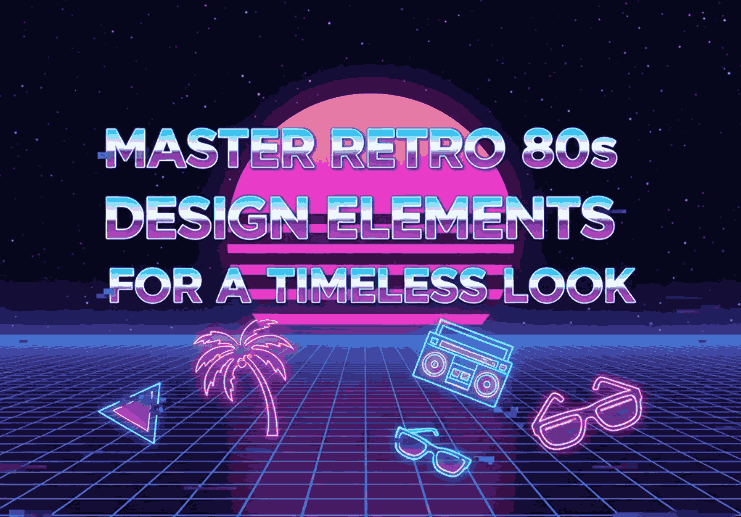
Master Retro 80s Design Elements for a Timeless Look

Retro 80s Design Elements

Table of Contents

  1. Introduction: The Magnetic Appeal of the 80s
  2. What Defines the 80s Design Style
  3. Key Retro 80s Design Elements You Can Use Today
  4. The Role of Typography in 80s Design
  5. Modern Ways to Incorporate 80s Style in Your Projects
  6. Best Fonts to Capture the 80s Aesthetic
  7. Conclusion: Bringing Nostalgia Back with Style
  8. References

1. Introduction: The Magnetic Appeal of the Retro 80s Design Elements

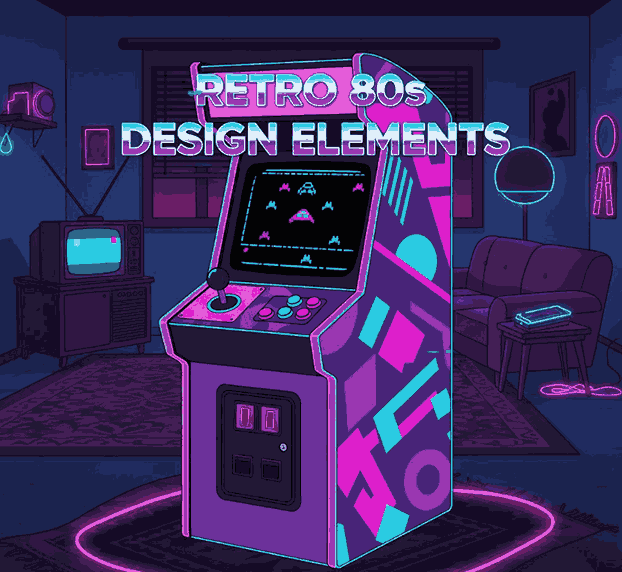
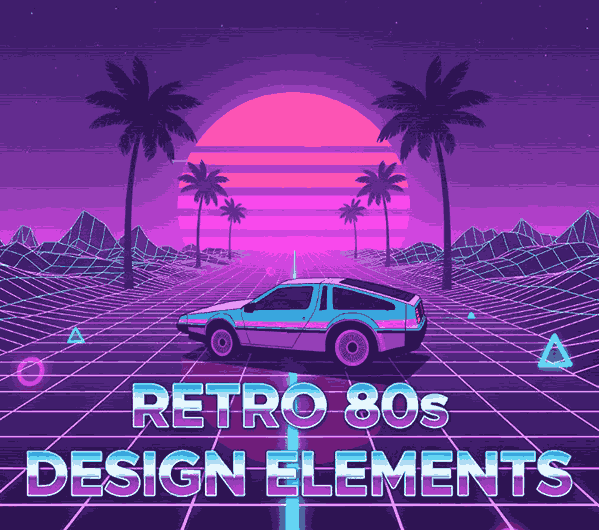
Retro 80s Design Elements The 1980s were a golden era for creativity, characterized by bold colors, flashy graphics, and futuristic yet playful styles. The influence of the retro 80s design elements can still be felt across today’s branding, fashion, and digital art scenes. Designers are once again embracing neon color palettes, geometric shapes, and expressive typography to capture that nostalgic energy.

In this article, we’ll explore how to bring those iconic 80s design elements into your modern projects — and how the right fonts can play a major role in recreating that vintage magic.

Retro 80s Design Elements

2. What Defines the Retro 80s Design Elements

The 80s aesthetic was all about maximalism and vibrancy. It rejected minimalism in favor of eye-catching visuals and fearless experimentation. Here are the defining features of this unforgettable style:

  • Bright Neon Colors: Think hot pink, electric blue, and acid green.
  • Geometric Shapes: Triangles, circles, and grids often overlapped in bold patterns.
  • Gradients and Chrome Effects: Metallic textures and color fades gave designs a futuristic flair.
  • Memphis Design Movement: Abstract shapes with bold outlines and playful asymmetry.
  • Synthwave and Vaporwave Influence: Futuristic elements combined with nostalgic retro tones.

These characteristics together formed a design language that celebrated individuality and excitement.

3. Key Retro 80s Design Elements You Can Use Today

To create authentic 80s-inspired artwork, focus on these timeless design ingredients:

  1. Vibrant Color Palettes – Use strong contrast and high-saturation colors to attract attention.
  2. Dynamic Patterns – Integrate geometric backgrounds or abstract shapes for visual rhythm.
  3. Bold Typography – Mix chunky display fonts with neon glows or metallic gradients.
  4. 3D Graphics and Grids – Add dimension using retro perspective lines.
  5. Lighting Effects – Use glows, reflections, and chrome effects to replicate 80s flair.

These visual tools instantly transform any design into a nostalgic throwback.

4. The Role of Typography in 80s Design

Typography was central to the 80s aesthetic. Designers used bold sans-serif and neon script fonts to communicate energy and innovation.

  • Display fonts were used in headlines to command attention.
  • Script fonts evoked luxury, motion, and glamour.
  • Condensed typefaces delivered futuristic, tech-inspired vibes.

You can recreate this iconic typographic look using high-quality retro fonts that emphasize structure and contrast — exactly what we craft at CalligraphyFonts.net.

5. Modern Ways to Incorporate 80s Style in Your Projects

While retro 80s design is nostalgic, it blends beautifully with modern aesthetics. Here’s how you can balance vintage and contemporary looks:

  • Combine retro color schemes with minimalist layouts.
  • Use retro fonts for headers but keep body text simple and clean.
  • Incorporate gradients as subtle backgrounds or overlays.
  • Add motion graphics with glowing effects to give digital designs an 80s vibe.
  • Create themed brand visuals for product launches or limited-edition campaigns.

The key is to capture the essence of the 80s without overwhelming the viewer.

Retro 80s Design Elements

6. Best Fonts to Capture the 80s Aesthetic

To truly express the retro 80s design elements, typography is your secret weapon. Here are some perfect examples available at CalligraphyFonts.net:

  • Rostia Font – A bold retro display font ideal for posters, album covers, and brand titles.
  • Rowan Julio Font – A vintage serif with a timeless feel, great for combining old-school and modern design.
  • Ocean Zander Font – Dynamic and stylish, this display font captures the vibrant rhythm of the 80s perfectly.

Each of these fonts carries a nostalgic flair that enhances visual hierarchy and makes your designs stand out.

7. Conclusion: Bringing Nostalgia Back with Style

The 1980s were about fearless creativity — and today, those retro 80s design elements are more relevant than ever. Whether you’re designing a poster, brand identity, or social media layout, incorporating bold colors, geometric shapes, and expressive fonts will infuse your work with vintage energy.

If you want to channel the authentic 80s spirit, explore our premium font collections at CalligraphyFonts.net. The right typography can turn any design into a nostalgic masterpiece.

8. References

  • Adobe Creative Cloud — Retro Design Trends
  • ZarmaType — Inside the Style of 80s Graphic Design
  • EnvatoElements — Retro Design Trends: Rewind to the 60s, 70s and 80s
  • DesignBro — 80’s Design Patterns: What Graphic Design Style was Popular in This Decade?
Posted on

Chrome Extensions for Graphic Designers: How to Boost Your Workflow and Creativity 2025

Chrome Extensions Graphic Designers

Table of Contents

  1. Introduction
  2. Why Chrome Extensions Are Essential for Designers
  3. Top Chrome Extensions Every Graphic Designer Should Use
    • 3.1 ColorZilla – Simplify Color Management
    • 3.2 WhatFont – Identify Fonts Instantly
    • 3.3 Awesome Screenshot – Capture and Annotate Ideas
    • 3.4 Loom – Communicate Visually
    • 3.5 Window Resizer – Perfect Responsive Previews
  4. Enhancing Your Design Workflow with Chrome Tools
  5. Choosing the Right Fonts for Your Design Projects
  6. Font Recommendations from CalligraphyFonts.net
  7. Conclusion
  8. References

1. Introduction

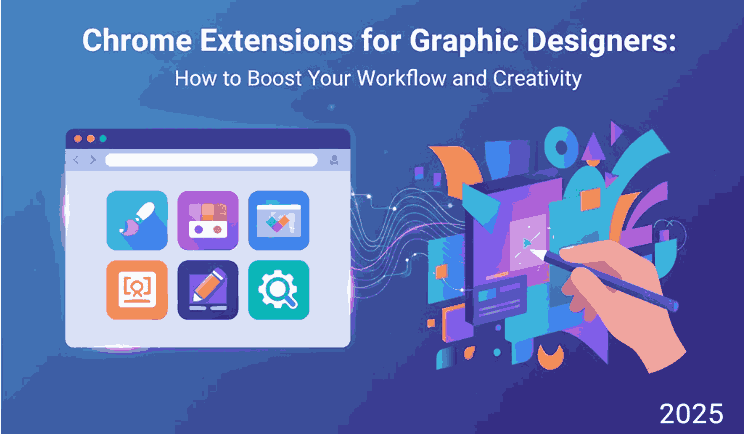
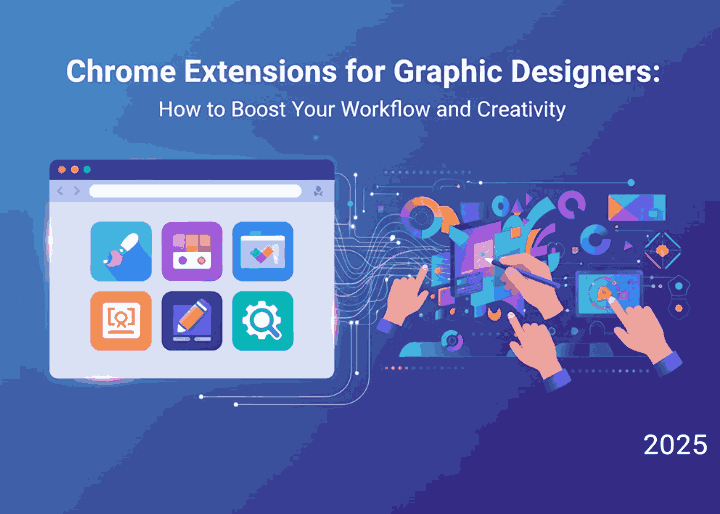
Chrome Extensions Graphic Designers In the fast-paced world of design, every second counts. From managing creative tasks to fine-tuning typography, designers rely on tools that streamline their workflow and spark inspiration. That’s where Chrome extensions for graphic designers come in handy.

Whether you’re working on branding, UI/UX, web layouts, or social media designs, these extensions can save you time, enhance productivity, and elevate your creative process.

2. Why Essential Chrome Extensions Graphic Designers

Chrome Extensions Graphic Designers

Google Chrome is more than just a web browser—it’s a full-fledged creative hub. With the right extensions, designers can:

  • Instantly pick colors from any website.
  • Identify and analyze fonts.
  • Capture screenshots for inspiration boards.
  • Test designs across different screen sizes.
  • Manage creative assets effectively.

Using the right Chrome extensions for graphic designers helps bridge the gap between creativity and efficiency, letting you focus on what matters most: design.

3. Top Every Chrome Extensions Graphic Designers Should Use

3.1 ColorZilla – Simplify Color Management

ColorZilla is one of the most popular color tools for designers. With it, you can pick colors from any webpage, create gradients, and save palettes for future projects. It’s perfect for web and brand designers who deal with color harmony daily.

3.2 WhatFont – Identify Fonts Instantly

Typography defines design aesthetics. With WhatFont, you can hover over any text online to instantly reveal its font name, size, and family. This extension is a must-have for font lovers and typographers who want to explore typefaces effortlessly.

3.3 Awesome Screenshot – Capture and Annotate Ideas

Awesome Screenshot lets designers take quick captures, record screens, and annotate visuals. It’s an excellent tool for client presentations, mockups, and portfolio documentation.

3.4 Loom – Communicate Visually

Loom helps designers record quick video messages and share visual feedback. Instead of lengthy emails, you can explain design concepts or revisions through screen recordings—saving hours in communication.

3.5 Window Resizer – Perfect Responsive Previews

Testing responsive design has never been easier with Window Resizer. It allows you to preview how your designs look on various screen dimensions—mobile, tablet, or desktop—ensuring your designs are pixel-perfect.

4. Enhancing Your Design Workflow with Chrome Tools

Chrome extensions do more than just simplify tasks; they enhance your creative flow. By automating repetitive processes like font detection or color picking, designers can focus on conceptual creativity.

For instance, extensions like ColorZilla and WhatFont let you seamlessly transition from inspiration to execution. Meanwhile, productivity tools like Loom and Awesome Screenshot streamline client collaboration and visual communication.

Using these extensions collectively helps you maintain speed, accuracy, and design quality.

Chrome Extensions Graphic Designers

5. Choosing the Right Fonts for Your Design Projects

While extensions help optimize the workflow, typography remains at the core of design excellence. Fonts can define brand voice, influence perception, and elevate design appeal.

When working on UI/UX or web-based projects, choose fonts that reflect your brand’s character—be it elegant, modern, playful, or minimalist. CalligraphyFonts.net offers a diverse range of fonts that blend perfectly with professional designs.

6. Font Recommendations from CalligraphyFonts.net

To complement your digital projects, here are some stunning font options that can enhance your creative visuals:

  • Midline Font – A versatile signature-style font ideal for branding and design presentations.
  • Rutinitas Font – A refined calligraphy font that adds elegance to digital mockups.
  • Signatory Font – Perfect for logo concepts and UI headings with a stylish handcrafted look.
  • Rellative Font – Modern and sleek, ideal for showcasing design tool UIs and marketing visuals.

These fonts are not only visually captivating but also easy to pair with minimalist or complex designs, making them perfect companions for your Chrome-based creative workflow.

7. Conclusion Chrome Extensions Graphic Designers

Chrome Extensions Graphic Designers are indispensable tools for modern creatives. They streamline tedious tasks, enhance productivity, and bring more efficiency into your workflow.

By integrating tools like ColorZilla, WhatFont, and Loom—and pairing them with professional-quality fonts from CalligraphyFonts.net—you can elevate every design project to a new level of professionalism and creativity.

Explore, experiment, and embrace these tools to make your design process smarter and more enjoyable.

8. References

  1. Envato Tuts+ – Productivity Tools for Designers
  2. Google Chrome Web Store – Design Extensions
  3. Adobe Creative Cloud – Start your Creative Cloud free trial
  4. DinStudio – Useful Google Chrome Extensions for Designers
Posted on

Graphic Design Trend Forecast 2024: What Will Define New Visual Creativity This Year

Graphic Design Trend Forecast

Table of Contents

  1. Introduction
  2. Why Graphic Design Trends Matter
  3. The Biggest Graphic Design Trends of 2024
     3.1 Minimalism with a Modern Twist
     3.2 Retro Revival and Nostalgia
     3.3 Bold Typography and Experimental Fonts
     3.4 3D and Motion Design Integration
     3.5 Sustainable and Eco-Friendly Visuals
     3.6 AI-Driven Design Tools
  4. How Designers Can Adapt to These Trends
  5. Recommended Fonts to Match 2024’s Visual Style
  6. Final Thoughts
  7. References

1. Introduction

As we step into 2024, the world of graphic design continues to evolve at lightning speed. Technology, culture, and social change all influence how we communicate visually. The Graphic Design Trend Forecast for 2024 reveals a fascinating mix of nostalgia and innovation—where timeless design principles meet futuristic tools and aesthetics.

Whether you’re a brand designer, creative director, or font creator, understanding these upcoming Graphic Design Trend Forecast helps you stay relevant and produce work that resonates with your audience.

Graphic Design Trend Forecast

2. Why Graphic Design Trend Forecast Matter

Graphic design trends are not just fleeting visual fads; they represent how human behavior and technology merge to shape visual culture. For professionals, following these trends means:

  • Staying aligned with audience expectations
  • Keeping designs visually fresh and competitive
  • Improving brand recognition through modern aesthetics

At CalligraphyFonts.net, where creativity meets craftsmanship, following visual trends also helps you design fonts that fit into the ever-changing digital landscape.

3. The Biggest Graphic Design Trend Forecast of 2024

Here’s a look at the dominant creative directions predicted to shape the industry this year.

3.1 Minimalism with a Modern Twist

Minimalism isn’t going anywhere—but 2024’s version comes with personality. Expect to see clean layouts with subtle gradients, dynamic asymmetry, and bold negative space. The goal? To create elegant simplicity that still feels expressive.

Designers are moving toward “warm minimalism”—using soft color palettes, human-centered imagery, and balanced typography to maintain sophistication without feeling sterile.

3.2 Retro Revival and Nostalgia

The return of the Y2K and ’80s–’90s retro aesthetics continues to dominate. From chrome effects and holographic textures to grainy filters and hand-drawn fonts, nostalgia remains a strong emotional trigger.

This blend of old and new creates familiarity while remaining visually exciting—perfect for social media campaigns, music posters, and brand visuals.

3.3 Bold Typography and Experimental Fonts

Typography takes center stage in 2024. Designers are using custom typefaces, layered textures, and variable fonts to express brand personality.
If you want to incorporate trend-aligned typography, explore these examples:

  • Classicly Font — a timeless serif that fits minimalist and editorial aesthetics.
  • Jaycee Looks Font — perfect for vibrant, modern-retro compositions.
  • Rellative Font — ideal for bold, headline-driven layouts.
  • Vineland Font — stylish and sophisticated, great for brand logos or packaging.

These fonts capture the essence of 2024’s design movement: a balance between clarity, expression, and innovation.

3.4 3D and Motion Design Integration

Motion graphics and 3D design continue to merge into mainstream brand identity. Animated typography, immersive visuals, and subtle motion in UI design are becoming essential.
With the rise of AR/VR, designers are exploring interactive storytelling, where static visuals come to life. Tools like Blender and After Effects are now standard for many designers who want to add dimension to their work.

3.5 Sustainable and Eco-Friendly Visuals

As sustainability becomes central to global consciousness, design is reflecting this shift. 2024 brings more earth-inspired tones, natural textures, and organic shapes.
Brands are emphasizing authenticity and ethical design—moving away from over-production toward timeless, minimalist visual systems. Fonts that feel handcrafted or organic fit perfectly into this movement.

3.6 AI-Driven Design Tools

Artificial intelligence has revolutionized how designers brainstorm, create mockups, and explore new visual ideas. AI tools like Adobe Firefly, Midjourney, and ChatGPT are not replacing creativity—they’re amplifying it.
Designers who understand how to collaborate with AI can increase productivity while maintaining artistic integrity. Expect AI-generated art, smart layouts, and predictive color harmonies to play major roles in 2024’s workflows.

4. How Can Adapt to These Graphic Design Trend Forecast

To stay ahead in 2024:

  • Stay curious — follow design blogs, attend webinars, and observe top agencies.
  • Experiment often — create mockups using the latest design software or new font combinations.
  • Refine your typography — test modern fonts and variable weights for flexibility.
  • Collaborate with AI tools — use them for idea generation, but always apply your human creativity.
  • Build a timeless portfolio — integrate trendy design ideas while preserving your personal style.

By balancing trends with originality, you’ll maintain both relevance and authenticity.

Graphic Design Trend Forecast

5. Recommended Fonts to Match 2024’s Visual Style

Typography is a major driver of 2024’s aesthetic direction. Here are curated fonts from your collection that complement this year’s design mood:

  • Classicly Font – clean and classy, ideal for minimalist branding.
  • Jaycee Looks Font – bold and futuristic, great for trend-forward logos.
  • Rellative Font – contemporary yet timeless for editorial projects.
  • Vineland Font – elegant curves and humanist design perfect for creative campaigns.

These typefaces not only align with the graphic design trend forecast 2024 but also demonstrate the craftsmanship that defines CalligraphyFonts.net.

6. Final Thoughts Graphic Design Trend Forecast

The Graphic Design Trend Forecast for 2024 paints a picture of creativity that merges technology, emotion, and timeless beauty. From AI-powered design tools to nostalgic fonts, this year encourages experimentation and authenticity.
For font creators and graphic designers alike, embracing these shifts means staying not just current—but visionary.

Explore these trends, try new fonts, and let your work inspire the next generation of design innovation.

7. References

Posted on

Principles of Graphic Design: The Foundation of Visual New Communication

Principles of Graphic Design

Table of Contents

  1. Introduction: Why Graphic Design Principles Matter
  2. The 7 Core Principles of Graphic Design
     • Balance
     • Contrast
     • Alignment
     • Repetition
     • Proximity
     • Hierarchy
     • Space
  3. Applying Design Principles in Branding and Marketing
  4. The Role of Typography in Graphic Design
  5. Recommended Fonts for Creative Projects
  6. Final Thoughts
  7. References

1. Introduction: Why Graphic Design Principles Matter

Principles of Graphic Design is more than just making something look attractive—it’s about communication, clarity, and impact. The Principles of Graphic Design serve as the backbone of every visual creation, ensuring that your message connects effectively with your audience.

Whether you are designing a brand logo, a poster, or a website interface, understanding these principles helps you build visuals that are balanced, intentional, and emotionally engaging. In today’s digital world, where visuals dominate marketing strategies, mastering these fundamentals can set your work apart.

Principles of Graphic Design

2. The 7 Core Principles of Graphic Design

Let’s explore the essential principles that every designer should understand and apply.

Balance

Balance refers to the distribution of visual weight within a design. It can be symmetrical (where both sides mirror each other) or asymmetrical (where visual interest is created through contrast and variation). A balanced layout ensures that no part of the design feels heavier than the other.

Contrast

Contrast highlights differences in color, size, shape, and texture to create emphasis. It helps guide the viewer’s attention to the most important elements, such as headlines or calls to action. High contrast is also essential for readability and accessibility.

Alignment

Alignment ensures that every element on a page visually connects to another. Proper alignment creates structure, order, and a professional appearance. Misalignment, on the other hand, can make a design appear chaotic or unbalanced.

Repetition

Repetition builds consistency by reusing visual elements such as fonts, colors, and shapes. It reinforces branding and helps establish a recognizable identity across different materials like brochures, websites, or social media posts.

Proximity

Proximity groups related items together, making the design easier to navigate. By organizing content logically, proximity helps viewers quickly understand relationships between elements—improving both aesthetics and usability.

Hierarchy

Hierarchy determines the order in which information is presented. Designers use size, weight, and placement to guide viewers from the most important to the least important information. For example, headlines should always stand out compared to body text.

Space

Space, often referred to as “white space,” gives designs room to breathe. It prevents overcrowding and helps highlight important content. Effective use of space contributes to elegance, readability, and a clean layout.

3. Applying Principles of Graphic Design in Branding and Marketing

The principles of graphic design are crucial in building a consistent and memorable brand identity. A logo that follows these rules will communicate professionalism, while a marketing campaign that applies hierarchy and contrast effectively will attract more attention.

For instance, a brand that uses strong visual balance and clear hierarchy across its website and packaging will appear trustworthy and organized. When combined with a cohesive color palette and thoughtful typography, these design principles can create a powerful emotional connection with customers.

4. The Role of Typography in Principles of Graphic Design

Typography is a vital part of design—it influences tone, personality, and readability. Choosing the right font can transform a design from ordinary to extraordinary. Serif fonts convey tradition and authority, sans-serif fonts evoke modernity, and script fonts add a touch of elegance or creativity.

If you’re a designer looking to experiment with stunning typefaces, you can explore premium fonts at Calligraphy Fonts, where artistry meets functionality. The right typography can bring balance and harmony to your overall design composition.

Principles of Graphic Design

5. Recommended Fonts for Creative Projects

Here are some fonts that work perfectly when applying the Principles of Graphic Design to your branding or artwork:

  • Overcame Font – A bold and elegant typeface that captures strength and determination.
  • Ballerinas Font – Perfect for designs that require a graceful and artistic touch.
  • Ameralda Font – A luxurious and stylish font ideal for branding and logo design.
  • Catcalling Font – Great for creative posters and modern minimalist projects.

Each of these fonts exemplifies different principles like contrast, balance, and repetition—helping you achieve a harmonious and engaging design.

6. Final Thoughts

Understanding and applying the principles of graphic design is essential for creating visually compelling work that communicates effectively. Every line, color, font, and space you use contributes to how your audience perceives your design.

By combining these principles with quality typography from CalligraphyFonts.net, you can produce professional and memorable visuals that strengthen brand identity and capture attention in a competitive creative market.

7. References

Posted on

Thriving New Careers in Digital Art and Design

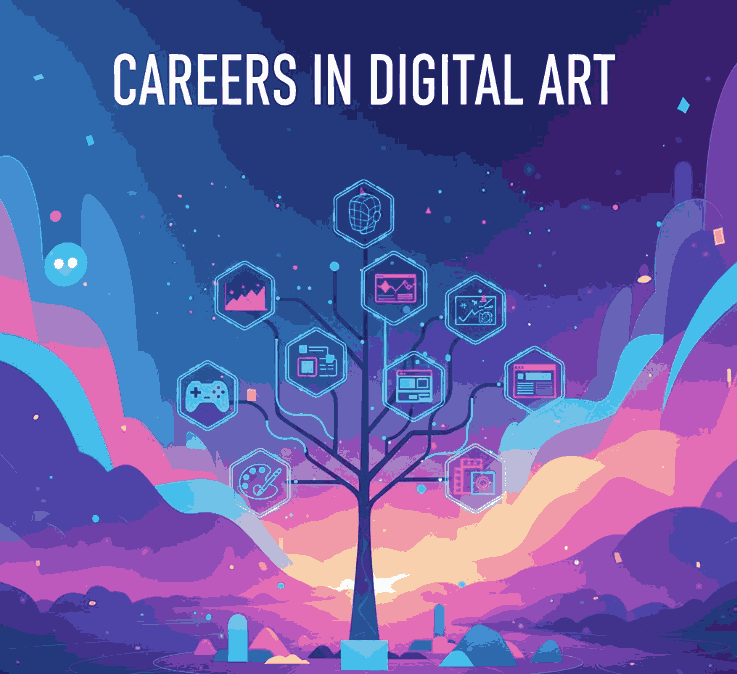
Careers in Digital Art

Table of Contents

  1. Introduction
  2. What Is Digital Art and Design?
  3. Why Choose a Career in Digital Art and Design?
  4. Top Career Paths in Digital Art and Design
    • 4.1 Graphic Designer
    • 4.2 Motion Graphics Artist
    • 4.3 UX/UI Designer
    • 4.4 Game Artist
    • 4.5 Digital Illustrator
  5. Essential Skills for Success
  6. Tools and Software Every Digital Artist Should Know
  7. Building a Strong Portfolio
  8. How Fonts Influence Digital Art and Branding
  9. Final Thoughts
  10. References

1. Introduction

In today’s visually driven world, Careers in Digital Art and Design have become more valuable than ever. From social media visuals to brand identities and video games, digital artists shape how we experience creativity online. As technology continues to evolve, new opportunities are emerging for those who blend artistic vision with digital innovation.

2. What Is Digital Art and Design?

Digital art and design refer to the creative use of technology to produce visual experiences — whether through illustrations, animations, web design, or 3D modeling. It merges creativity with technical proficiency, allowing artists to communicate messages, emotions, and stories in dynamic new ways.

Digital designers often work across industries such as advertising, gaming, film, web development, and product design. Their work influences everything from logos and mobile apps to virtual reality experiences.

Careers in Digital Art

3. Why Choose a Careers in Digital Art and Design?

There are countless reasons why creative individuals are drawn to this field:

  • High demand: Businesses constantly need digital visuals for marketing and branding.
  • Creative freedom: You can express yourself artistically while solving design challenges.
  • Remote opportunities: Many roles in digital art can be done from anywhere.
  • Diverse industries: From fashion to tech startups, design skills are universally valued.

According to Adobe’s Digital Trends Report, creative professionals who embrace new technologies such as AI and 3D design are seeing faster career growth than ever before.

4. Top Paths in Careers in Digital Art and Design

4.1 Graphic Designer

A graphic designer creates visual content for both print and digital media — logos, posters, social media ads, and more. Their goal is to make information visually appealing and easy to understand.

4.2 Motion Graphics Artist

These designers specialize in animation and video effects, often for YouTube intros, advertisements, or movie credits. Mastering software like After Effects or Blender is crucial for success in this field.

4.3 UX/UI Designer

A User Experience (UX) and User Interface (UI) designer focuses on creating smooth, intuitive digital experiences for apps and websites. This role blends psychology, coding basics, and visual design.

4.4 Game Artist

Video game artists design characters, environments, and visual effects that bring virtual worlds to life. With gaming being one of the fastest-growing industries, demand for talented game artists continues to soar.

4.5 Digital Illustrator

Illustrators craft custom visuals for books, branding, packaging, and web content. Many freelance artists build loyal clients through platforms like Behance or Dribbble.

5. Essential Skills for Success

To thrive in digital art and design, aspiring professionals should develop:

  • Creativity and visual storytelling
  • Knowledge of color theory and composition
  • Digital painting and typography skills
  • Understanding of branding and marketing principles
  • Adaptability to new design trends and tools

Continuous learning is vital. Many successful designers invest in online courses or design bootcamps to sharpen their skills.

Careers in Digital Art

6. Tools and Software Every Careers in Digital Art Should Know

Proficiency in design software can define your career success. Essential tools include:

  • Adobe Creative Cloud (Photoshop, Illustrator, After Effects)
  • Procreate for digital painting
  • Figma for UX/UI design
  • Blender or Cinema 4D for 3D modeling
  • Canva for quick visual layouts

7. Building a Strong Portfolio

A powerful Careers in Digital Art portfolio showcases your creativity, technical skill, and personal style. Include a mix of completed projects and conceptual work.
If you’re building your own design website, consider pairing your visuals with unique font styles to reinforce your brand identity.

You can explore professional-quality fonts from CalligraphyFonts.net, such as:

8. How Fonts Influence Careers in Digital Art and Branding

Fonts are often underestimated, yet they carry emotional power that defines a brand’s personality. A modern sans-serif font can make a design feel sleek and minimal, while a hand-lettered calligraphy font adds warmth and artistry.

When choosing fonts for your projects:

  • Match the font tone with your design purpose.
  • Use high-quality licensed fonts for professionalism.
  • Combine two complementary fonts for visual balance.

Explore hundreds of unique creative fonts at CalligraphyFonts.net to enhance your design projects.

9. Final Thoughts

The world of Careers in Digital Art continues to evolve, offering endless possibilities for those who dare to innovate. Whether you dream of designing apps, creating animations, or building brands — your creativity is your greatest asset.
With the right skills, mindset, and visual tools (like fonts and colors), you can turn your artistic passion into a sustainable and rewarding career.

10. References

  • AIGA — Design jobs & profesional organisasi
  • Creative Bloq — Career guides & industry articles
  • Adobe — AI is a bold opportunity — for both brands and consumers.
  • Skillcrush — Super Creative? Check Out These 10 Amazing Tech Careers