Posted on

Improve Visual Hierarchy in Layouts: A Complete Guide to More Engaging New Design

Improve Visual Hierarchy Layouts

Table of Contents

  1. Introduction
  2. What Is Visual Hierarchy in Design?
  3. Why Visual Hierarchy Matters
  4. Key Principles of Visual Hierarchy
    • 4.1 Size and Scale
    • 4.2 Color and Contrast
    • 4.3 Typography and Font Choice
    • 4.4 Spacing and Alignment
  5. How to Improve Visual Hierarchy in Layouts
  6. Using Typography to Strengthen Design Hierarchy
  7. Recommended Fonts from CalligraphyFonts.net
  8. Conclusion
  9. References

1. Introduction

Improve Visual Hierarchy Layouts Creating an effective visual layout is more than arranging elements on a page — it’s about guiding the viewer’s eye. In the world of design, visual hierarchy determines what your audience sees first, next, and last.

A well-structured layout can make or break the user experience. Whether you’re designing a website, poster, or digital ad, understanding how to improve visual hierarchy in layouts helps you communicate messages clearly and beautifully.
Improve Visual Hierarchy Layouts

2. What Is Improve Visual Hierarchy Layouts in Design?

Visual hierarchy refers to how design elements are arranged to show their order of importance. It’s a fundamental principle that controls how viewers navigate your content.

Designers use size, color, contrast, spacing, and typography to establish hierarchy — ensuring that key information stands out and secondary details follow naturally.

3. Why Improve Visual Hierarchy Layouts Matters

Without visual hierarchy, even the most creative design can feel confusing. A strong hierarchy ensures that your message is clear and that viewers engage longer with your content.

Here’s why it matters:

  • Clarity: Helps users quickly understand what’s most important.
  • Aesthetics: Creates visual rhythm and flow.
  • Engagement: Encourages viewers to explore more.
  • Usability: Improves how users interact with designs in digital environments.

When hierarchy is properly established, your layout feels organized, intentional, and professional.

4. Key Principles of Improve Visual Hierarchy Layouts

4.1 Size and Scale

Bigger elements attract attention first. Use larger fonts or images to highlight your main message. Scale smaller elements accordingly to guide the viewer’s eye downward through the content.

4.2 Color and Contrast

Contrast draws focus. Bright or dark colors against neutral backgrounds make key elements stand out. Strategic use of color contrast enhances both readability and emotion.

4.3 Typography and Font Choice

Typography plays a powerful role in hierarchy. Headings, subheadings, and body text should have different font weights and styles to establish structure.
Using elegant calligraphy or clean serif fonts can create emotional tone and brand character.

4.4 Spacing and Alignment

White space gives elements room to breathe. Balanced spacing prevents clutter and directs focus naturally. Alignment ensures consistency — whether center-aligned for balance or left-aligned for readability.

5. How to Improve Visual Hierarchy Layouts

Improving hierarchy is about clarity and intention. Here are proven methods to achieve it:

  • Start with structure: Sketch or wireframe your layout before adding details.
  • Highlight the focal point: Use scale, bold color, or a striking font for the most important element.
  • Group related items: Proximity indicates relationship — place related elements closer together.
  • Limit font styles: Too many fonts can break hierarchy; two to three styles are ideal.
  • Use visual rhythm: Alternate heavy and light design areas to create a smooth viewing flow.

By applying these techniques, you’ll guide your audience effortlessly through your design story.
Improve Visual Hierarchy Layouts

6. Using Typography to Strengthen Design Hierarchy

Typography doesn’t just display text — it shapes perception. Fonts have distinct personalities that can elevate the tone and emotion of your design.

For example:

  • A bold modern font grabs attention for headlines.
  • A calligraphy or script font adds elegance and warmth.
  • A minimal serif or sans-serif font ensures readability for long text.

Selecting the right type hierarchy — combining contrasting weights, sizes, and styles — creates a polished, professional appearance.

If you want to achieve balance between beauty and functionality, using premium fonts is the key.

7. Recommended Fonts from CalligraphyFonts.net

At CalligraphyFonts.net, we specialize in handcrafted typefaces designed for creative professionals. Here are some recommended fonts to enhance visual hierarchy in your layouts:

  • Butterlies Font – A stylish modern calligraphy font that works perfectly for bold headlines or hero text sections.
  • Rutinitas Font – Soft and elegant, great for subheadings or secondary content that needs personality without overpowering.
  • Signatory Font – A balanced handwritten font, ideal for captions, taglines, or callouts within visual layouts.
  • Rellative Font – A clean and modern script font that enhances contrast and adds sophistication to any composition.

Each of these fonts helps designers establish contrast, tone, and flow, three pillars of an effective visual hierarchy.

8. Conclusion

Improving visual hierarchy in layouts is about intentional design. By controlling how elements guide the viewer’s eye, you turn complex visuals into engaging, easy-to-read experiences.

Combine layout structure with typographic precision and you’ll achieve designs that not only look great but communicate effectively.

To elevate your typography, explore the handcrafted font collections at CalligraphyFonts.net. Each font is thoughtfully designed to bring balance, clarity, and beauty to your visual hierarchy.

9. References

  1. DinStudio – Visual Hierarchy Principles for Attractive Designs
  2. Canva Design School – Visual Hierarchy in Graphic Design
  3. Envato Tuts+ – Visual Hierarchy for Designers
Posted on

Essential Reading Graphic Design Books: New Every Designer Should Own

Essential Reading Graphic Design

Table of Contents

  1. Introduction
  2. Why Reading Matters for Designers
  3. The Timeless Value of Graphic Design Books
  4. Must-Have Books for Every Designer
    • 4.1 “Thinking with Type” by Ellen Lupton
    • 4.2 “Grid Systems in Graphic Design” by Josef Müller-Brockmann
    • 4.3 “Logo Modernism” by Jens Müller
    • 4.4 “Interaction of Color” by Josef Albers
    • 4.5 “Made You Look” by Stefan Sagmeister
  5. How to Apply Lessons from Design Books in Practice
  6. Typography and Font Choice in Book and Design Projects
  7. Featured Fonts from CalligraphyFonts.net
  8. Conclusion
  9. References

1. Introduction

Essential Reading Graphic Design In the digital age where tutorials and quick videos dominate, books remain one of the most powerful learning tools for designers. Reading helps refine your design thinking, expand creative perspectives, and improve visual literacy.

This article explores the essential graphic design books every designer should read — whether you’re a beginner mastering typography or an experienced creative seeking deeper theory. We’ll also show how professional fonts can complement your projects and make your design work stand out.

Essential Reading Graphic Design

2. Why Matters for Essential Reading Graphic Design

Great design goes beyond aesthetics — it communicates ideas, evokes emotions, and builds connections. Books provide the historical context and theoretical foundations that every designer needs.

Unlike short online content, design books offer structured knowledge, expert perspectives, and timeless inspiration. They help you understand the “why” behind every creative decision — from typography choice to layout balance.

3. The Timeless Value of Essential Reading Graphic Design Books

Graphic design books serve as both inspiration and guidance. They explore the principles of color, typography, grid systems, and branding — subjects that define great design across all eras.

By reading the right books, designers can:

  • Improve their design vocabulary and conceptual depth.
  • Learn how to analyze composition, hierarchy, and visual flow.
  • Gain exposure to historic and modern design movements.
  • Build critical thinking and storytelling through design.

Books are the ultimate teacher for those seeking mastery in graphic communication.

4. Must-Have Books for Every Designer

4.1 “Thinking with Type” by Ellen Lupton

Typography is the heartbeat of design, and Lupton’s classic work is a must-read. It teaches how type interacts with structure and emotion, offering real-world examples for both print and digital media.

4.2 “Grid Systems in Graphic Design” by Josef Müller-Brockmann

A cornerstone of Swiss design philosophy, this book provides timeless lessons on structure, rhythm, and proportion. Every professional designer should understand grid systems before diving into modern layouts.

4.3 “Logo Modernism” by Jens Müller

This visual encyclopedia explores how logos evolved through history. It’s a treasure for brand designers and students learning minimalist design systems.

4.4 “Interaction of Color” by Josef Albers

Color theory can make or break your design. Albers’s work shows how colors interact and influence perception — essential reading for anyone who works with branding, illustration, or UI.

4.5 “Made You Look” by Stefan Sagmeister

Sagmeister’s book dives into creativity and the emotional power of design. It reminds designers that aesthetics should always connect to human experience.

5. How to Apply Lessons from Essential Reading Graphic Design Books in Practice

Reading is only valuable when applied. Start by experimenting with what you learn:

  • Analyze typography: Observe how spacing and type hierarchy influence message clarity.
  • Create grid-based layouts: Apply Müller-Brockmann’s principles in real projects.
  • Experiment with color interaction: Use Albers’s exercises to explore color balance and harmony.
  • Develop storytelling: Integrate Sagmeister’s emotional design ideas into client projects.

When combined with modern tools and resources, these lessons transform your creative process.

6. Typography and Font Choice in Book and Design Projects

Typography is one of the most powerful elements in both graphic and editorial design. A carefully chosen font can amplify tone, readability, and emotional appeal.

For instance:

  • Serif fonts evoke trust and tradition — ideal for print publications.
  • Script fonts bring elegance and creativity — perfect for covers or branding.
  • Sans-serif fonts feel modern and clean — suited for digital reading experiences.

Choosing the right font connects the visual and emotional aspects of a design, making your message resonate stronger.

Essential Reading Graphic Design

7. Featured Fonts from CalligraphyFonts.net

To elevate your next design or book project, here are some stunning fonts available on CalligraphyFonts.net:

  • Neitherly Font – A refined and modern calligraphy typeface perfect for elegant book titles and cover headings.
  • Rutinitas Font – Graceful and flowing, ideal for adding artistic flair to editorial layouts.
  • Signatory Font – Stylish and versatile; works beautifully for author names, chapter titles, or creative taglines.
  • Rellative Font – Clean yet expressive script suitable for design quotes or promotional visuals.

Each of these fonts adds personality and balance to any design, helping you convey emotion and sophistication — just like the best design books teach.

8. Conclusion

Investing time in Essential Reading Graphic Design Books is like sharpening your creative toolkit. They offer wisdom that online tutorials can’t replicate — deep insights into type, form, and visual storytelling.

Pair your learning journey with high-quality fonts from CalligraphyFonts.net to transform ideas into polished, professional visuals.
Because great designers don’t just create — they study, refine, and evolve through the art of continuous learning.

9. References

  1. AIGA Eye on Design – Must-Read Books for Designers
  2. Envato Tuts+ – 20 Essential Graphic Design Books
  3. DinStudio – 6 Must-Have Best Graphic Design Books: A List of Recommendation
Posted on

Creative Surface Background Design Ideas: How to Elevate Your Visual Projects

Surface Background Design Ideas

Table of Contents

  1. Introduction: The Role of Backgrounds in Design
  2. Understanding Surface Background Design
  3. Types of Surface Backgrounds in Modern Design
  4. How to Choose the Right Surface for Your Project
  5. Enhancing Surface Backgrounds with Typography
  6. Font Examples to Pair with Surface Backgrounds
  7. Final Thoughts
  8. References

1. Introduction: The Role of Surface Background Design Ideas

In graphic design, the Surface Background Design Ideas is more than just a backdrop — it’s the foundation that sets the mood, tone, and atmosphere of your visual story. A well-chosen background complements the subject, enhances typography, and creates emotional depth.

Among the many approaches to backgrounds, surface background design stands out for its versatility and tactile appeal. Whether you’re designing posters, packaging, digital ads, or social media content, using surface backgrounds can help you create textures that feel real, inviting, and professional.

Surface Background Design Ideas

2. Understanding Surface Background Design Ideas

Surface background design refers to using textures, patterns, and material-inspired visuals (like wood, marble, paper, or fabric) as the main visual foundation of a design. It brings a sense of realism, helping your audience emotionally connect with your artwork.

Common types of surface backgrounds include:

  • Textured surfaces – concrete, paper grain, sand, or fabric.
  • Natural surfaces – wood, leaves, water ripples, or marble.
  • Industrial surfaces – metal plates, brushed steel, or stone.
  • Minimal surfaces – flat tones, gradients, or subtle shadows.

These backgrounds can be real photographs, digital textures, or vector-based patterns, depending on your project’s style.

3. Types of Modern Surface Background Design Ideas

Surface backgrounds can be classified based on the emotional tone or design goal. Let’s explore a few examples used by professional designers:

a. Organic Surfaces

Organic backgrounds use natural elements like wood, stone, or plants. These are ideal for eco-friendly brands, wellness products, or nature-inspired campaigns.

b. Minimal and Flat Surfaces

These use smooth gradients or single-tone colors, perfect for modern branding or tech industries. Minimal surfaces help the main elements (like logos or text) stand out.

c. Textured & Rough Surfaces

Textures like rough paper, brick, or fabric bring depth and authenticity. Great for handcrafted product branding, coffee shops, or vintage aesthetics.

d. Abstract & Artistic Surfaces

These designs use brush strokes, gradients, or abstract shapes. Ideal for creative studios and art-based promotions, they evoke emotion and movement.

4. How to Choose the Right Surface Background Design Ideas for Your Project

When selecting a surface background, always consider the purpose and audience of your design. Here are a few practical tips:

  • Match your brand tone: Use sleek surfaces for corporate brands and rough textures for artisanal ones.
  • Prioritize readability: Avoid overly busy textures behind important text.
  • Use contrast wisely: Pair dark text with light backgrounds (and vice versa).
  • Stay consistent: Maintain a unified visual theme across all brand materials.
  • Experiment with blending: Use overlays and opacity adjustments to harmonize the surface with your typography or logo.

Remember — your background should support your message, not compete with it.

Surface Background Design Ideas

5. Enhancing Surface Background Design Ideas with Typography

Typography and background are inseparable. A surface background provides the visual context, while typography delivers the message. The right combination turns your design from ordinary to unforgettable.

Here’s how to make typography shine on surface backgrounds:

  • Use contrasting fonts: Bold fonts pop better on textured backgrounds.
  • Add subtle shadows or outlines: Improves readability against uneven surfaces.
  • Choose font tones carefully: Warm tones pair well with organic surfaces, while cooler tones match industrial or modern surfaces.
  • Limit the number of fonts: Stick to 2–3 complementary fonts to maintain harmony.

A powerful design balances texture and text — the surface adds depth, and the typography commands attention.

6. Font Examples to Pair with Surface Background Design Ideas

To bring your surface background designs to life, here are some stunning font mockups from CalligraphyFonts.net that perfectly complement textured or layered visuals:

  • Brafio Font – A stylish serif font designed for clarity and sophistication. Perfect for luxury or editorial designs on subtle backgrounds.
  • Classicly Font – A bold serif display with timeless elegance. Ideal for headlines or poster designs layered over marble or vintage paper textures.
  • Westerners Font – A charming handwritten font that brings warmth and personality, perfect for rustic or organic background designs.
  • Senjalara Calligraphy Font – Elegant, flowing, and expressive — this calligraphy font pairs beautifully with minimal or watercolor-style backgrounds.

When used thoughtfully, fonts like these help establish a visual hierarchy and enhance storytelling within your background design.

7. Final Thoughts

Designing with surface backgrounds is all about texture, tone, and balance. Whether you prefer minimal, natural, or industrial aesthetics, the right background can transform your design from flat to captivating.

Combine it with purposeful typography and the result is a visually cohesive composition that feels authentic and professional.

Explore hundreds of beautifully crafted typefaces at CalligraphyFonts.net to find the perfect match for your next creative project. Each font is designed to complement your background textures and help you express your brand’s personality through typography.

8. References

  1. Smashing Magazine – Principles of Texture in Visual Design
  2. DinStudio – Most Common Background in Graphic Design
  3. Adobe article – Create professional-quality backgrounds for any kind of media
  4. Adobe Express blog – Designing with blue backgrounds for aesthetic appeal
Posted on

Top Infographic Creation Tools Every New Designer Should Know

Infographic Creation Tools

Table of Contents

  1. Introduction: The Power of Infographics in Modern Design
  2. Why Infographics Matter
  3. Key Features of Effective Infographic Tools
  4. Top Infographic Creation Tools to Try
  5. How Fonts Elevate Your Infographic Design
  6. Final Thoughts

1. Introduction: The Power of Infographics in Modern Design

In today’s digital landscape, visuals dominate communication. People prefer to see information rather than read long paragraphs — and that’s where Infographic Creation Tools come in. Infographic Creation Tools turn complex data into visually engaging and easy-to-understand graphics, making them essential for marketers, educators, and content creators alike.

But creating a powerful infographic isn’t just about design; it’s about choosing the right tools. The best infographic creation tools help designers organize ideas, use templates effectively, and save valuable time — all while maintaining aesthetic appeal.

2. Why Infographic Creation Tools Matter

Infographic Creation Tools

Infographics combine Infographic Creation Tools to tell stories visually. Research shows that visuals are processed 60,000 times faster by the human brain than text, and well-designed infographics can boost engagement, shares, and brand credibility.

Here’s why every designer should integrate infographics into their workflow:

  • Simplify complex ideas: Visuals make data easier to digest.
  • Increase engagement: Social media posts with visuals receive significantly higher interactions.
  • Boost SEO: Infographics are highly shareable and attract backlinks, improving search visibility.
  • Strengthen branding: Consistent use of colors, fonts, and layouts reinforces brand identity.

Infographics are more than decoration — they’re communication tools that make information both beautiful and memorable.

3. Key Features of Effective Infographic Creation Tools

Before choosing a platform, it’s important to understand what makes an infographic tool truly effective. Look for these features:

  • User-friendly interface: Drag-and-drop features save time for beginners and professionals.
  • Pre-designed templates: Templates help you start fast and maintain visual consistency.
  • Customizable elements: The ability to adjust colors, shapes, and fonts to match your brand identity.
  • Export flexibility: Options to download in multiple formats (PNG, PDF, SVG) for digital or print use.
  • Collaboration support: Cloud-based tools allow team members to edit and review in real time.

Whether you’re a marketer creating reports or a designer illustrating data stories, the right tool can make the process seamless.

4. Top Infographic Creation Tools to Try

Here are some of the best infographic creation tools that combine simplicity, versatility, and design excellence:

1. Canva

Canva is one of the most popular online design tools for beginners and pros alike. It offers thousands of templates and easy drag-and-drop features. You can create infographics, social media posts, presentations, and more — all from one dashboard.

2. Piktochart

Piktochart focuses on data visualization. It’s ideal for reports, charts, and professional infographics that require accuracy and storytelling combined.

3. Venngage

Venngage offers hundreds of customizable templates with excellent brand integration features. You can upload your logo, choose brand colors, and design consistent visuals quickly.

4. Visme

Visme stands out for its interactive elements — perfect for presentations, dashboards, and infographics that require animation or embedded links.

5. Adobe Express

Adobe Express (formerly Adobe Spark) provides high-quality templates backed by Adobe’s creative technology. It’s excellent for teams needing professional-grade visuals with minimal effort.

Each of these tools empowers designers to focus on creativity while the software handles the technical side of layout and structure.

Infographic Creation Tools

5. How Fonts Elevate Your Infographic Creation Tools

One element that often gets overlooked in infographic design is typography. Fonts do more than display words — they shape your audience’s perception, highlight key points, and define the mood of your infographic.

When designing infographics, it’s essential to use fonts strategically:

  • Use contrasting fonts for hierarchy — bold for headings, simple for body text.
  • Keep readability in mind — choose clear letterforms that remain legible at any size.
  • Match the tone of your topic — playful fonts for lifestyle content, elegant ones for professional infographics.

Here are some font mockups from CalligraphyFonts.net that can enhance your infographic visuals:

  • Holters Font – A modern calligraphy font that adds elegance and sophistication to infographic headlines.
  • Salvations Font – Bold and expressive, perfect for title emphasis or key statistics.
  • Dinernighty Font – Retro-inspired and distinctive, excellent for thematic infographics or branding visuals.
  • Banana Delight Font – Fun and friendly, ideal for lifestyle, education, or social-media-style infographics.

Typography helps establish visual hierarchy, guiding the viewer’s eye from headline to supporting details. The right combination of fonts and layout can make your design both stunning and easy to understand.

6. Final Thoughts

Infographics have become a cornerstone of digital storytelling — a bridge between data and design. Whether you’re showcasing business metrics, health tips, or creative insights, choosing the right infographic creation tools can turn your ideas into captivating visuals.

And remember: a powerful infographic doesn’t rely solely on visuals — it relies on clarity, structure, and emotion.
Pair great design tools with beautiful fonts from CalligraphyFonts.net, and your infographics will not only inform but also inspire.

7. References

  1. Piktochart – Infographic Design Tips for Beginners
  2. Canva – Infographic Design: Everything You Need to Know
  3. Venngage – What Is an Infographic? Examples, Templates & Design Tips
  4. DinStudio – Ready to Create an Infographic Design? Check These Tools Out!
Posted on

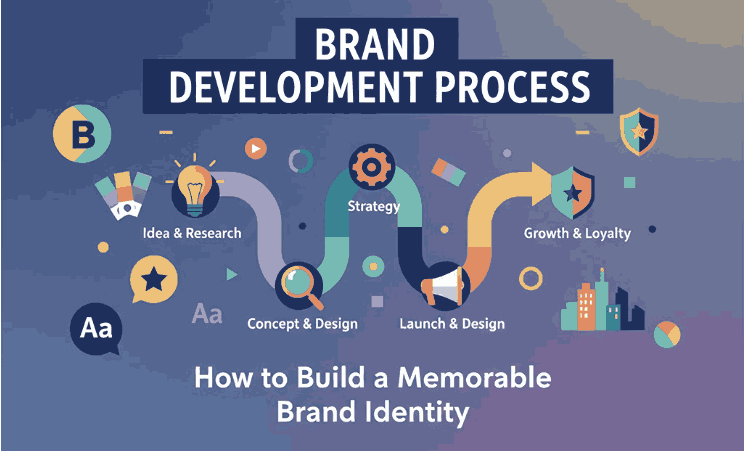
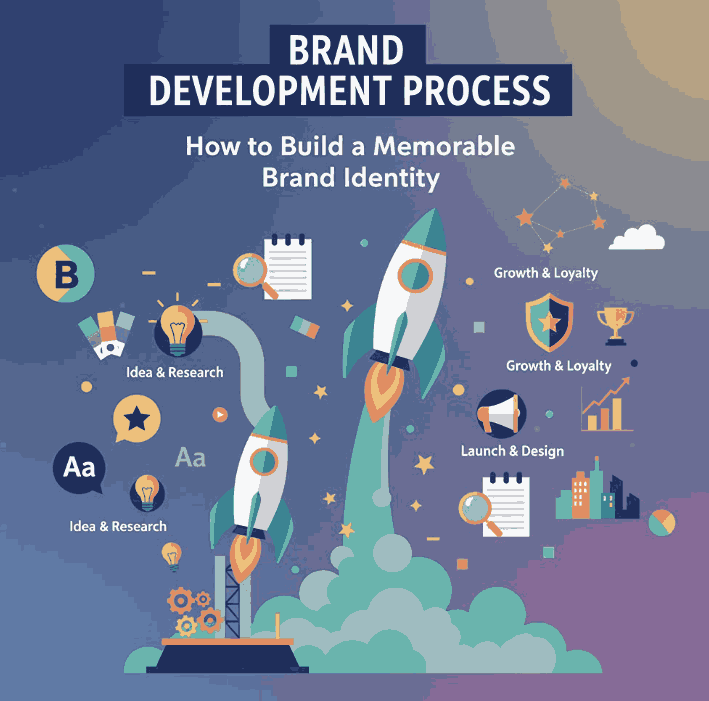
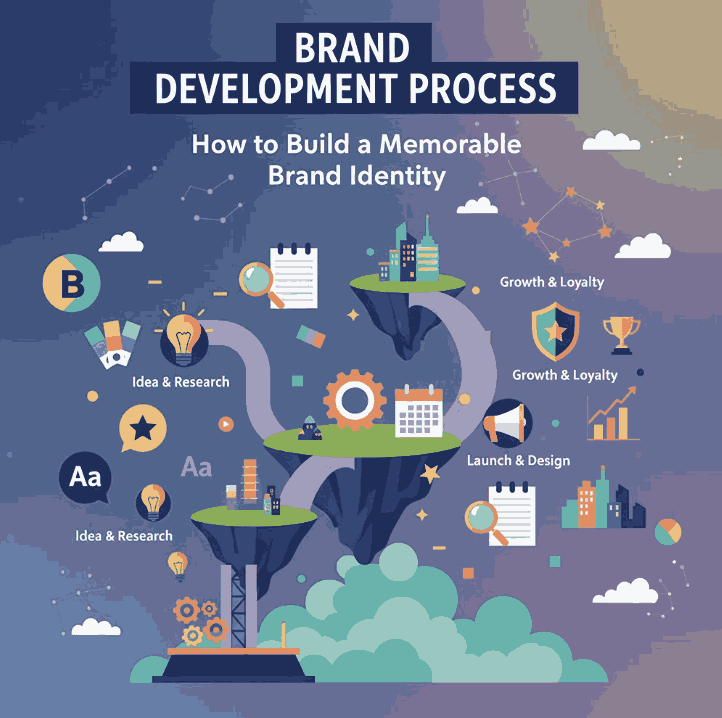
Brand Development Process: How to Build a Memorable Brand Identity

Brand Development Process

Table of Contents

  1. Introduction
  2. What Is Brand Development?
  3. The Importance of a Strong Brand
  4. Step-by-Step Brand Development Process
    • Step 1: Research and Analysis
    • Step 2: Define Your Brand Identity
    • Step 3: Create Your Visual Branding
    • Step 4: Develop a Consistent Brand Voice
    • Step 5: Implement and Monitor Your Brand
  5. Best Practices for Effective Brand Building
  6. Font Inspiration for Your Brand Design
  7. Conclusion
  8. References

1. Introduction

In today’s competitive market, a strong brand isn’t just about having a great logo or catchy slogan—it’s about building trust, recognition, and emotional connection. The brand development process helps transform your business from a simple idea into a recognizable identity that resonates with your target audience.

Whether you’re a startup or a growing company, understanding how to strategically develop your brand is the foundation for long-term success.

Brand Development Process

2. What Is Brand Development Process?

Brand development refers to the strategic process of creating and strengthening your brand identity. It combines research, creativity, and consistency to establish a clear message and visual style that communicates who you are and what you stand for.

It’s not just about your logo or color palette—it’s about how people perceive your company. A well-developed brand conveys professionalism, trustworthiness, and authenticity.

3. The Importance of a Strong Brand Development Process

A strong brand offers several advantages:

  • Builds customer trust and loyalty.
  • Differentiates your business from competitors.
  • Increases brand recall and recognition.
  • Supports consistent marketing strategies.
  • Boosts long-term profitability.

A clear brand identity ensures that your audience immediately recognizes and connects with your values, products, and message.

4. Step-by-Step Brand Development Process

Step 1: Research and Analysis

Begin by understanding your market, audience, and competitors. Conduct:

  • Market analysis to identify trends.
  • Audience profiling to define customer personas.
  • Competitor audits to spot opportunities.

Research gives direction and ensures that your brand’s foundation is built on data, not assumptions.

Step 2: Define Your Brand Identity

This includes defining:

  • Mission and vision – what your brand stands for.
  • Core values – what principles guide your brand’s behavior.
  • Unique selling proposition (USP) – what sets you apart.

Your identity should reflect your tone, style, and promise to customers.

Step 3: Create Your Visual Branding

Your brand’s visual elements—logo, colors, typography, and imagery—are what people notice first. Each element must be consistent with your message and emotional tone.

Here are some beautiful font inspirations from CalligraphyFonts.net that can enhance your brand visuals:

  • Charima Sharene Font – Elegant and feminine, perfect for fashion or lifestyle brands.
  • Rustte Font – Bold and dynamic, ideal for branding with a strong personality.
  • Catcalling Font – Playful and handwritten, great for creative businesses.
  • Jalousie Font – Classy and refined, suitable for premium or boutique brands.

Step 4: Develop a Consistent Brand Voice

Your brand voice is how you communicate. Whether it’s formal, friendly, or witty, your tone should match your brand identity and be consistent across platforms—website, emails, packaging, and social media.

A clear, consistent voice helps build emotional connection and recognition.

Step 5: Implement and Monitor Your Brand

Once your branding is complete, it’s time to roll it out. Apply your logo, fonts, and color schemes across all materials—digital and physical.

Regularly monitor brand performance through:

  • Social media engagement
  • Customer feedback
  • Brand awareness surveys

Adapt and evolve your strategy as your market changes.

Brand Development Process

5. Best Practices for Effective Brand Building

  • Be authentic—people connect with genuine stories.
  • Keep your visuals consistent.
  • Prioritize customer experience.
  • Evolve your brand with feedback.
  • Stay true to your mission and values.

Branding is not a one-time task; it’s an ongoing commitment to your audience.

6. Font Inspiration for Your Brand Design

Typography plays a major role in shaping brand perception. The right font can elevate your logo, website, and product design.
Explore the full collection of handcrafted fonts at CalligraphyFonts.net to find typefaces that bring your brand to life.

7. Conclusion

The brand development process is the foundation of every successful business. It’s about more than visuals—it’s about creating a unified experience that inspires trust, loyalty, and recognition.

By combining strategy, creativity, and consistency, your brand can stand out and leave a lasting impression.

Start building your identity today with the right fonts and design tools to express your unique story.

8. References

  • Canva — The Essential Guide to Branding
  • Wikipedia — Brand (encyclopedic background and references)
  • Din Studio — 4 Simple Steps to Build Branding
Posted on

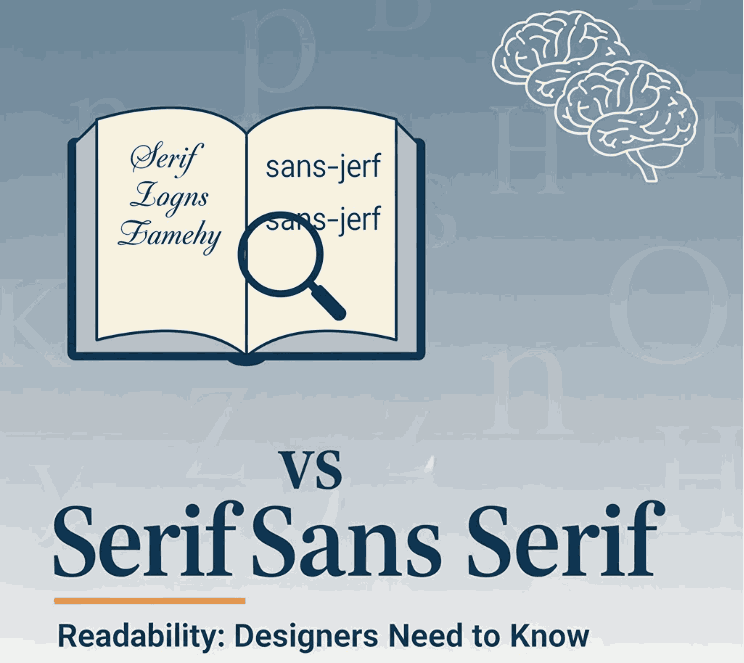
Serif vs Sans Serif Readability: New Designers Need to Know

Sans Serif Readability

Table of Contents

  1. Introduction
  2. What Are Serif and Sans-Serif Fonts?
  3. The Readability Debate: Serif vs Sans Serif
  4. Key Factors That Influence Readability
  5. How This Applies to Your Font Design & Mockups
  6. Font Examples for Mockups & Practice
  7. Conclusion
  8. References

1. Introduction

When choosing typefaces for branding, web design, print or packaging, one of the most common questions is: “Should I use a serif or Sans Serif Readability” The short answer: it depends. In this article we’ll explore the nuance of serif vs sans serif readability, examine scientific research, highlight key influencing factors, and show how you can apply this knowledge to your font-design business at CalligraphyFonts.net.

2. What Are Serif and Sans Serif Readability Fonts?

A serif font features small decorative strokes or “feet” at the ends of letterforms. The term “serif” comes from the Dutch word schreef meaning a line or stroke.
A sans-serif font (from French sans meaning “without”) lacks those extra strokes, giving a cleaner and more modern appearance.
From a designer’s perspective:

  • Serif fonts often convey tradition, formality, readability in print.
  • Sans-serif fonts often convey modernity, clarity, minimalism—especially in digital contexts.
Sans Serif Readability

3. The Readability Debate: Serif vs Sans-Serif

For decades, designers and typographers assumed serifs help guide the eye along lines of text (especially in print) and thus improve readability. But what does the research say?

Research Highlights

  • A study published by PMC found that participants read slightly faster and more accurately from sans‐serif typefaces in some digital contexts.
  • Another review notes: “There is no evidence that serif or sans‐serif significantly impacts readability.”
  • A 2023 article in Readable states that the “sans‐serif is easiest” assumption isn’t always true, and that reading speed/comprehension depends on many factors beyond serif presence.
  • A font-readability blog notes: “Serif fonts were slightly more legible for printed text with no anti-aliasing; sans-serif performed best on screen with anti-aliasing.”

What It Means

In practical terms:

  • In print contexts or very small type sizes, serif fonts may offer a slight advantage (though not huge).
  • On digital screens, high resolution and anti-aliasing have reduced the advantage of serifs; many sans-serif fonts perform equally well or better.
  • Ultimately readability depends more on font design quality, x-height, letter spacing, contrast, line length, line spacing, and audience context.

4. Key Factors That Influence Sans Serif Readability

When thinking about serif vs sans-serif readability, keep these factors in mind—they often matter more than the presence or absence of serifs:

  • x-Height & letter proportions: A larger x-height tends to improve legibility.
  • Stroke contrast: High contrast (thin/thick strokes) may reduce readability, especially at small sizes or screen resolution.
  • Spacing (kerning/leading/tracking): Tight spacing can hinder readability; generous spacing helps.
  • Line length & layout: Very long lines of text reduce readability regardless of font style.
  • Medium & resolution: On low-resolution screens, serifs may blur; on print or high-dpi displays, this is less an issue.
  • Audience & context: Readers with visual impairment or dyslexia may respond differently; some studies suggest sans‐serif may have slight advantages for certain groups.

5. How This Applies to Your Font Design & Mockups

As a font-design business (CalligraphyFonts.net) you’re not just choosing fonts—you’re creating them and selling to other designers. Here’s how you can apply the readability insight:

  • Design for context: If a font is intended for body text (print or long reading), then consider serif or well-designed sans with strong x-height and spacing.
  • Mockup your fonts in both display and text usage so customers see readability in context.
  • Use your fonts in relevant digital or print scenarios:
    • For example, a font designed with strong x-height and simplified forms will work well on screen as a sans-serif choice even if it has subtle serifs.
  • Educate your customers: In your product descriptions mention readability context—“ideal for screen use”, “optimized for print body copy”, etc.
  • Pair fonts thoughtfully: When using display fonts (for headlines) vs text fonts (body), the readability requirements differ—display can be more stylised, text needs clarity.
    By aligning font style with readability research (rather than simply relying on “serif for print, sans for web”), you’ll build trust and credibility with your customers.
Sans Serif Readability

6. Font Examples for Mockups & Practice

Here are four fonts from your collection that you can use for readability-focused mockups and display them in contexts (print vs screen) to showcase versatility:

  • Faint Green Font – Try this in body text print mock-up to illustrate serif readability in print context.
  • Clangorous Font – Use in bold headings or web hero to show how sans-serif or hybrid forms perform on screen.
  • Barley Round Font – A friendly rounded sans-serif ideal for digital reading and lifestyle brand usage.
  • Patriotics Font – Vintage-inspired serif display font – good for print use or headings where tone and readability matter.

Show your audience how each font performs in both screen and print contexts, and you’ll not only sell fonts—you’ll educate your market and position your brand as expert.

7. Conclusion Sans Serif Readability

The serif vs Sans Serif Readability discussion doesn’t have a one-size-fits-all answer—but the takeaway is clear: context matters more than dogma. Good font design, appropriate spacing, layout and medium matter more than whether a font has serifs. For your font-design business, that means being deliberate about readability in every mockup, controlling context, and educating your customers. By doing so, you set your fonts apart as thoughtful, usable, and high-quality assets — not just pretty typefaces.

8. References

Posted on

Graphic Design Trend Forecast 2024: What Will Define New Visual Creativity This Year

Graphic Design Trend Forecast

Table of Contents

  1. Introduction
  2. Why Graphic Design Trends Matter
  3. The Biggest Graphic Design Trends of 2024
     3.1 Minimalism with a Modern Twist
     3.2 Retro Revival and Nostalgia
     3.3 Bold Typography and Experimental Fonts
     3.4 3D and Motion Design Integration
     3.5 Sustainable and Eco-Friendly Visuals
     3.6 AI-Driven Design Tools
  4. How Designers Can Adapt to These Trends
  5. Recommended Fonts to Match 2024’s Visual Style
  6. Final Thoughts
  7. References

1. Introduction

As we step into 2024, the world of graphic design continues to evolve at lightning speed. Technology, culture, and social change all influence how we communicate visually. The Graphic Design Trend Forecast for 2024 reveals a fascinating mix of nostalgia and innovation—where timeless design principles meet futuristic tools and aesthetics.

Whether you’re a brand designer, creative director, or font creator, understanding these upcoming Graphic Design Trend Forecast helps you stay relevant and produce work that resonates with your audience.

Graphic Design Trend Forecast

2. Why Graphic Design Trend Forecast Matter

Graphic design trends are not just fleeting visual fads; they represent how human behavior and technology merge to shape visual culture. For professionals, following these trends means:

  • Staying aligned with audience expectations
  • Keeping designs visually fresh and competitive
  • Improving brand recognition through modern aesthetics

At CalligraphyFonts.net, where creativity meets craftsmanship, following visual trends also helps you design fonts that fit into the ever-changing digital landscape.

3. The Biggest Graphic Design Trend Forecast of 2024

Here’s a look at the dominant creative directions predicted to shape the industry this year.

3.1 Minimalism with a Modern Twist

Minimalism isn’t going anywhere—but 2024’s version comes with personality. Expect to see clean layouts with subtle gradients, dynamic asymmetry, and bold negative space. The goal? To create elegant simplicity that still feels expressive.

Designers are moving toward “warm minimalism”—using soft color palettes, human-centered imagery, and balanced typography to maintain sophistication without feeling sterile.

3.2 Retro Revival and Nostalgia

The return of the Y2K and ’80s–’90s retro aesthetics continues to dominate. From chrome effects and holographic textures to grainy filters and hand-drawn fonts, nostalgia remains a strong emotional trigger.

This blend of old and new creates familiarity while remaining visually exciting—perfect for social media campaigns, music posters, and brand visuals.

3.3 Bold Typography and Experimental Fonts

Typography takes center stage in 2024. Designers are using custom typefaces, layered textures, and variable fonts to express brand personality.
If you want to incorporate trend-aligned typography, explore these examples:

  • Classicly Font — a timeless serif that fits minimalist and editorial aesthetics.
  • Jaycee Looks Font — perfect for vibrant, modern-retro compositions.
  • Rellative Font — ideal for bold, headline-driven layouts.
  • Vineland Font — stylish and sophisticated, great for brand logos or packaging.

These fonts capture the essence of 2024’s design movement: a balance between clarity, expression, and innovation.

3.4 3D and Motion Design Integration

Motion graphics and 3D design continue to merge into mainstream brand identity. Animated typography, immersive visuals, and subtle motion in UI design are becoming essential.
With the rise of AR/VR, designers are exploring interactive storytelling, where static visuals come to life. Tools like Blender and After Effects are now standard for many designers who want to add dimension to their work.

3.5 Sustainable and Eco-Friendly Visuals

As sustainability becomes central to global consciousness, design is reflecting this shift. 2024 brings more earth-inspired tones, natural textures, and organic shapes.
Brands are emphasizing authenticity and ethical design—moving away from over-production toward timeless, minimalist visual systems. Fonts that feel handcrafted or organic fit perfectly into this movement.

3.6 AI-Driven Design Tools

Artificial intelligence has revolutionized how designers brainstorm, create mockups, and explore new visual ideas. AI tools like Adobe Firefly, Midjourney, and ChatGPT are not replacing creativity—they’re amplifying it.
Designers who understand how to collaborate with AI can increase productivity while maintaining artistic integrity. Expect AI-generated art, smart layouts, and predictive color harmonies to play major roles in 2024’s workflows.

4. How Can Adapt to These Graphic Design Trend Forecast

To stay ahead in 2024:

  • Stay curious — follow design blogs, attend webinars, and observe top agencies.
  • Experiment often — create mockups using the latest design software or new font combinations.
  • Refine your typography — test modern fonts and variable weights for flexibility.
  • Collaborate with AI tools — use them for idea generation, but always apply your human creativity.
  • Build a timeless portfolio — integrate trendy design ideas while preserving your personal style.

By balancing trends with originality, you’ll maintain both relevance and authenticity.

Graphic Design Trend Forecast

5. Recommended Fonts to Match 2024’s Visual Style

Typography is a major driver of 2024’s aesthetic direction. Here are curated fonts from your collection that complement this year’s design mood:

  • Classicly Font – clean and classy, ideal for minimalist branding.
  • Jaycee Looks Font – bold and futuristic, great for trend-forward logos.
  • Rellative Font – contemporary yet timeless for editorial projects.
  • Vineland Font – elegant curves and humanist design perfect for creative campaigns.

These typefaces not only align with the graphic design trend forecast 2024 but also demonstrate the craftsmanship that defines CalligraphyFonts.net.

6. Final Thoughts Graphic Design Trend Forecast

The Graphic Design Trend Forecast for 2024 paints a picture of creativity that merges technology, emotion, and timeless beauty. From AI-powered design tools to nostalgic fonts, this year encourages experimentation and authenticity.
For font creators and graphic designers alike, embracing these shifts means staying not just current—but visionary.

Explore these trends, try new fonts, and let your work inspire the next generation of design innovation.

7. References

Posted on

Ways to Sharpen Your Design Skills: A Practical New Guide for Creatives

Improve Design Skills

Table of Contents

  1. Introduction
  2. Why Continual Skill Improvement Matters in Graphic Design
  3. Top 6 Ways to Sharpen Your Design Skills
     3.1 Practice Regularly and Set Design Challenges
     3.2 Study Design Principles and Trends
     3.3 Use & Experiment with Typography and Fonts
     3.4 Learn New Tools, Tutorials & Resources
     3.5 Seek Feedback, Join Communities & Collaborate
     3.6 Build Real-World Projects and a Portfolio
  4. How a Font-Design Business Benefits from Sharpened Skills
  5. Example Fonts for Practice & Creative Use
  6. Conclusion
  7. References

1. Introduction

In the fast-moving world of Improve Design Skills, standing still is not an option. Whether you’re a seasoned creative or just starting out, there is always room to refine your craft. Here, we explore ways to sharpen your Improve Design Skills, focusing on practical, actionable strategies. For a team like yours—designing, creating, and selling fonts at CalligraphyFonts.net—improved design skills aren’t just nice to have; they’re essential to keep your work fresh, your brand relevant, and your products valuable.

Improve Design Skills

2. Why Continual Matters in Graphic Improve Design Skills

Graphic design increasingly demands not just aesthetic sense but also versatility: adapting to new tools, typography trends, branding changes, and market shifts. According to Format, there are “10 Extremely Helpful Free Graphic Design Courses” emphasizing the need to keep learning.
Upgrading your skills helps you:

  • Create more innovative font products and creative design mockups
  • Position your brand (CalligraphyFonts.net) as expert and trend-forward
  • Attract clients/designers who value higher skill and creativity
  • Stay competitive in an evolving marketplace

3. Top 6 Ways to Sharpen Your Improve Design Skills

Here are the most effective ways you and your team can develop and refine your design craft.

3.1 Practice Regularly and Set Design Challenges

Just like mastering a musical instrument, design skills improve through practice. Set mini-challenges: redesign a poster in 30 minutes, experiment with a new font pairing, or create a font mockup in a style you haven’t tried. Consistent sketching or digital experiments keep your creativity active.

3.2 Study Design Principles and Trends

Understanding fundamentals (balance, contrast, hierarchy) allows you to build stronger designs. Also, keeping up with current design trends gives you fresh perspectives. Sites like Shillington’s “48 essential free resources for graphic designers” provide a wealth of material for study and inspiration.

3.3 Use & Experiment with Typography and Fonts

Typography is a core part of design—and for your business it’s central. Experiment with font pairings, custom letterform details, spacing and hierarchy. Practice using fonts in different contexts — branding, packaging, social media. For example:

  • Hashtag Trend Font – try bold headlines and pairing with light body fonts.
  • Shotflick – experiment with playful typography layouts.
  • Holters Font – use for minimalist or tech-inspired design.
  • Richness Font – explore premium and high-end branding applications.
    Such hands-on use deepens your sense of typography, spacing, visual tone—skills that distinguish top designers.

3.4 Learn New Tools, Tutorials & Resources

The landscape of design tools evolves quickly. From UI/UX apps to motion graphics to AI-assisted design, staying current expands your capability. The “Top 26 Graphic Design Resources” article lists excellent resources for inspiration and skill-building.
Register for online tutorials, explore new software, follow design blogs, and build a resource library.

3.5 Seek Feedback, Join Communities & Collaborate

Improvement often comes faster when you expose your work to others. Join design communities (Behance, Dribbble), participate in challenges, share your font design work and ask for critiques. According to Studio Seaside, “joining a creative community… is a great way to sharpen your skills and grow.”
Collaboration—with other designers or via client projects—also forces you to adapt, solve new problems, and raise your standard.

3.6 Build Real-World Projects and a Portfolio

Theory is valuable, but applying design to real projects is where learning gets solid. Build mockup campaigns, take on freelancing jobs, design branding for fictional companies using your own fonts. A strong portfolio demonstrates your skills—and helps you validate how your fonts perform in real usage. Writing case-studies or blog posts around your process also reinforces what you learn.

4. How a Font-Design Business Benefits from Sharpened Improve Design Skills

For your business at CalligraphyFonts.net, sharpening design skills translates to product and branding advantages:

  • You create cleaner, more appealing fonts that address designer needs.
  • Your font product pages become more compelling with strong mockups and layouts.
  • Your brand voice becomes confident—you can share tutorials, case studies, design insights (which also attracts traffic).
  • Better design skills lead to better font pairings, advanced type treatments, and higher perceived value.
  • Your aesthetic stays current and relevant, enabling you to follow trends without losing your identity.

In short: improved design skills strengthen your product line and your brand position.

Improve Design Skills

5. Example Fonts for Practice & Creative Use

Here are selected fonts from your collection that you can use for skill-sharpening and also highlight in your blog:

  • Hashtag Trend Font – great for bold typography experiments.
  • Shotflick – playful and modern, ideal for design explorations.
  • Holters Font – sleek and stylish for minimalist or tech-branding practice.
  • Richness Font – premium look for high-end brand design practise.

Use these in your tutorial content, mock-ups, and experiments to reinforce your design practice and also showcase product value.

6. Conclusion Improve Design Skills

Sharpening your Improve Design Skills isn’t a one-time task—it’s a continuous journey of deliberate practice, study, collaboration, and real-world application. For a font-design business like yours, the payoff is twofold: you become a stronger designer and you develop more impactful, market-relevant products. Dive into the strategies above, make them part of your creative routine, and watch how your work, your fonts, and your brand all benefit.

7. References

  • Format — “10 Extremely Helpful Free Graphic Design Courses.”
  • Shillington Education — “48 Essential Free Resources for Graphic Designers.”
  • Studio Seaside — “5 Resources Every Graphic Designer Should Know About.”
  • Designity — “Top 25 Graphic Design Resources.”
  • EdEx Adobe — “20 Resources to Learn Graphic Design.”
Posted on

Principles of Graphic Design: The Foundation of Visual New Communication

Principles of Graphic Design

Table of Contents

  1. Introduction: Why Graphic Design Principles Matter
  2. The 7 Core Principles of Graphic Design
     • Balance
     • Contrast
     • Alignment
     • Repetition
     • Proximity
     • Hierarchy
     • Space
  3. Applying Design Principles in Branding and Marketing
  4. The Role of Typography in Graphic Design
  5. Recommended Fonts for Creative Projects
  6. Final Thoughts
  7. References

1. Introduction: Why Graphic Design Principles Matter

Principles of Graphic Design is more than just making something look attractive—it’s about communication, clarity, and impact. The Principles of Graphic Design serve as the backbone of every visual creation, ensuring that your message connects effectively with your audience.

Whether you are designing a brand logo, a poster, or a website interface, understanding these principles helps you build visuals that are balanced, intentional, and emotionally engaging. In today’s digital world, where visuals dominate marketing strategies, mastering these fundamentals can set your work apart.

Principles of Graphic Design

2. The 7 Core Principles of Graphic Design

Let’s explore the essential principles that every designer should understand and apply.

Balance

Balance refers to the distribution of visual weight within a design. It can be symmetrical (where both sides mirror each other) or asymmetrical (where visual interest is created through contrast and variation). A balanced layout ensures that no part of the design feels heavier than the other.

Contrast

Contrast highlights differences in color, size, shape, and texture to create emphasis. It helps guide the viewer’s attention to the most important elements, such as headlines or calls to action. High contrast is also essential for readability and accessibility.

Alignment

Alignment ensures that every element on a page visually connects to another. Proper alignment creates structure, order, and a professional appearance. Misalignment, on the other hand, can make a design appear chaotic or unbalanced.

Repetition

Repetition builds consistency by reusing visual elements such as fonts, colors, and shapes. It reinforces branding and helps establish a recognizable identity across different materials like brochures, websites, or social media posts.

Proximity

Proximity groups related items together, making the design easier to navigate. By organizing content logically, proximity helps viewers quickly understand relationships between elements—improving both aesthetics and usability.

Hierarchy

Hierarchy determines the order in which information is presented. Designers use size, weight, and placement to guide viewers from the most important to the least important information. For example, headlines should always stand out compared to body text.

Space

Space, often referred to as “white space,” gives designs room to breathe. It prevents overcrowding and helps highlight important content. Effective use of space contributes to elegance, readability, and a clean layout.

3. Applying Principles of Graphic Design in Branding and Marketing

The principles of graphic design are crucial in building a consistent and memorable brand identity. A logo that follows these rules will communicate professionalism, while a marketing campaign that applies hierarchy and contrast effectively will attract more attention.

For instance, a brand that uses strong visual balance and clear hierarchy across its website and packaging will appear trustworthy and organized. When combined with a cohesive color palette and thoughtful typography, these design principles can create a powerful emotional connection with customers.

4. The Role of Typography in Principles of Graphic Design

Typography is a vital part of design—it influences tone, personality, and readability. Choosing the right font can transform a design from ordinary to extraordinary. Serif fonts convey tradition and authority, sans-serif fonts evoke modernity, and script fonts add a touch of elegance or creativity.

If you’re a designer looking to experiment with stunning typefaces, you can explore premium fonts at Calligraphy Fonts, where artistry meets functionality. The right typography can bring balance and harmony to your overall design composition.

Principles of Graphic Design

5. Recommended Fonts for Creative Projects

Here are some fonts that work perfectly when applying the Principles of Graphic Design to your branding or artwork:

  • Overcame Font – A bold and elegant typeface that captures strength and determination.
  • Ballerinas Font – Perfect for designs that require a graceful and artistic touch.
  • Ameralda Font – A luxurious and stylish font ideal for branding and logo design.
  • Catcalling Font – Great for creative posters and modern minimalist projects.

Each of these fonts exemplifies different principles like contrast, balance, and repetition—helping you achieve a harmonious and engaging design.

6. Final Thoughts

Understanding and applying the principles of graphic design is essential for creating visually compelling work that communicates effectively. Every line, color, font, and space you use contributes to how your audience perceives your design.

By combining these principles with quality typography from CalligraphyFonts.net, you can produce professional and memorable visuals that strengthen brand identity and capture attention in a competitive creative market.

7. References