Posted on

What is Brand Identity: More Than Just a New Logo

What is Brand Identity

Table of Contents

  1. Introduction
  2. Defining Brand Identity
  3. Why Brand Identity Matters
  4. Key Elements of a Strong Brand Identity
  5. How Typography & Fonts Shape Brand Identity
  6. Applying Brand Identity to Your Design — Practical Tips
  7. Final Thoughts
  8. References

1. Introduction

When people think of branding, the logo often comes to mind—yet brand identity is much more than a single graphic. A well-crafted What is Brand Identity shapes how your business looks, feels, sounds, and behaves. For creative entrepreneurs, designers, and font creators (such as at CalligraphyFonts.net), understanding what brand identity is—and how to use it—is essential to stand out in a crowded marketplace.
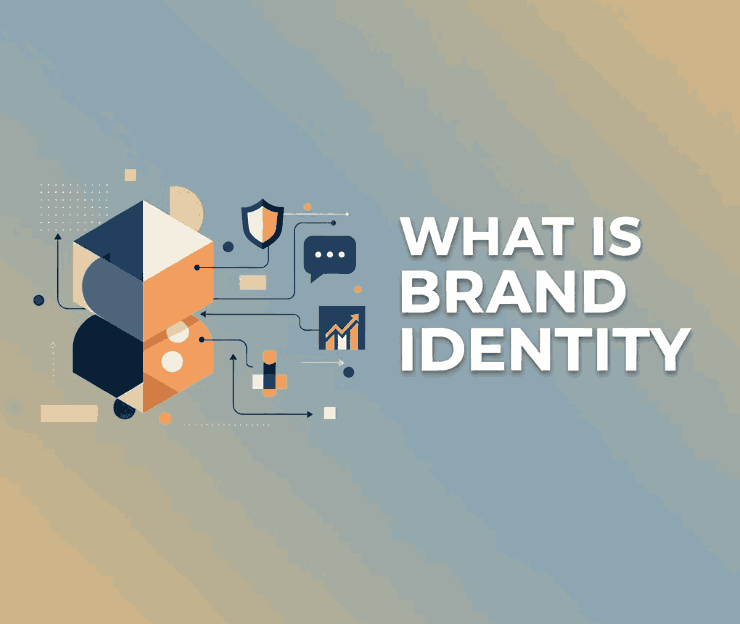
What is Brand Identity

2. Defining Brand Identity

According to the American Marketing Association, brand identity is the visual and symbolic elements that represent a brand. American Marketing Association In simpler terms, it’s how your brand wants to be perceived: its mission, values, visuals, voice, and behaviour. One branding journal describes it as “the unique characteristics that influence a brand’s perceived personality, appearance, and behaviour.”

It’s important to distinguish brand identity from brand image:

  • Brand identity = what you design and present.
  • Brand image = how your audience perceives you.

In other words: you create the identity; the market receives the image.

3. Why Brand Identity Matters

A strong brand identity brings several business and creative benefits:

  • Recognition & differentiation: It helps your brand stand apart from competitors.
  • Consistency & trust: When visual and verbal elements are consistent, people recognise and trust your brand.
  • Emotional connection: A clear identity helps your audience feel aligned with your values and story.
  • Design efficiency: Once identity guidelines are established, every visual decision becomes easier (fonts, colours, imagery).
    For designers and font-makers, brand identity isn’t just a marketing term—it’s the framework within which your products (fonts, graphics, design assets) live.

4. Key Elements of a Strong What is Brand Identity

Brand identity is composed of both visual and verbal/experiential elements. Here are major components often cited:

Visual Elements

  • Logo and wordmark — the anchor of your brand visuals.
  • Colour palette — a set of primary and secondary colours that reflect your brand’s personality.
  • Typography / Fonts — the typefaces your brand uses (headings, body text, display) are a vital identity tool.
  • Imagery and iconography — how your brand uses photos, illustrations, symbols.
  • Graphic style & layout — shapes, patterns, lines that make your visual identity coherent.

Verbal & Experiential Elements

  • Brand story & purpose — why your brand exists and what it stands for.
  • Tone of voice — how your brand “speaks” in writing and messaging.
  • Customer experience & touchpoints — every interaction (website, packaging, social media) reflects identity.
    Altogether, these elements form a system: when used consistently, they create a unified brand identity that your audience recognises and trusts.

5. How Typography & Fonts Shape What is Brand Identity

For a website like CalligraphyFonts.net—where you design, make, and sell fonts—typography plays an especially key role in brand identity. The fonts you create are both product and identity asset.

Here are some of your featured fonts that can embed brand identity in visual form:

  • Overcame Font — Dynamic, expressive script suited for brands that want energy and movement.
  • Creatoria Font — Artistic and refined, ideal for creative agencies or premium products.
  • Outrageous Font — Bold and full of life, for brands that wish to make a statement.
  • Dreamy Loly Font — Soft, whimsical, perfect for lifestyle or creative branding with personality.

Why these matter for What is Brand Identity:

  • Personality: The font choice communicates tone (serious, playful, premium, artisanal).
  • Differentiation: A custom or distinctive font helps your brand stand out and feel unique.
  • Consistency: Using a font family across headings, body text, and visuals ensures consistent look and feel.
  • Level of finish: Quality fonts contribute to perceived professionalism and brand value.

When you incorporate font choices consciously as part of your brand identity (not just as decoration), you strengthen your brand’s visual voice across all touchpoints.
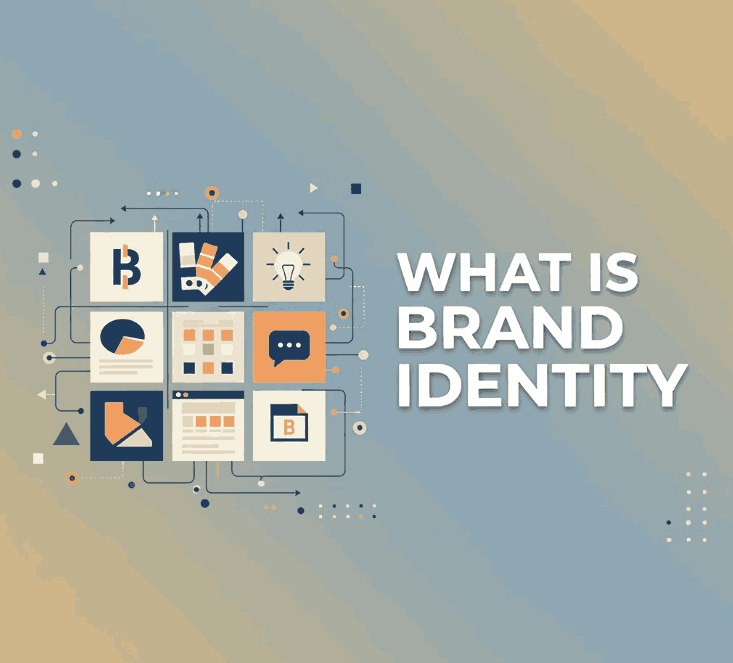
What is Brand Identity

6. Applying What is Brand Identity to Your Design — Practical Tips

Here are practical steps to build, refine and apply brand identity—especially relevant if you’re a designer, creative studio or font business:

  1. Start with strategy: Define your brand’s purpose, target audience, positioning and values. Without this, identity is shape without meaning.
  2. Audit what exists: Look at your current logo, fonts, colours, tone. Are they aligned? Are they consistent?
  3. Select your visual tools:
    • Choose a font family for your brand (e.g., your own font or one you sell).
    • Define primary and secondary colours.
    • Decide on photography or illustration style.
  4. Develop guidelines: Create a brand-style guide that includes fonts, logo usage, spacing, colours, tone of voice, imagery. This helps anyone working with your brand understand how to apply it.
  5. Apply across touchpoints: Website, product packaging, font mockups, social media, email templates. Consistency is key.
  6. Show the fonts in context: When you display your fonts (e.g., Overcame, Creatoria, Outrageous, Dreamy Loly), show how they function in branding scenarios — headlines, logos, signage, etc.
  7. Review and evolve: Markets change, design trends shift. Review your brand identity periodically to ensure it still reflects who you are and where you’re going.
  8. Embed identity in your story: Share not just “what” you do (selling fonts) but “why” you do it—why your fonts matter, how they help other brands express themselves. This narrative strengthens identity.

7. Final Thoughts

What is Brand Identity is far more than a logo—it’s the full expression of your brand’s personality, values, and visual voice. For font creators and designers, leveraging typography as a core part of your identity gives you an edge: you’re not simply selling fonts — you’re enabling identity for other brands and building one for your own.

If you craft your identity with intention—strategy, visuals, voice, typography, consistency—you build a brand that resonates, endures, and stands apart.

8. References

  • The Branding Journal – “What Is Brand Identity?”
  • Investopedia – “Brand Identity: What It Is and How To Build One”
  • Bynder – “The Key Elements of Brand Identity”
  • Canva – “What is Brand Identity (and how to build one)”
  • Marq – “The 7 key elements of brand identity design”
  • SendPulse – “What Is Brand Identity? Elements, Examples”
Posted on

Strong Brand Identity: How to Build a Visual Voice That Resonates

Strong Brand Identity

Table of Contents

  1. Introduction
  2. What is a Brand Identity?
  3. Why a Strong Brand Identity Matters
  4. Key Components of a Strong Brand Identity
  5. How Typography & Fonts Amplify Brand Identity
  6. Practical Steps to Build Your Brand Identity
  7. Maintaining and Evolving Your Brand Identity
  8. Conclusion
  9. References

1. Introduction

In a crowded marketplace where attention is scarce, Strong Brand Identity that stand out are those with a clear, consistent and memorable identity. Whether you’re a designer, a font maker, or a business building products and services, Strong Brand Identity gives you a visual and emotional voice. At CalligraphyFonts.net we understand how critical typography, style, and consistency are—not just in fonts but in the identity of a brand. In this article, we’ll break down what brand identity is, why it matters, and how you can build one — with a special emphasis on how fonts and typography play a powerful role.

2. What is a Brand Identity?

Brand identity isn’t just a logo or a colour palette—it’s the complete set of visual, verbal and experiential elements that convey what your brand stands for and how it wants to be perceived. As defined by Investopedia:

“Brand identity encompasses every way customers experience and perceive a business, from visual elements like logos to customer service interactions and marketing messages.”

In simpler terms: it’s how your brand looks, speaks, feels, and behaves. It includes your mission, values, tone of voice, visual assets, typography, packaging, website, and every touchpoint your audience has with you.

Strong Brand Identity

3. Why a Strong Brand Identity Matters

Here are key reasons why investing in a strong brand identity is essential:

  • Recognition & differentiation. A well-designed identity helps you stand apart from competitors and remain top-of-mind when a customer sees or hears your brand.
  • Trust & consistency. Consistency across touchpoints builds trust; customers come to expect and recognise your brand voice and visual cues.
  • Emotional connection. Branding isn’t just rational—it taps into emotions, values and stories. Brands that resonate emotionally are more memorable.
  • Scalability. As your business grows, a strong identity guides how every new piece (product, packaging, ad, font release) aligns with your core brand.

In short: a strong brand identity is a strategic asset, not just aesthetic.

4. Key Components of a Strong Brand Identity

When building a brand identity, you want to cover both visual and verbal/experiential components. Here are the major pieces:

Visual Identity

  • Logo and symbol: the visual anchor of your brand.
  • Colour palette: a set of primary and secondary colours that reflect your brand’s mood.
  • Typography / fonts: how your brand “speaks” visually in written form — font choices, spacing, weights.
  • Imagery and iconography: photography, illustrations, icons that align with brand personality.
  • Layout and design systems: how elements work together across website, packaging, print, etc.

Verbal & Experiential Identity

  • Brand story and values: what your brand stands for, your mission, vision.
  • Tone of voice & messaging: how your brand communicates (formal vs informal, playful vs serious).
  • Customer experience & touchpoints: how your audience interacts with your brand—from website to customer service.
  • Consistency across channels: every interaction reinforces the identity, otherwise mixed signals undermine trust.

5. How Typography & Fonts Amplify Brand Identity

At CalligraphyFonts.net, we know first-hand how typography is a powerful tool in brand identity. The right font choice can communicate personality, tone, and quality—even before your audience reads the words.

Here are some concrete examples from our own offerings:

  • Overcame Font – a bold, resilient script perfect for brands aiming to evoke strength, triumph and endurance.
  • Shailendra Font – elegant, flowing lines for premium, sophisticated brands.
  • Jalousie – a playful, modern style ideal for creative, youthful brands.
  • Souther Font – classic yet versatile typography to anchor timeless brand identities.

Why fonts matter in brand identity

  • Typography is part of the visual identity toolkit (just like colour, logo) and is often forgotten. Yet studies show font choices influence perceptions of professionalism, creativity, and even price.
  • Fonts help establish mood: a clean sans serif suggests modern, efficient; a handwritten script suggests friendly, artisanal; a serif suggests traditional, trustworthy.
  • Consistent use: once you choose your brand fonts (primary and secondary), you must use them consistently across all channels. Changing fonts randomly dilutes recognisability and credibility.

So when you build your brand identity, treat your font choices as a core asset—not an afterthought.

Strong Brand Identity

6. Practical Steps to Build Your Strong Brand Identity

Here’s a structured approach you can follow:

  1. Define your brand purpose, vision and values
    Ask: Why does the brand exist? What mission drives it? What values guide it?
  2. Research your audience, market and competitors
    Understand who your customers are, what they want, how they talk, what gaps exist in the market.
  3. Develop your visual foundation
    • Choose your logo, colours, typography (fonts), imagery style
    • Decide on primary font(s) – for example, use one font for headings (premium script) and another for body copy (clean sans serif)
    • Build a simple brand style guide with “dos & don’ts”.
  4. Craft your verbal identity & messaging
    • Define tone of voice, key messaging pillars, brand story
    • Create tagline/slogan if needed
  5. Apply your identity consistently across touchpoints
    • Website, social media, packaging, print, signage
    • Use your brand fonts (e.g., Overcame, Shailendra, etc), colours, logo consistently
  6. Roll out internally & train your team/partners
    • Ensure everyone understands your brand identity and knows how to use brand assets correctly.
  7. Monitor, measure, and evolve
    • Track how your brand is recognised, perceived, and used
    • Refresh when necessary to stay relevant (but keep core identity stable)

7. Maintaining and Evolving Your Strong Brand Identity

Building your brand identity is just the beginning—maintaining and evolving it is equally important.

  • Stay consistent: Once you’ve defined your identity, resist random changes. Consistency builds recognition.
  • Audit periodically: Is your identity still relevant to your audience? Has the market changed? Do your fonts, colours, imagery still reflect your brand?
  • Refreshed but recognisable: Brands can evolve—think small tweaks to logo, updated fonts or updated imagery—but avoid a radical change that confuses your audience.
  • Train new team members & partners: As you grow, you’ll have more people touching your brand. Make sure they understand the identity, fonts, assets, style guide.

8. Conclusion

A Strong Brand Identity is far more than aesthetic—it’s the strategic foundation for how your audience perceives, trusts and engages with your brand. By carefully crafting your purpose, visual identity (including the right fonts), and verbal voice—and by applying them consistently—you build recognition, emotional connection, and value. At CalligraphyFonts.net our font designs provide one of the building blocks for that identity, helping you select typography that aligns with your brand’s voice and style. Use the guidance above to define your brand identity and then apply it across every touchpoint, from your website to your next packaging design. The result? A brand that stands out, resonates, and endures.

9. References

  • Canva — “What is brand identity? (and how to build one)”
  • Canva — “Creating a brand style guide: templates, how-to, tips”
  • WareSpace — “Building a Strong Brand for Your Small Business”
  • Forbes — “13 Effective Methods To Help You Build A Strong Brand Identity”
Posted on

Creative Thinking Habits: Unlocking Your Everyday New Innovation in 2025

Creative Thinking Habits

Table of Contents

  1. Introduction
  2. Understanding Creative Thinking
  3. Why Habits Shape Your Creativity
  4. Daily Habits That Boost Creative Thinking
  5. The Role of Environment and Design
  6. How Fonts Influence Creativity
  7. Final Thoughts
  8. References

1. Introduction

Creative Thinking Habits is not just a gift reserved for artists, designers, or inventors — it’s a habit that anyone can develop. Whether you’re designing a new product, writing, or managing a business, Creative Thinking Habits can help you unlock new ideas and approach problems from fresh perspectives.

In this article, we’ll explore how small daily habits can improve your creative process, and how visual design elements — like typography — can enhance Creative Thinking Habits and emotional connection.

2. Understanding Creative Thinking Habits

Creative thinking involves seeing patterns, making unexpected connections, and transforming simple ideas into innovative solutions. It’s the ability to think beyond the obvious and to challenge conventional assumptions.

Modern psychology defines creative thinking as a combination of divergent thinking (generating many unique ideas) and convergent thinking (narrowing down to the most effective solution).
According to Harvard Business Review, creativity flourishes when people allow themselves freedom to experiment and make mistakes — the essence of growth and innovation.

Creative Thinking Habits

3. Why Shape Your Creative Thinking Habits

Your mind thrives on repetition and structure. The way you start your day, the spaces you create, and the routines you maintain directly influence how easily creative thoughts flow.

Here are key reasons why habits matter:

  • Consistency builds creative stamina. Regular creative routines keep your mind flexible and resilient.
  • Small habits reduce mental barriers. By forming routines like journaling or doodling, you lower the pressure of “having to be creative.”
  • Positive repetition creates momentum. Each small action compounds, turning creativity into a natural part of your identity.

4. Daily Habits That Boost Creative Thinking Habits

Here are proven habits that can help you nurture your creativity:

1. Morning Mindset Reset

Start your day with mindfulness or journaling. Write down ideas, even unfinished ones — your subconscious will develop them later.

2. Surround Yourself with Inspiration

Design a workspace that sparks curiosity. Use textures, colors, and typography that make you feel creative.

Try experimenting with beautiful typefaces to enhance your workspace visuals:

  • Super Dreamer Font – perfect for motivational posters or quotes.
  • Hashtag Trend Font – ideal for modern social media projects.
  • Overcame Font – strong, inspiring, and perfect for branding that reflects resilience.
  • Kidsway Font – playful and imaginative, great for children’s projects or fun brainstorming visuals.

3. Practice Divergent Creative Thinking Habits

Set aside 10 minutes daily for free-flow brainstorming. Write or sketch as many ideas as possible, no matter how unrealistic.

4. Limit Distractions

Turn off notifications during your creative time. Protect your “deep work” sessions — even 30 minutes of focused thinking can make a difference.

5. Reflect and Reframe

Before ending your day, reflect on what you created. Reframing mistakes as “creative experiments” helps build confidence and persistence.

5. The Role of Environment and Design

Your environment plays a crucial role in shaping creative thinking. Studies from Stanford University show that creative performance increases by up to 60% in well-designed, aesthetically pleasing spaces.

Adding meaningful visuals like inspiring fonts, artwork, or color palettes can influence your emotions and cognitive flexibility. Typography, in particular, communicates tone, mood, and emotion — turning ideas into tangible forms of self-expression.

Creative Thinking Habits

6. How Fonts Influence Creative Thinking Habits

Fonts are more than just letters — they are visual voices. The typefaces you choose can set the mood for your creative process. For example:

Using different fonts can help you “shift creative gears.” When brainstorming, a playful font can loosen your mindset, while a bold, structured one can push you toward clarity and execution.

Typography is an underrated creativity tool — and incorporating it into your visual projects can enhance emotional resonance and design depth.

7. Final Thoughts

Developing creative thinking habits isn’t about waiting for inspiration — it’s about building consistent practices that invite it.
By cultivating curiosity, maintaining a positive mindset, and surrounding yourself with inspiring visuals (like stunning fonts from Calligraphy Fonts), you create the perfect foundation for continuous creative growth.

Remember: creativity grows through action. Start small, stay curious, and let your habits shape your imagination.

8. References

Posted on

Web Design Innovations, New Tools & Trends for 2025

Web Design Innovations Tools

Table of Contents

  1. Introduction: Why Innovation Matters in Web Design
  2. Key Trends Driving Web Design in 2024–2025
    • 2.1 AI & Machine Learning in Design
    • 2.2 Dark Mode, Fluid Layouts & Accessibility
    • 2.3 Microinteractions, Motion & Animation
    • 2.4 Bold Typography & Experimental Fonts
    • 2.5 3D, Immersive & WebXR Elements
    • 2.6 No-code / Low-code & Generative Design
  3. Tools Powering These Innovations
    • 3.1 Figma & AI-augmented design features
    • 3.2 Webflow, Framer & visual dev platforms
    • 3.3 Spline, Three.js & 3D / WebXR tools
    • 3.4 Tools for Microinteractions & Animation
    • 3.5 No-code / generative tools & AI assistants
  4. How Font Designers Can Ride the Trend Wave
  5. Mockup Examples with Our Fonts
  6. Tips to Stay Ahead in Web Design Innovation
  7. Conclusion & Call to Action
  8. References

1. Introduction: Why Matters in Web Design Innovations Tools

Web design is not static — it evolves with technology, user expectations, and creative exploration. The phrase web design innovations tools trends isn’t just buzzwords — it’s the lifeline for designers who want to stay relevant, efficient, and compelling.

For a site selling fonts and design assets (like yours), aligning your visual language, tools, and mockups with modern web trends is not optional — it’s strategic. In this article, we dive into the trends shaping 2024–2025, the tools enabling them, and how you as a font designer can integrate them into your visual offerings.

Web Design Innovations Tools

2. Key Trends Driving Web Design in 2024–2025

2.1 AI & Machine Learning in Web Design Innovations Tools

AI is no longer future speak — it’s here. Tools now generate images, themes, layouts, captions, and even micro-animations. Web design is shifting toward AI-assisted workflows that speed iteration and spark creativity.

Adaptive interfaces, personalized content, predictive UI elements — these are becoming integral as websites become more context-aware.

2.2 Dark Mode, Fluid Layouts & Accessibility

Dark mode continues its surge due to eye comfort, energy savings, and aesthetic appeal.

Another core movement is toward fluid layouts — sites that don’t rely on rigid breakpoints but scale proportionally across devices.

Accessibility is also front and center: inclusive color contrast, keyboard navigation, alt text, and responsive design — designers are treating it as fundamental, not optional.

2.3 Microinteractions, Motion & Animation

Subtle animations, hover effects, scroll transitions, cursor trails, loading micro-animations — these small touches bring delight and engagement. Innovation lies in making them lightweight, intuitive, and purposeful.

Also, textual animations and expressive transitions are rising, especially when typography is central in your design.

2.4 Bold Typography & Experimental Fonts

Typography is reclaiming its power in web design. Bold, expressive, variable fonts, kinetic type, layered type effects — all part of the trend to make text the hero.

In this context, font creators and sellers have a golden opportunity: offering fonts designed for web use (variable fonts, WOFF2), paired with innovative layouts, gives your customers creative edge.

2.5 3D, Immersive & WebXR Elements

The line between 2D websites and immersive experiences is blurring. Tools like Spline, Three.js, WebXR allow embedding 3D models, interactive scenes, or parallax spaces directly in the browser — without heavy plugins.

When used sparingly, 3D elements can enhance storytelling, product demos, or hero sections — if they’re performant and optimized.

2.6 No-code / Low-code & Generative Web Design Innovations Tools

Designers increasingly leverage visual dev platforms to skip manual coding. Webflow, Framer, Wix Studio, and others let you build with visual tools but output production-ready code.

Generative design tools help automatically generate layouts, themes, or variations — this trend accelerates experimentation. Paired with AI, you can iterate fast and test design hypotheses in minutes.

3. Tools Powering These Web Design Innovations Tools

Here are some tools at the forefront of the web design innovations tools trends:

3.1 Figma & AI-augmented design features

Figma remains central in collaborative UI/UX design. Its evolving support for AI agents, plugin ecosystem, and design systems make it a hub for experimentation.

3.2 Webflow, Framer & Visual Dev Platforms

Webflow merges visual design with code, enabling designers to build full websites. Framer extends interactive and animation capabilities.

3.3 Spline, Three.js & 3D / WebXR Tools

For immersive, 3D experiences in the browser, Spline is gaining ground as a designer-friendly 3D platform. Three.js is a powerful JavaScript library for custom 3D interactions.

3.4 Tools for Microinteractions & Animation

Tools and libraries like Lottie, GSAP, Motion One, Framer Motion help designers add performant animations. These integrate seamlessly with modern frameworks and visual tools.

3.5 No-code / Generative Tools & AI Assistants

Builder tools that accept design prompts and output websites (or UI kits) are trending. Platforms like Relume, Readymag, Pineapple Builder (AI-based) exemplify the shift toward prompt-to-site workflows.

4. How Font Designers Can Ride the Trend Wave

As someone running a font business, here’s how you can align with web design innovations:

  • Offer Web-optimized font formats: variable fonts, WOFF2, etc.
  • Showcase fonts in new contexts: 3D, immersive, dark mode, motion typography.
  • Create mockups tailored to modern trends: microanimation, hover effects, interactive samples.
  • Bundle trends-based templates: e.g. Webflow + font, Figma UI kits.
  • Educate customers: show tutorials or demos of your fonts in trending web designs.
Web Design Innovations Tools

5. Mockup Examples with Our Fonts

To illustrate how your fonts can shine in modern web designs, here are some examples you can build mockups for:

  • Aeromove Font — Use in bold, dynamic headers or hero text with subtle motion.
  • Technophile Font — Great for futuristic, tech-themed layouts with 3D or neon accents.
  • Holters Font — Good for bold statements, overlays, or title layers in immersive scenes.
  • Catcalling Font — A more expressive or stylized font, suited to creative or fashion web themes.

You can combine these fonts in mockups that show hover reveals, animated type, dark mode toggles, or 3D elements — demonstrating to clients how they behave in next-gen web contexts.

6. Tips to Stay Ahead in Web Design Innovations Tools

  • Follow trend reports (e.g. from Elementor, Hostinger) to spot shifts early.
  • Prototype fast & test — use no-code tools to explore new ideas before heavy dev.
  • Optimize performance first — fancy animations shouldn’t slow your site.
  • Stay accessible — always maintain contrast, navigation clarity, and keyboard usability.
  • Offer evolving mockups — update your font demo pages to reflect current trends.

7. Conclusion & Call to Action Web Design Innovations Tools

Web design innovations tools trends are reshaping how we build, deliver, and experience the web. For designers and font vendors, these shifts offer opportunity — if you adapt. By combining modern tools, immersive elements, motion, and bold typography, you make your fonts relevant in the next era of digital design.

Call to Action: Jika kamu mau, saya bisa bantu buat mockup template web (Figma/Webflow) dengan fontmu agar bisa langsung dipakai oleh klien. Mau saya bantu susun?

8. References

Posted on

Font Categories Explained: Unlock the Secrets of Typeface Mastery

Font categories explained

    Table of Contents

    1. Introduction
    2. Why Understand Font Categories?
    3. Major Font Categories (and Their Traits)
       3.1 Serif Fonts
       3.2 Sans-Serif Fonts
       3.3 Script Fonts
       3.4 Display & Decorative Fonts
       3.5 Monospaced & Handwritten Fonts
    4. How to Choose Font Categories for Your Project
    5. Mixing Fonts: Do’s & Don’ts
    6. Fonts as Brand Assets: Mockup Examples
    7. Case Study & Best Practice Insights
    8. Conclusion
    9. References

    1. Introduction

    Every designer, typographer, or brand owner should know: font categories explained is not just academic—it’s foundational. Fonts do more than render text; they carry tone, voice, identity, and clarity. Understanding font categories is key to selecting the right typefaces for your project, enhancing readability, and reinforcing brand perception.

    In this article, we’ll explain the main font categories, how to apply them in design, pitfalls to avoid, and how your own fonts (or mockups) can fit into this typographic taxonomy.

    2. Why Understand Font categories explained?

    Knowing font categories explained helps you:

    • Communicate more effectively (match style with message)
    • Improve readability and legibility
    • Establish a consistent visual identity
    • Avoid typographic clashes or confusion

    Designers often misuse fonts because they fail to grasp their underlying classifications and behavioral characteristics.

    Font categories explained

    3. Major Font categories explained (and Their Traits)

    3.1 Serif Fonts

    Serif fonts have small decorative strokes (serifs) at their letter ends. These evoke tradition, formality, and elegance. Common sub-categories include old style, transitional, modern, and slab serif.

    Use cases: books, magazines, editorial text, formal branding.
    Pros: excellent readability in print and long text.
    Cons: may appear heavy on screens at small sizes.

    3.2 Sans-Serif Fonts

    Sans-serif (“without serif”) fonts are cleaner and more modern. They have no extra strokes at ends, achieving a minimal, neutral, contemporary feel.

    Use cases: digital interfaces, UI, headlines, modern brands.
    Pros: high legibility on screens, scalable.
    Cons: may lack personality if overused.

    Sub-types: Grotesque, Neo-Grotesque, Geometric, Humanist.

    3.3 Script Fonts

    Script fonts mimic handwriting or calligraphy, featuring fluid, connected strokes. They convey elegance, personality, and emotion.

    Use cases: logos, wedding cards, invitations, accents.
    Pros: offers visual flair and unique identity.
    Cons: can harm legibility if used for large bodies of text.

    3.4 Display & Decorative Fonts

    These fonts are designed to attract attention at large sizes. They often break conventional rules, have exaggerated forms, or elaborate styling.

    Use cases: headlines, posters, branding, special effects.
    Pros: high impact and memorability.
    Cons: often unreadable at small sizes; overuse can distract.

    3.5 Monospaced & Handwritten Fonts

    • Monospaced: Each character occupies the same width (useful for code, tabular layouts).
    • Handwritten: Mimics natural handwriting (looser than script). Useful in creative or expressive contexts.

    Use cases: interfaces, code editors, casual designs.
    Pros: clarity in context, character.
    Cons: limited use in long paragraphs.

    4. How to Choose Font categories explained for Your Project

    When choosing after understanding font categories explained, consider:

    • Tone & Mood: Serif = trust, tradition. Sans = modern, clarity. Script = elegance.
    • Medium: Print vs digital: screen favors sans-serif or optimized serif.
    • Legibility Needs: Avoid ornate or decorative fonts in body text.
    • Brand Identity: Does the font reflect your core values?
    • Pairing Compatibility: Choose categories that harmonize when paired.
    Font categories explained

    5. Mixing Fonts: Do’s & Don’ts

    • Do pair a serif with a sans-serif for contrast.
    • Do limit font families: 2–3 is ideal.
    • Do maintain hierarchy and visual rhythm.
    • Don’t pair two fonts from the same class that are very similar (risk confusion).
    • Don’t mix too many decorative or display types in one layout.

    6. Fonts as Brand Assets: Mockup Examples

    Your custom fonts can act as signature elements in brand systems. Here are some examples from your own catalog:

    • Holdsmith – elegant script for signature wordmarks.
    • Technophile – modern, technical sans-display font.
    • Jaima Kaira – versatile modern serif/sans hybrid.
    • Shailendra – classic serif style for editorial or branding.

    Using these fonts consistently across projects—logos, packaging, web—reinforces brand identity and trust.

    7. Case Study & Best Practice Insights

    • Many design systems (e.g., Google’s Material, IBM Carbon) define their typographic hierarchy by category.
    • Brands like Airbnb mix custom sans-serif with display accents — both categories but careful harmony.
    • Always test fonts in real context: web, mobile, print. A decorative font that shines on poster may fail on mobile.

    8. Conclusion

    Understanding font categories explained empowers you to make better, more purposeful design choices. From readability to brand voice, each category has its role. By selecting the right font category for each use case, and using your own fonts as brand assets, your designs will be more coherent, meaningful, and effective.

    References

    Posted on

    Consistent Icon Design System: Why It Matters and How to Build One

    Consistent icon design system

    Table of Contents

    1. Introduction
    2. What Is a Consistent Icon Design System?
    3. Why Consistency in Icons Matters
    4. Key Principles of a Consistent Icon Design System
    5. Steps to Create a Consistent Icon Design System
    6. Common Mistakes and How to Avoid Them
    7. Tools and Resources for Icon Design
    8. Fonts & Icons: A Unified Brand Language
    9. Conclusion
    10. References

    1. Introduction

    In today’s digital world, a consistent icon design system has become an essential part of effective branding. From apps to websites, icons act as the silent language of user experience. When they’re inconsistent, users feel confused. But when they’re unified, icons can elevate trust, recognition, and engagement.

    As a font creator, we know the value of visual harmony. Just like typography requires alignment, proportion, and balance, icons also need consistent design rules.

    2. What Is a Consistent Icon Design System?

    A consistent icon design system is a set of rules, styles, and guidelines that govern how icons are created and used across a brand or product.

    This includes:

    • Line weight & stroke style
    • Grid & spacing
    • Proportions & scale
    • Color palette
    • Metaphors & symbolism

    When these factors are consistent, users experience seamless interaction and clear communication.

    Consistent icon design system

    3. Why Consistent icon design system in Matters

    3.1 Enhances Usability

    Users instantly understand and recognize symbols when they follow the same design logic.

    3.2 Strengthens Branding

    Icons, like fonts, carry a brand’s voice. Consistent icons make apps, websites, and presentations feel professional.

    3.3 Reduces Cognitive Load

    When icons follow the same pattern, users don’t need to relearn what each means—they simply flow with the interface.

    According to Icons8, a consistent icon platform can dramatically improve user experience by aligning design briefs with execution.

    4. Key Principles of a Consistent Icon Design System

    • Simplicity: Avoid overcomplicated shapes.
    • Clarity: Each icon should communicate one idea.
    • Balance: Ensure proportion and symmetry across all icons.
    • Scalability: Icons should look good at 16px and 256px.
    • Brand Alignment: Match the icon style with typography and brand tone.

    Nielsen Norman Group highlights that consistency in visual systems is crucial to UX success.

    5. Steps to Create a Consistent Icon Design System

    Step 1: Define a Grid

    Start with a uniform grid (e.g., 24×24 pixels).

    Step 2: Set Stroke Rules

    Decide on stroke width (e.g., 2px) and corner style (round or sharp).

    Step 3: Establish a Color Palette

    Decide whether icons will be monochrome, duotone, or brand-color based.

    Step 4: Document the Rules

    Create a style guide that designers can follow to maintain consistency.

    Step 5: Test with Real Users

    Ensure your icons are understandable, accessible, and scalable.

    Consistent icon design system

    6. Common Mistakes and How to Avoid Them

    • Mixing different line weights → leads to messy visuals.
    • Using multiple metaphors for the same concept → confuses users.
    • Not aligning icons with typography → breaks brand harmony.

    7. Tools and Resources for Consistent icon design system

    • Figma & Sketch → great for building icon systems.
    • Icons8 → ready-to-use consistent icons.
    • Material Icons → Google’s open-source system.

    Consistency tools save time and guarantee unified design output.

    8. Fonts & Icons: A Unified Brand Language

    Fonts and icons are both parts of a brand’s visual identity. Imagine using a luxury script font with inconsistent icons—it would ruin brand elegance.

    That’s why pairing premium fonts with consistent icons is powerful. For example:

    • Overcame Font – strong, bold font for impactful branding.
    • Neutrons Font – futuristic font, perfect for tech products with modern icons.
    • Technophile Font – digital-inspired typeface that works seamlessly with minimalist icon sets.

    Together, consistent typography and icons create a cohesive brand voice.

    9. Conclusion

    A consistent icon design system is not just about visuals—it’s about communication, usability, and brand identity. Icons that are coherent in line, scale, and metaphor build trust and professionalism.

    For designers, pairing these icons with the right fonts completes the brand experience. Whether you’re building apps, websites, or digital products, consistency in visual elements is the secret to a memorable brand.

    10. References

    Posted on

    Visual Identity for Brand: The Ultimate Guide to an Unforgettable Look

    Visual identity for brand

    Table of Contents

    1. Introduction
    2. What Is Visual Identity?
    3. Why Visual Identity Is Crucial for Brand Success
    4. Core Elements of Visual Identity
      • 4.1 Logo & Brand Mark
      • 4.2 Color Palette
      • 4.3 Typography & Fonts
      • 4.4 Imagery, Graphics & Iconography
      • 4.5 Layout & Consistency
    5. Steps to Create a Strong Visual Identity
    6. Using Fonts to Reinforce Your Visual Identity
    7. Common Pitfalls & Tips to Avoid Them
    8. Conclusion
    9. References

    1. Introduction

    In a sea of competing brands, visual identity for brand is the visual language that allows your brand to be recognized, trusted, and remembered. It is more than just a logo — it’s the cohesive combination of visual elements that express your brand’s personality, values, and promise to the audience.

    A well-crafted visual identity elevates your presence, ensures consistency across touchpoints, and helps you differentiate in a crowded market. In this article, you’ll learn not only the theory behind visual brand identity but also actionable steps and how fonts play a central role in shaping it.

    2. What Is Visual identity for brand?

    Visual identity refers to the visual elements that represent a brand and differentiate it from others — such as logos, colors, typography, images, and layouts. It is the visible expression of your brand’s values and personality.

    Your visual identity works in tandem with your brand identity (your mission, voice, values) to create a unified brand experience.

    Visual identity for brand

    3. Why Visual identity for brand Is Crucial for Brand Success

    • Recognition & Memorability: When people see your logo or color scheme repeatedly, they begin to associate it with your brand.
    • Differentiation: Good visual identity helps your brand stand out in a crowded space, especially in industries where visual similarity is common.
    • Trust & Professionalism: Consistent, polished visuals convey credibility and reliability.
    • Emotional Connection: Visual elements like colors, fonts, and imagery evoke feelings and help your audience connect more deeply.
    • Consistency Across Channels: With a strong visual identity, whether on social media, print, website, or packaging, your brand feels cohesive.

    4. Core Elements of Visual identity for brand

    4.1 Logo & Brand Mark

    Your logo is often the face of your brand — the visual shorthand people will remember. It should be simple, versatile, and scalable.

    4.2 Color Palette

    Colors carry emotion and meaning. A well-chosen palette becomes central to your brand’s visual voice — used across digital and physical assets.

    4.3 Typography & Fonts

    Typography is your visual voice. Choosing brand fonts (primary, secondary) and using them consistently reinforces recognition.

    Example font mockups you might incorporate in branding assets:

    4.4 Imagery, Graphics & Iconography

    Photography style, illustrations, icons — these visual tools should align with your brand’s tone. For example, minimal and clean vs. vibrant and expressive.

    4.5 Layout & Consistency

    How elements are arranged on the page — margins, spacing, alignment — contributes to readability and brand consistency. A consistent grid and style guide ensures visual harmony across materials.

    5. Steps to Create a Strong Visual identity for brand

    1. Define your brand’s core: mission, values, personality, target audience.
    2. Conduct market/competitive research: see what visual styles dominate your niche.
    3. Develop visual direction: mood boards, sketching, exploring styles.
    4. Design visual elements: logo, color palette, fonts, icons.
    5. Build brand guidelines: document usage rules, spacing, color codes, do’s and don’ts.
    6. Roll out and monitor: apply identity across all touchpoints, review feedback, adjust over time.

    Adobe’s guide on branding emphasizes consistency, simplicity, and relevance when building design systems.

    Visual identity for brand

    6. Using Fonts to Reinforce Your Visual identity for brand

    Fonts do more than convey text — they convey tone, style, and emotion. Inconsistent or mismatched fonts can weaken your branding.

    For example:

    • Use Denham Font for elegant, refined brand materials.
    • Use Jaima Kaira Font for more modern, edgy pieces.
    • Use Healing Time Font for soft, warm, friendly branding.
    • Use True Private Font for bold, statement headlines.

    Every font you choose should complement your brand’s personality and work well together in your identity system.

    7. Common Pitfalls & Tips to Avoid Them

    • Overcomplicating visuals: Too many fonts, colors, or graphic styles dilute the brand message.
    • Ignoring scalability: Designs must work in different sizes (mobile, print, posters).
    • Lack of guidelines: Without rules, brand consistency falls apart quickly.
    • Chasing trends blindly: Trends fade; brand identity should be rooted in strategy.

    Stay grounded in your brand core, and use visual identity as a tool, not a gimmick.

    8. Conclusion

    Visual identity for brand is not a cosmetic overlay — it’s the structured visual language that gives your brand presence, meaning, and memorability. By thoughtfully combining elements like logo, color, typography, imagery, and layout — and applying them consistently — your brand builds trust, recognition, and emotional connection.

    As a font designer and seller, you play a key role in shaping visual identities. The fonts you craft can become core building blocks in brand systems. Use them wisely in your own branding and inspire your clients to do the same.

    References

    Posted on

    Layout Design Principles: A Complete Guide for Stunning Visuals

    Layout design principles

    Table of Contents

    1. Introduction
    2. What Are Layout Design Principles?
    3. Why Layout Design Matters in Visual Communication
    4. Core Layout Design Principles
      • 4.1 Balance
      • 4.2 Alignment
      • 4.3 Contrast
      • 4.4 White Space
      • 4.5 Hierarchy
      • 4.6 Repetition and Consistency
      • 4.7 Proximity
    5. Practical Examples of Layout Design in Action
    6. Fonts and Typography in Layout Design
    7. Mockup Inspirations Using Premium Fonts
    8. Expert Tips for Beginners
    9. Conclusion

    1. Introduction

    Great design is not only about creativity but also about structure. Whether you’re working on a website, magazine, poster, or social media graphic, following proven layout design principles ensures your work looks polished, professional, and effective.

    In this article, we’ll break down the core principles of layout design in simple terms and provide practical examples you can apply to your projects.

    2. What Are Layout design principles

    Layout design principles are a set of guidelines that help designers organize visual elements on a page or screen. These rules make sure that text, images, and graphics are visually appealing and easy to understand.

    According to the Interaction Design Foundation, layouts are crucial for improving user experience and ensuring smooth communication.

    Layout design principles

    3. Why Layout design principles Matters in Visual Communication

    Imagine a poster with messy fonts, random colors, and no clear structure—it immediately feels unprofessional. A good layout ensures that:

    • The message is clear.
    • The design flows naturally.
    • The audience stays engaged.

    This is why mastering layout design is essential for graphic designers, marketers, and business owners.

    4. Core Layout design principles

    4.1 Balance

    Balance refers to distributing elements evenly. It can be symmetrical (formal) or asymmetrical (modern and dynamic).

    4.2 Alignment

    Proper alignment creates order. When text and images are aligned, the design looks neat and professional.

    4.3 Contrast

    Contrast makes key elements stand out. This can be achieved through color, size, or font choice.

    4.4 White Space

    Also known as negative space, white space gives breathing room to your design. It prevents clutter and improves readability.

    4.5 Hierarchy

    Hierarchy shows what’s most important. Larger fonts or bold colors highlight key information first.

    4.6 Repetition and Consistency

    Using consistent colors, fonts, and styles creates a strong brand identity.

    4.7 Proximity

    Grouping related elements together helps audiences understand relationships between them.

    5. Practical Examples of Layout design principles in Action

    • Websites: Clean layouts make content easier to read.
    • Magazines: Strong hierarchy guides readers through articles.
    • Social Media Posts: Balanced typography keeps designs attractive.

    For more in-depth examples, check Smashing Magazine, a trusted resource for design professionals.

    Layout design principles

    6. Fonts and Typography in Layout design principles

    Typography plays a massive role in layout design. Choosing the right font ensures readability and strengthens the overall mood of your project. Serif fonts give a classic look, while handwritten or calligraphy fonts add a creative touch.

    Explore our premium fonts to bring your layout designs to life:

    7. Mockup Inspirations Using Premium Fonts

    Imagine using elegant typography on posters, brand identities, or social media campaigns. Mockups with professional fonts elevate the design, making it look more polished. You can experiment with the fonts above to build layouts that resonate with your audience.

    8. Expert Tips for Beginners

    • Keep it simple: Don’t overcrowd your design.
    • Experiment: Try different alignments and contrasts.
    • Use a grid system: This helps maintain structure.
    • Pair fonts wisely: Use no more than 2–3 fonts in one design.

    9. Conclusion

    Mastering layout design principles is the foundation of creating visuals that are not only beautiful but also functional. By understanding balance, alignment, hierarchy, and the role of typography, you can take your designs to the next level.

    And remember: the right fonts can transform your layouts. Explore our curated collection at CalligraphyFonts.net to find fonts that perfectly match your design vision.

    Posted on

    Design Visuals for Advocacy Campaigns: How to Create Impactful Messaging

    Advocacy campaign design

    Table of Contents

    1. Introduction: Why Visuals Matter in Advocacy
    2. Core Principles for Advocacy Campaign Design
    3. Choosing Fonts, Colors & Imagery That Resonate
    4. Storytelling & Visual Hierarchy in Campaigns
    5. Examples of Effective Visuals & Mockups
    6. Tips for Social Media, Print, and Digital Use
    7. Avoiding Common Design Pitfalls
    8. Measuring Visual Impact & Engagement
    9. Conclusion
    10. References

    1. Introduction: Why Visuals Matter in Advocacy

    In today’s digital world, advocacy campaign design plays a crucial role in delivering powerful messages. When your mission is to drive change—whether social, environmental, or political—the visuals you choose are more than decoration. They must communicate urgency, emotion, and clarity. Good visuals capture attention, help messages stick, and turn viewers into supporters. This guide will share how to design visuals for advocacy campaigns that truly move people.

    Advocacy campaign design

    2. Core Principles of Advocacy Campaign Design

    • Clarity: Avoid clutter; make your message direct and unambiguous.
    • Emotional resonance: Use visuals that evoke empathy, urgency, or hope.
    • Brand consistency: Even advocacy campaigns need a coherent visual identity.
    • Accessibility: Ensure designs are readable for all (contrast, font size, alt text).

    3. Fonts & Colors for Advocacy Campaign Design

    • Fonts: Select typefaces that reflect the tone of your campaign—strong and bold for activism, softer for healing themes.
    • Colors: Use color psychology. Reds/oranges for urgency, greens for environment, blues for trust.
    • Imagery: Use real photographs when possible; illustrations when symbolic. Make sure imagery is diverse and representative.

    4. Storytelling in Advocacy Campaign Design

    Every design should have a flow—what to see first, next, and last. Use size, contrast, and placement to guide eye movement. Start with a powerful headline, follow with a supporting image or statistic, then a clear call to action (CTA).

    5. Examples of Effective Visuals & Mockups

    To see how typography can enhance campaign visuals, consider these fonts from your collection:

    Use these fonts in mockups across social media, posters, banners, infographics to test how your message looks in real-world contexts.

    Advocacy campaign design

    6. Tips for Social Media, Print, and Digital Use

    • Social media: square or vertical formats; use consistent brand elements.
    • Digital (web / email): ensure responsive design and fast load times.
    • Print: ensure high resolution, CMYK color settings, check readability from a distance.

    7. Avoiding Common Design Pitfalls

    • Overloading with text → people won’t read it.
    • Low contrast → poor accessibility.
    • Mixing too many fonts → visual chaos.
    • Ignoring typography spacing (kerning, line height).

    8. Measuring Visual Impact & Engagement

    Track metrics:

    • Social shares, likes, comments
    • Click-through rates on visuals
    • A/B test different visuals
    • Use heatmaps to see what part of visual draws attention

    These insights help refine future campaign design.

    9. Conclusion

    Designing for advocacy is a powerful responsibility. By designing visuals for advocacy campaigns that are clear, emotive, and accessible, you can turn passive viewers into active supporters. Use the mockup fonts above, always test your designs, and iterate based on real feedback. Your visual voice can inspire real change. By mastering advocacy campaign design, your visuals can inspire real social change.

    References

    Posted on

    Brand Engagement with Video Content: A Complete Guide for Modern Marketers

    Brand engagement video

    Table of Contents

    1. Introduction: Why Video Matters for Brand engagement video
    2. Understanding Brand engagement video in the Digital Era
    3. The Role of Video Content in Building Stronger Connections
    4. Types of Video Content that Drive Engagement
    5. Key Benefits of Using Video for Brand Growth
    6. Tips for Creating Effective Video Campaigns
    7. Fonts and Visual Identity in Video Branding (With Mockups)
    8. Common Mistakes to Avoid in Video Marketing
    9. Future Trends: Video, AI, and Interactive Branding
    10. Final Thoughts
    11. References

    1. Introduction: Why Video Matters for Brand Engagement

    Brand engagement video is becoming one of the fastest-growing tools for businesses to connect with audiences more effectively. Research shows that brands using video increase user engagement rates by over 80%, making it one of the most effective strategies to build loyalty and drive conversions. This article explores how businesses can maximize brand engagement with video content and achieve long-term success.

    2. Understanding Brand Engagement in the Digital Era

    Brand engagement video is more than just likes or shares—it’s about creating an emotional connection between your brand and your audience. With so much competition, businesses must embrace strategies that make them memorable, trustworthy, and relatable. Video is one of the most powerful tools to achieve this.

    Brand engagement video

    3. The Role of Brand Engagement Video in Marketing

    Videos bring brands to life. Unlike static images, they combine motion, voice, music, and typography, which evoke stronger emotional responses. From explainer videos to product launches, every piece of video content can deepen the connection between a Brand engagement video and its audience.

    4. Types of Video Content that Drive Engagement

    Not all videos perform the same. Here are the formats proven to boost brand engagement with video content:

    • Explainer Videos – Break down complex ideas simply.
    • Behind-the-Scenes Videos – Humanize your brand and build trust.
    • Customer Testimonials – Add credibility and authenticity.
    • Live Streams – Foster real-time interaction.
    • Short-form Videos (Reels, TikToks, Shorts) – Capture attention quickly.

    5. Key Benefits of Using Video for Brand Growth

    • Increased Reach → Videos are more likely to be shared across platforms.
    • Stronger Emotional Connection → Music, voice, and visuals leave lasting impressions.
    • Higher Conversion Rates → Video-based landing pages boost sales significantly.
    • Improved SEO Ranking → Search engines prioritize video-rich content.

    6. Tips for Creating Successful Brand Engagement Video Campaigns

    • Start with a clear story that aligns with your brand values.
    • Use consistent typography and colors to strengthen identity.
    • Keep videos short, engaging, and mobile-friendly.
    • Add captions and subtitles for accessibility.
    • Measure success through engagement metrics, not just views.

    7. Fonts and Visual Identity in Video Branding (With Mockups)

    Typography plays a vital role in how your audience perceives your brand. Using unique fonts helps maintain consistency across platforms. Here are some exclusive fonts you can try in your next video project:

    By combining these fonts with your video content, you ensure your brand stands out visually and emotionally.

    8. Common Mistakes to Avoid in Brand engagement video Marketing

    Brand engagement video
    • Overloading videos with text.
    • Ignoring mobile optimization.
    • Using generic stock footage without personality.
    • Forgetting clear calls-to-action (CTA).
    • Not aligning video style with brand identity.

    9. Future Trends: Video, AI, and Interactive Brand engagement video

    The future of Brand engagement video will be shaped by:

    • AI-powered editing tools that make video production faster.
    • Interactive videos where viewers control the narrative.
    • 360° and AR/VR experiences that immerse audiences in brand stories.

    10. Final Thoughts

    Video is no longer optional—it’s essential for building meaningful brand engagement. By combining compelling storytelling, creative typography, and consistent branding, businesses can transform casual viewers into loyal customers.

    11. References