Posted on

Lorem Ipsum Latin Origin Explained: History & New Typography Significance

Lorem Ipsum Latin Origin

Table of Contents

  1. What Is Lorem Ipsum?
  2. The Latin Origin of Lorem Ipsum
  3. Why Lorem Ipsum Became the Standard Dummy Text
  4. Lorem Ipsum in Typography and Design
  5. Choosing the Right Font for Lorem Ipsum Mockups
  6. Font Mockup Examples from CalligraphyFonts.net
  7. Is Lorem Ipsum Still Relevant Today?
  8. Final Thoughts

1. What Is Lorem Ipsum Latin Origin?

Lorem Ipsum Latin Origin is a placeholder or dummy text commonly used in design layouts to simulate real content. Its primary purpose is to allow designers and clients to focus on visual structure, typography, spacing, and hierarchy without being distracted by meaningful text.

Unlike random filler text, Lorem Ipsum resembles natural language, making layouts feel realistic while remaining neutral.

2. The Lorem Ipsum Latin Origin

Understanding the Lorem Ipsum Latin origin requires going back nearly 2,000 years.

The text originates from a work by the Roman philosopher Cicero, written in 45 BC, titled “De Finibus Bonorum et Malorum” (On the Ends of Good and Evil). The phrase “Lorem ipsum dolor sit amet” is derived from a scrambled section of this philosophical treatise.

Although the text has been altered and rearranged over time, its classical Latin roots give it a balanced rhythm and natural letter distribution—one of the reasons it works so well in typography testing.

Lorem Ipsum Latin Origin

3. Why Lorem Ipsum Latin Origin Became the Standard Dummy Text

Lorem Ipsum gained popularity in the printing industry during the 1500s, when typesetters needed sample text to demonstrate fonts and layouts. Its advantages include:

  • It looks like readable text without conveying meaning
  • It has a natural distribution of letters and word lengths
  • It avoids reader distraction
  • It works across languages and cultures

These qualities made Lorem Ipsum ideal for showcasing typography—long before digital design existed.

4. Lorem Ipsum Latin Origin in Typography and Design

In modern design, Lorem Ipsum plays a crucial role in:

  • Web and UI mockups
  • Editorial layouts
  • Branding presentations
  • Font previews and specimen sheets

Typography designers often use Lorem Ipsum to test:

  • Readability
  • Line spacing
  • Kerning and tracking
  • Font personality

Because of its Latin structure, Lorem Ipsum highlights the true characteristics of a typeface without semantic bias.

5. Choosing the Right Font for Lorem Ipsum Latin Origin Mockups

When presenting Lorem Ipsum, font choice matters more than many designers realize. The right typeface can:

  • Enhance readability
  • Reflect brand tone
  • Demonstrate hierarchy clearly
  • Elevate overall presentation

Using clean, well-designed fonts helps clients and audiences evaluate layouts objectively—just as Lorem Ipsum intends.

Lorem Ipsum Latin Origin

6. Font Mockup Examples from CalligraphyFonts.net

Here are excellent font choices from CalligraphyFonts.net that pair beautifully with Lorem Ipsum for mockups and typography demonstrations:

Ravenously Font

A modern sans serif font with strong structure and clarity—perfect for showcasing Lorem Ipsum in UI, web, and editorial layouts.

Healing Time Font

Minimal, professional, and highly readable. This font works exceptionally well for body text mockups using Lorem Ipsum.

Dreamy Lanie Font

A clean display sans serif that adds personality while maintaining readability—ideal for headlines and featured Lorem Ipsum samples.

Madame Grettha Font

An elegant serif font that complements the classical Latin roots of Lorem Ipsum, making it ideal for editorial and book-style layouts.

These fonts allow designers to demonstrate how different typographic styles influence perception—even when using the same placeholder text.

7. Is Lorem Ipsum Still Relevant Today?

Despite modern alternatives like real content previews or AI-generated text, Lorem Ipsum remains relevant because it:

  • Preserves design neutrality
  • Saves time during early design stages
  • Works universally across industries
  • Helps focus attention on layout and typography

Its historical legacy combined with modern usability ensures it remains a timeless design tool.

8. Final Thoughts

The Lorem Ipsum Latin origin connects modern design practices with ancient philosophy, making it one of the most fascinating tools in visual communication. More than just dummy text, Lorem Ipsum is a bridge between history, typography, and contemporary design workflows.

By pairing Lorem Ipsum with high-quality fonts from CalligraphyFonts.net, designers can create professional, realistic mockups that showcase typography at its best—without distraction.

References

Posted on

International Typographic Style Principles: New Guide to Swiss Design

International Typographic Style Principles

Table of Contents

  1. What Is the International Typographic Style?
  2. Origins of Swiss Graphic Design
  3. Core Principles of International Typographic Style
  4. Typography Rules in Swiss Design
  5. Layout, Grid Systems, and White Space
  6. Font Mockup Examples Using Swiss Principles
  7. Why International Typographic Style Still Matters
  8. Final Thoughts

1. What Is the International Typographic Style Principles?

The International Typographic Style is a design movement that emerged in Switzerland in the 1940s and 1950s. Its primary goal is clear communication through objective, functional design.

Instead of decoration, Swiss designers focused on:

  • Readability
  • Structure
  • Visual hierarchy
  • Neutral typography

This approach influenced everything from posters and books to corporate branding, UI design, and editorial layouts.

International Typographic Style Principles

2. Origins of Swiss Graphic Design

Swiss Style was heavily influenced by:

  • Bauhaus principles
  • Constructivist art
  • Modernist architecture

Designers like Josef Müller-Brockmann and Max Miedinger emphasized grid systems, sans-serif typography, and asymmetrical layouts. Their work established rules that are still taught in design education today.

3. Core of International Typographic Style Principles

Understanding International Typographic Style principles starts with these fundamentals:

Clarity Above All

Design exists to communicate—not decorate. Every element must serve a purpose.

Asymmetrical Layouts

Instead of centered designs, Swiss Style favors dynamic, asymmetrical compositions guided by grids.

Limited Color Palettes

Designs often use black, white, and one accent color to maintain focus and consistency.

Objective Visual Language

The style avoids emotional excess, focusing instead on universal communication.

4. International Typographic Style Principles Rules in Swiss Design

Typography is the backbone of International Style design.

Key typographic characteristics include:

  • Sans serif fonts for neutrality
  • Consistent spacing and alignment
  • Strong hierarchy using size and weight
  • Minimal use of decorative typefaces

While classic Swiss typography relied on fonts like Helvetica or Univers, modern designers can apply the same principles using contemporary sans serif and clean display fonts.

5. Layout, Grid Systems, and White Space

The grid system is one of the most important Swiss design innovations. It helps designers:

  • Maintain consistency
  • Align text and visuals
  • Create visual rhythm

White space (or negative space) is equally important. Rather than filling every area, Swiss design allows layouts to breathe—improving readability and focus.

International Typographic Style Principles

6. Font Mockup Examples Using International Typographic Style Principles

Here are modern font examples from CalligraphyFonts.net that work well with International Typographic Style principles:

Ravenously Font

A modern sans serif font with strong structure and clarity—perfect for headlines and layouts that rely on grid systems.

Healing Time Font

Clean, functional, and highly readable, this font fits perfectly into Swiss-inspired editorial and UI layouts.

Dreamy Lanie Font

A minimal sans serif display font suitable for titles and large text blocks while maintaining Swiss design discipline.

Madame Grettha Font

An elegant, restrained font ideal for editorial layouts where clarity and refinement are essential.

These fonts show how modern typefaces can still respect Swiss principles while feeling contemporary.

7. Why International Typographic Style Principles Still Matters Today

Even decades later, International Typographic Style principles remain relevant because they:

  • Improve usability and readability
  • Work seamlessly in digital environments
  • Support responsive and UI design
  • Create timeless visual systems

Many modern design systems—especially in tech and corporate branding—are built on Swiss foundations.

International Typographic Style Principles

8. Final Thoughts International Typographic Style Principles

The International Typographic Style is more than a historical movement—it’s a design philosophy centered on clarity, structure, and purpose. By understanding and applying its principles, designers can create work that feels timeless, professional, and universally readable.

With modern fonts from CalligraphyFonts.net, you can apply Swiss design principles to contemporary projects without sacrificing personality or flexibility.

References

Posted on

Brutalist Poster Design Trends: New Guide to Bold & Rebellious Design

Brutalist Poster Design Trends

Table of Contents

  1. What Is Brutalist Poster Design?
  2. Why Brutalist Poster Design Is Trending
  3. Key Elements of Brutalist Poster Design
  4. Typography as the Core of Brutalist Posters
  5. Font Mockup Examples for Brutalist Poster Design
  6. Color, Texture, and Layout in Brutalism
  7. Tips for Designing Effective Brutalist Posters
  8. Final Thoughts

1. What Is Brutalist Poster Design Trends?

Brutalist poster design originates from the broader brutalism movement, which first appeared in architecture. In graphic design, brutalism rejects smooth aesthetics and embraces raw, unconventional visuals.

Common characteristics include:

  • Bold and oversized typography
  • High contrast colors
  • Rough textures and distortion
  • Asymmetrical layouts
  • Intentional visual “imperfections”

Brutalist posters often feel aggressive, experimental, and expressive—perfect for music events, street culture, political art, and underground branding.

Brutalist Poster Design Trends

2. Why Brutalist Poster Design Trends

The rise of brutalist poster design trends is closely linked to modern digital culture. Designers are moving away from overly clean and corporate visuals, seeking more expressive and rebellious styles.

Reasons for its popularity include:

  • Visual fatigue from minimalism
  • Strong appeal in youth and street culture
  • Perfect fit for experimental and artistic brands
  • High impact on social media feeds

Brutalist posters grab attention instantly, making them effective for bold messaging.

3. Key Elements of Brutalist Poster Design Trends

Raw Typography

Typography is often the focal point. Letters may look distorted, rough, or exaggerated to convey emotion and urgency.

High Contrast

Black and white combinations or clashing colors are common, enhancing visual tension.

Unstructured Layouts

Designs intentionally ignore traditional grid systems, creating chaotic but expressive compositions.

Street-Inspired Visuals

Graffiti, photocopy effects, grunge textures, and hand-drawn elements are frequently used.

4. Typography as the Core of Brutalist Poster Design Trends

In brutalist posters, typography isn’t just text—it is the design. Fonts must be bold, expressive, and fearless.

Display fonts with strong personality work best because:

  • They dominate the visual hierarchy
  • They remain readable at large sizes
  • They convey emotion without extra graphics

This makes font choice one of the most critical decisions in brutalist poster design.

Brutalist Poster Design Trends

5. Font Mockup Examples for Brutalist Poster Design Trends

Here are powerful font choices from CalligraphyFonts.net that work exceptionally well with brutalist poster aesthetics:

Dangerous Font

A bold, aggressive display font perfect for dark, edgy brutalist posters. Its strong letterforms command attention instantly.

Street Paint Font

Inspired by graffiti and urban street culture, this font fits perfectly into raw and rebellious brutalist poster designs.

Speed Attack Font

A high-energy display font with dynamic shapes, ideal for action-driven posters, music events, or experimental visuals.

Justice Warrior Font

A bold and assertive font that conveys strength and intensity—great for political posters or statement-driven brutalist designs.

These fonts demonstrate how typography alone can define the entire visual identity of a brutalist poster.

6. Color, Texture, and Layout in Brutalist Poster Design Trends

While typography leads the design, other elements enhance the brutalist feel:

  • Colors: Black, white, red, neon green, and yellow are common choices
  • Textures: Grain, noise, torn paper, photocopy effects
  • Layout: Overlapping elements, misaligned text, and extreme scaling

The key is to embrace discomfort and visual tension rather than avoid it.

7. Tips for Designing Effective Brutalist Posters

To apply brutalist poster design trends effectively:

  • Start with a strong typographic concept
  • Use only one or two dominant fonts
  • Don’t over-polish—imperfection is part of the style
  • Test readability despite visual chaos
  • Let emotion guide the composition

Brutalism is about intentional rule-breaking, not random design.

8. Final Thoughts

Brutalist poster design trends continue to influence modern graphic design because they feel honest, bold, and emotionally charged. In a world full of clean and predictable visuals, brutalism stands out by being raw and unapologetic.

By combining expressive typography with experimental layouts and textures, designers can create posters that leave a lasting impression. With bold display fonts from CalligraphyFonts.net, you have the tools to bring brutalist poster concepts to life.

References

  • Interaction Design — What is Visual Design?
  • Din Studio — Urban Street Style Design Elements (Brutalism Style)
  • 99designs — Brutalism in design: its history and evolution in modern website
Posted on

Color Psychology in Marketing: Colors Influence Consumer Decisions & New Brand

Color Psychology In Marketing

Table of Contents

  1. What Is Color Psychology in Marketing?
  2. Why Color Psychology Matters for Brands
  3. Common Color Meanings in Marketing
  4. How Color Influences Consumer Behavior
  5. The Role of Typography in Color Psychology
  6. Font Mockup Examples for Color-Driven Marketing
  7. Tips for Applying Color Psychology Effectively
  8. Final Thoughts

1. What Is Color Psychology In Marketing?

Color psychology in marketing refers to how colors affect human emotions, perceptions, and decision-making in a marketing context. Brands use specific colors to evoke trust, excitement, calmness, urgency, or luxury—often without consumers realizing it.

For example:

  • Fast-food brands often use red and yellow to stimulate appetite.
  • Tech companies favor blue to convey trust and reliability.
  • Luxury brands use black, gold, or deep purple to signal exclusivity.

Color is not just decorative—it is strategic.

Color Psychology In Marketing

2. Why Color Psychology In Marketing Matters

Color psychology matters because:

  • 90% of snap judgments about products are based on color alone
  • Colors increase brand recognition and recall
  • The right color can improve conversion rates
  • Color helps communicate brand personality instantly

In a competitive market, the correct color palette can be the difference between a brand that is ignored and one that stands out.

3. Common Meanings Color Psychology In Marketing

While color perception can vary by culture, some associations are widely recognized in marketing:

Red

Represents passion, urgency, excitement, and appetite. Common in sales promotions and food branding.

Blue

Symbolizes trust, calm, and professionalism. Popular in finance, technology, and healthcare.

Yellow

Associated with optimism, warmth, and attention. Often used for call-to-action elements.

Green

Represents growth, health, and sustainability. Frequently used by eco-friendly brands.

Black

Conveys luxury, sophistication, and power. Used by premium and high-end brands.

These colors become even more impactful when paired with suitable typography.

4. How Color Influences Consumer Behavior

Color affects how consumers:

  • Feel about a product
  • Trust a brand
  • Decide to click, buy, or engage

For example:

  • Warm colors (red, orange) can increase impulse buying
  • Cool colors (blue, green) encourage longer engagement
  • High contrast improves readability and conversions

However, color alone is not enough—typography determines how the message is delivered.

5. The Role of Typography Color Psychology In Marketing

Typography works hand-in-hand with color psychology. Fonts influence how colors are perceived and interpreted.

  • Script fonts add emotion, warmth, and personality
  • Sans serif fonts improve clarity and trust
  • Elegant calligraphy fonts elevate premium color palettes

When brands simplify visuals, typography often becomes the main identity element. The wrong font can weaken even the best color strategy.

Color Psychology In Marketing

6. Font Mockup Examples for Color-Driven Color Psychology In Marketing

Here are font examples from CalligraphyFonts.net that work exceptionally well in marketing designs based on color psychology:

Suffragist Font

A natural and expressive script font that enhances emotional color palettes such as red, pink, or warm neutrals. Perfect for lifestyle and personal brands.

Jungle Queen Font

A bold and energetic script font ideal for vibrant colors like orange, yellow, or tropical palettes used in promotional marketing.

Loving Change Font

A clean sans serif font that pairs well with calming colors like blue or green, making it perfect for trust-driven marketing and modern branding.

Charima Sharene Font

An elegant calligraphy font that complements luxury color palettes such as black, gold, or deep purple. Ideal for premium and beauty brands.

These fonts show how typography can amplify the emotional impact of color choices in marketing.

7. Tips for Applying Color Psychology In Marketing Effectively

To use color psychology in marketing successfully:

  • Align colors with your brand values
  • Test color combinations with real users
  • Maintain consistency across all platforms
  • Balance bold colors with readable typography
  • Avoid overusing too many colors at once

Typography should always support color—not compete with it.

8. Final Thoughts

Color psychology in marketing is a powerful strategy that shapes how people perceive, remember, and interact with brands. When combined with thoughtful typography, color becomes a persuasive communication tool rather than just a visual choice.

By using expressive fonts from CalligraphyFonts.net alongside strategic color palettes, designers and marketers can create branding that resonates emotionally and performs effectively.

References

Posted on

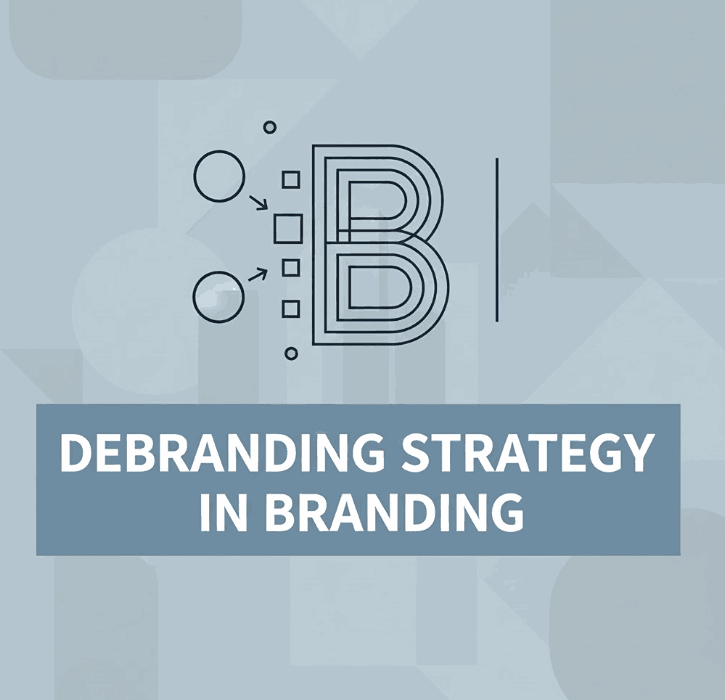
Debranding Strategy in Branding: How to Simplicity Is Reshaping Modern Brands

Debranding Strategy In Branding

Table of Contents

  1. What Is a Debranding Strategy in Branding?
  2. Why Big Brands Are Choosing Debranding
  3. Key Characteristics of a Successful Debranding Strategy
  4. The Role of Typography in Debranding
  5. Font Mockup Examples for Debranding Branding
  6. When Debranding Works — and When It Doesn’t
  7. How Designers Can Apply Debranding Principles
  8. Final Thoughts

1. What Is a Debranding Strategy In Branding?

A debranding strategy in branding is the process of simplifying a brand’s visual identity by removing unnecessary details. This can include:

  • Simplifying logos
  • Reducing color palettes
  • Using cleaner typography
  • Removing icons or symbols entirely

The goal is not to weaken the brand, but to make it more recognizable, flexible, and timeless. In many cases, debranding helps brands communicate confidence—because strong brands don’t need excessive decoration to be recognized.

Debranding Strategy In Branding

2. Why Big Choosing Debranding Strategy In Branding

There are several reasons why debranding has become so popular:

Digital-First Branding

Brands today must look good on websites, apps, social media icons, and small mobile screens. Complex logos don’t scale well, while simplified branding performs better across digital platforms.

Faster Recognition

Minimal branding allows audiences to recognize a brand instantly without visual noise. Clean typography and simple marks are easier to remember.

Timeless Design

Trends change quickly, but simplicity lasts. Debranding helps brands avoid frequent redesigns and stay relevant longer.

Global Consistency

Simpler logos and typography are easier to adapt across cultures, languages, and markets.

3. Key Characteristics of a Successful Debranding Strategy In Branding

A strong debranding strategy usually includes:

  • Minimal visual elements
  • Strong, readable typography
  • Neutral or limited color usage
  • Clear brand voice and tone
  • Consistency across platforms

Typography often becomes the main visual identity once logos and symbols are reduced—making font selection more important than ever.

4. The Role of Typography in Debranding Strategy In Branding

When brands remove icons and complex visuals, typography takes center stage. Fonts communicate personality, trust, and emotion without needing extra decoration.

In debranded identities:

  • Serif and script fonts can add human warmth
  • Clean display fonts create confidence and clarity
  • Well-designed letterforms replace symbols as brand signatures

This is why choosing the right font is critical for modern branding strategies.

Debranding Strategy In Branding

5. Font Mockup Examples for Debranding Strategy In Branding

Here are font examples from CalligraphyFonts.net that work exceptionally well for branding and debranding concepts:

Suffragist Font

A natural and confident script font that brings a human touch to minimalist branding. Ideal for lifestyle, fashion, and boutique brands.

Dinernighty Font

A clean yet expressive font suitable for logo text and brand headlines, especially when icons are removed.

Jungle Queen Font

A bold script font that maintains personality even in simplified branding systems. Works well as a standalone logo text.

Charima Sharene Font

Elegant and refined, this font is perfect for premium branding that relies on typography instead of visual symbols.

These fonts demonstrate how strong typography can replace complex logos while maintaining brand character.

6. When Debranding Works — and When It Doesn’t

Debranding Works Best When:

  • The brand already has strong recognition
  • Typography is carefully chosen
  • The brand message is clear and consistent

Debranding Can Fail If:

  • The brand lacks identity clarity
  • Typography is generic or poorly designed
  • Simplicity removes too much personality

Debranding is not about being boring—it’s about being intentional.

7. How Designers Can Apply Debranding Strategy In Branding Principles

Designers working on modern branding projects can apply debranding strategies by:

  • Starting with typography-first logo concepts
  • Reducing color usage to essentials
  • Testing logos at small sizes early
  • Focusing on readability and spacing
  • Letting fonts carry the brand personality

Fonts from curated libraries like CalligraphyFonts.net make it easier to build strong identities without visual clutter.

8. Final Thoughts

A debranding strategy in branding is not about removing value—it’s about removing distraction. In a crowded digital world, clarity wins. Brands that embrace simplicity, supported by strong typography, often appear more confident, modern, and trustworthy.

By combining debranding principles with expressive, high-quality fonts, designers can create brand identities that are both minimal and memorable.

References

  • Canva Branding tips and tricks
  • Interaction Design The world’s biggest collection of design knowledge
  • Din Studio What Makes Big Companies Change Their Logos to Simpler Ones?
Posted on

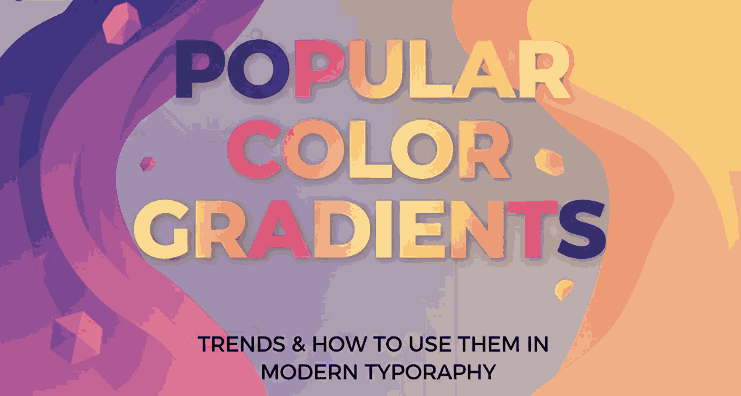
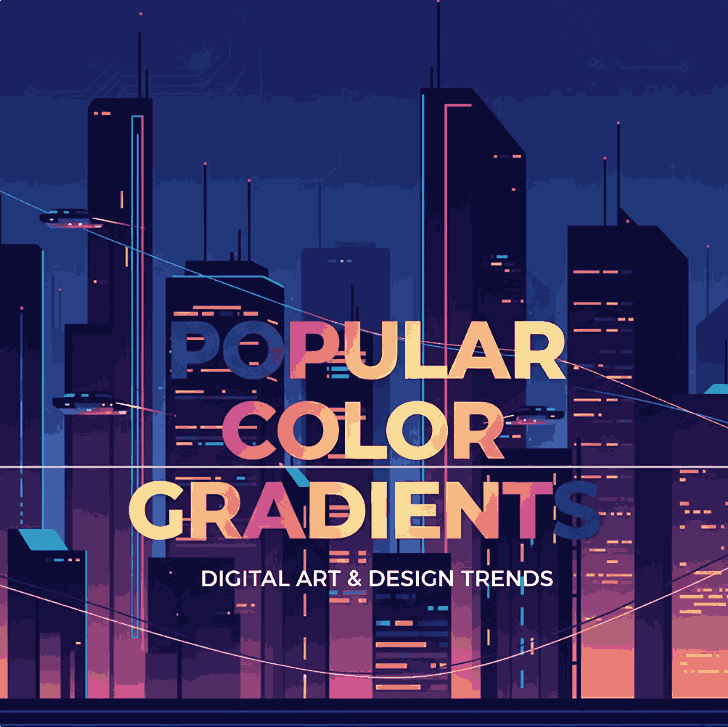
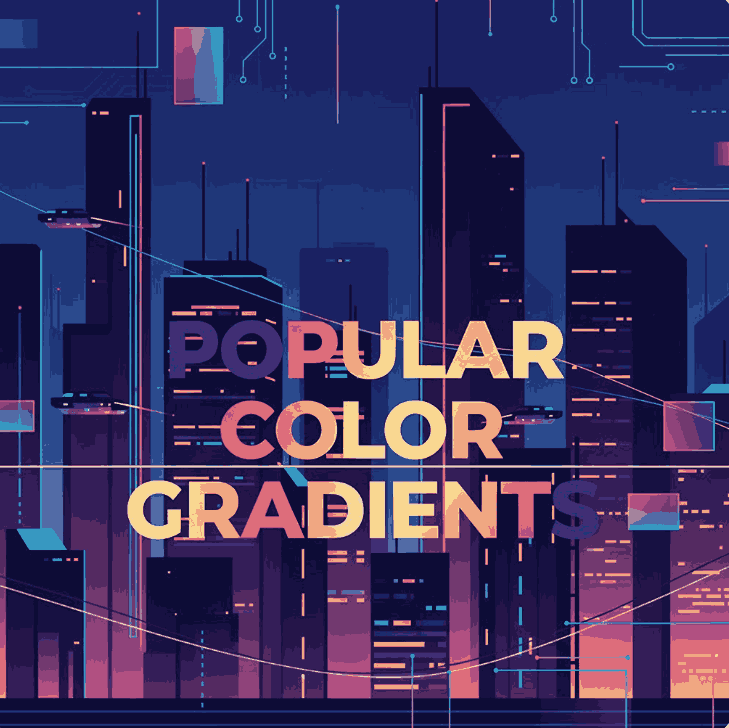
Popular Color Gradients: Trends & How to Use Them in Modern Typography

Popular Color Gradients

Table of Contents

  1. What Are Color Gradients?
  2. Why Color Gradients Are So Popular
  3. Types of Popular Color Gradients
  4. Trending Color Gradient Combinations
  5. Using Color Gradients in Typography
  6. Font Mockup Examples with Popular Color Gradients
  7. Tips for Choosing the Right Gradient for Your Design
  8. Final Thoughts

1. What Are Popular Color Gradients?

Popular Color Gradients is a gradual transition between two or more colors. Instead of a flat, solid tone, gradients blend hues smoothly to create depth and dimension. Designers use gradients to add realism, motion, and visual interest to digital and print designs.

There are several common gradient types:

  • Linear gradients (colors transition in a straight line)
  • Radial gradients (colors radiate from a central point)
  • Angular gradients (colors rotate around a center)
Popular Color Gradients

2. Why Are Popular Color Gradients

Color gradients are popular because they:

  • Create visual depth and hierarchy
  • Add a modern and dynamic feel
  • Evoke emotions and brand personality
  • Work well across web, social media, and print

In typography, gradients help text stand out, especially for headlines, logos, posters, and product mockups. When paired with expressive fonts, gradients enhance legibility while adding artistic flair.

3. Types of Popular Color Gradients

Soft Pastel Gradients

These gradients blend gentle hues like pink, lavender, mint, and baby blue. They are widely used in lifestyle branding, beauty products, and minimalist designs.

Vibrant Neon Gradients

Bold combinations such as purple-to-pink, blue-to-cyan, or orange-to-magenta are common in tech branding, music visuals, and creative portfolios.

Dark & Moody Gradients

Deep blues, blacks, purples, and reds create dramatic and luxurious moods. These gradients are perfect for premium branding and high-end typography.

Natural & Earthy Gradients

Inspired by nature, these gradients combine green, brown, sunset orange, and sky blue tones, making them ideal for eco-friendly and organic brands.

4. Popular Color Gradients Combinations

Some popular color gradient trends dominating modern design include:

  • Purple → Pink → Orange (creative & energetic)
  • Blue → Teal (clean & professional)
  • Gold → Amber → Brown (luxury & elegance)
  • Peach → Coral → Rose (friendly & modern)

These combinations work especially well when applied to large typographic elements like logos and hero headlines.

5. Using Popular Color Gradients in Typography

Typography is one of the most effective areas to apply gradients. However, balance is key. Here are some best practices:

  • Use gradients mainly on headlines or display text
  • Pair gradient text with neutral backgrounds
  • Choose fonts with smooth curves or bold strokes
  • Avoid overly complex gradients on small text

Script and calligraphy fonts are particularly suitable because their flowing forms allow gradients to transition naturally across letter shapes.

Popular Color Gradients

6. Font Mockup Examples with Popular Color Gradients

Here are some excellent font choices from CalligraphyFonts.net that work beautifully with popular color gradients:

Workday Font

A casual and friendly calligraphy font, perfect for pastel or warm gradients in lifestyle branding and social media designs.

Shimmer Gold Font

This elegant script font pairs perfectly with gold, amber, or dark luxury gradients, making it ideal for premium logos and product packaging.

Super Dreamer Font

A bold brush-style script font that shines with vibrant neon or sunset gradients, perfect for creative branding and posters.

Southeasterly Script Font

A dynamic and expressive script font that works well with dramatic and high-contrast gradients for branding and editorial designs.

Using these fonts in gradient-based mockups helps demonstrate how typography and color trends work together in real-world designs.

7. Tips for Choosing the Right Gradient for Your Design

  • Match the gradient mood with your brand identity
  • Test readability on different screen sizes
  • Use subtle gradients for professional designs
  • Reserve bold gradients for creative or promotional content
  • Always preview your gradient typography in real mockups

A good gradient should enhance your font—not overpower it.

8. Final Thoughts

Popular color gradients continue to shape modern design trends, especially in typography and branding. When used thoughtfully, gradients can elevate fonts, communicate emotion, and create memorable visuals.

By combining trending color gradients with expressive calligraphy fonts from CalligraphyFonts.net, designers can create typography that feels modern, artistic, and impactful. Whether you’re designing logos, posters, packaging, or digital content, gradients remain a powerful creative tool.

References

Posted on

Sell Digital Patterns Online: Ultimate New Guide for Creators & Designers

Sell Digital Patterns Online

Table of Contents

  1. Introduction: Why Digital Patterns Are Worth Selling
  2. What Are Digital Patterns?
  3. How Selling Digital Patterns Can Earn You Passive Income
  4. Best Platforms to Sell Digital Patterns Online
  5. Choosing the Right Marketplace for Your Patterns
  6. Creating High-Quality Pattern Files for Sale
  7. Font Mockup Examples to Enhance Your Pattern Product Pages
  8. Tips to Promote and Sell Patterns Successfully
  9. Common Mistakes to Avoid When Selling Digital Products
  10. Final Thoughts
  11. References

1. Introduction: Why Sell Digital Patterns Online

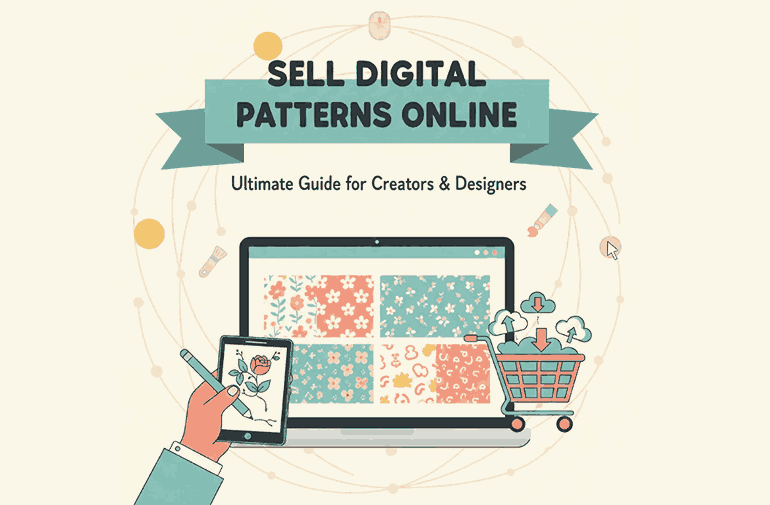
Selling digital patterns has become a solid way for designers, artists, and crafters to earn passive income from their creativity. Unlike physical products, digital patterns (such as seamless textile designs, downloadable templates, craft patterns, or printable backgrounds) require no shipping, storage, or costly production—making them highly scalable.

Digital marketplaces and platforms now offer sellers a global audience and automated sales systems with instant deliveries. As long as your designs solve a creative need, people can find and purchase them anytime, anywhere.

Sell Digital Patterns Online

2. What Are Sell Digital Patterns Online?

Digital patterns are repeatable or standalone visual assets created by designers and sold in digital file formats such as JPG, PNG, SVG, or PDF. They are commonly used for:

  • textile and surface design
  • printable craft templates
  • wallpaper or web backgrounds
  • scrapbooking and digital stickers
  • sewing and quilting patterns

Designers who make appealing and usable patterns can generate steady revenue by selling them online.

3. How Sell Digital Patterns Online Can Earn You Passive Income

There are several advantages to selling digital patterns:

Automated delivery – buyers receive files instantly after purchase
No inventory or shipping hassles
Sell the same design countless times
Multiple income streams – direct sales, licensing, bundles
Scalability – upload more patterns to increase earnings

Platforms now handle checkout, VAT, taxes, hosting, and payment processing, allowing you to focus on creativity rather than logistics.

4. Best Platforms to Sell Digital Patterns Online

There are many places where you can sell your digital patterns. Each has unique benefits:

Sellfy – All-in-One Store Solution

Sellfy lets you create a custom store, embed “Buy Now” buttons on your own site, and sell digital downloads with zero transaction fees. It’s ideal if you want full control over branding and sales.

Payhip – Easy Setup for Digital Downloads

Payhip offers a free store option, instant payouts, multiple file type support, and marketing tools to help grow your pattern sales. You can embed the shop within your own website too.

Patternbank & Pattern Marketplaces

Marketplaces like Patternbank allow designers to reach industry buyers, textile brands, and global audiences seeking professional surface patterns.

SewShare & Niche Market Platforms

Platforms like SewShare specialize in sewing and stitch patterns, connecting creators directly to relevan craft communities.

Creative Market and Etsy

Creative Market is a creative assets marketplace with millions of users, perfect for selling patterns alongside fonts, graphics, and templates, while Etsy remains one of the most popular places to sell pattern files and craft designs.

5. Choosing the Right Marketplace for Your Sell Digital Patterns Online

Each platform has pros and cons:

Sellfy & Payhip – Best for creators who want their own branded store and maximum control.
Pattern Marketplaces – Great for reaching industry buyers and niche pattern purchasers.
Creative Market & Etsy – Excellent for broad visibility and community audiences.

Consider factors like pricing tiers, commission fees, marketing tools, and your own promotion plan when choosing where to sell.

6. Creating High-Quality Sell Digital Patterns Online Files for Sale

To attract buyers and stand out:

✔ Provide high-resolution files
✔ Offer multiple file formats
✔ Include seamless repeat versions
✔ Create polished mockups
✔ Add clear usage instructions

High quality and attention to detail increase buyer confidence and perceived value.

Sell Digital Patterns Online

7. Font Mockup Examples to Enhance Your Pattern Product Pages

Typography plays a key role in product listing visuals and branding. High-impact fonts can elevate your pattern showcase and help your designs stand out. Below are premium font examples from CalligraphyFonts.net that pair beautifully with pattern products:

Mode Center Font

Modern, clean display font perfect for headlines and pattern title presentation.

Speed Attack Font

Bold, energetic display font ideal for eye-catching banners and featured product tags.

Jaycee Looks Font

Stylish and friendly handwriting font great for lifestyle pattern listings or playful UI elements.

Good Memories Font

Warm, decorative font suitable for vintage or cozy pattern branding and label typography.

Using thoughtful typography in your pattern product pages makes your visuals more engaging and can boost conversions.

8. Tips to Promote and Sell Patterns Successfully

Once your patterns are ready and listed, promoting them strategically will help you grow sales:

Build a social media presence – Instagram, Pinterest & TikTok work great for creative assets
Create email newsletters with new pattern releases
Use SEO-optimized titles and descriptions
Offer pattern bundles at discounted rates
Run seasonal or limited-time promotions
Collaborate with influencers or craft communities

Consistency and audience engagement are key.

9. Common Mistakes to Avoid When Selling Digital Products

Avoid these pitfalls:

❌ Uploading low-quality pattern files
❌ Not providing clear usage or installation instructions
❌ Ignoring marketing and SEO
❌ Failing to use mockups that showcase real usage
❌ Relying on one single platform without diversification

Take time to build a professional presence and treat pattern selling like a business.

10. Final Thoughts

Selling digital patterns online offers an exciting opportunity for designers and creatives to turn their designs into revenue. Whether through subscription-based marketplaces or standalone store platforms, there’s an option for every level of creator. Combining beautiful product presentation (including great typography and mockups) with smart promotion will help you stand out and generate ongoing income.

11. References

Posted on

Art Deco Graphic Design: New Elements and Modern Use Cases

Art Deco Graphic Design

Table of Contents

  1. Introduction to Art Deco in Modern Design
  2. What Is Art Deco Graphic Design?
  3. Historical Origins of Art Deco Visual Language
  4. Key Visual Elements of Art Deco
  5. Why Art Deco Continues to Influence Designers
  6. Art Deco Typography Characteristics
  7. Recommended Art Deco Fonts from CalligraphyFonts.net
  8. Best Uses of Art Deco Style in Modern Branding
  9. Tips for Creating Authentic Art Deco Designs
  10. Final Thoughts
  11. References & Authority Sources

1. Introduction to Art Deco Graphic Design Modern

A century after its rise during the early 20th century, Art Deco continues to shape contemporary graphic design and branding. Defined by elegant geometry, dramatic ornamentation, and metallic luxury aesthetics, Art Deco Graphic Design appeals to modern audiences because it blends nostalgia with futuristic sophistication.

Today, many designers apply Art Deco characteristics to create visual identity systems that feel refined, bold, and timeless. Its structured compositions and luxurious visual cues work well for digital and print branding alike.

Art Deco Graphic Design

2. What Is Art Deco Graphic Design?

Art Deco Graphic Design refers to visual communication rooted in the Art Deco movement, which thrived globally in the 1920s–1940s. The style represents progress, luxury, and bold modernism. It frequently incorporates geometric motifs, symmetry, sunbursts, metallic highlights, and decorative typography.

This design approach emerged as a reaction to industrialization—merging mechanical precision with ornamental beauty.

3. Historical Origins of Art Deco Graphic Design Visual Language

Art Deco was first introduced at the Paris Exposition of 1925, and quickly spread through architecture, product design, fashion, and graphic arts.

Influences included:

  • Cubism
  • Futurism
  • Bauhaus
  • Egyptian revival motifs
  • Jazz Age culture

During the 1930s, Art Deco shaped movie posters, travel advertisements, publications, and product packaging, helping define visual modernity for decades to come.

4. Key Visual Elements of Art Deco Graphic Design

Art Deco designs can be recognized through specific characteristics, including:

  • Symmetry and precise geometry
  • Strong vertical orientation
  • Sharp angular lines and repetitive patterns
  • High contrast shapes
  • Metallic or monochrome palettes
  • Radiating arches & sunbursts
  • Ornamental border framing
  • Tall condensed fonts

These elements work together to communicate elegance, luxury, and technological optimism.

5. Why Art Deco Graphic Design Continues to Influence Designers

Art Deco remains popular in graphic branding because it conveys:

  • exclusive luxury
  • timeless refinement
  • elegant modern minimalism
  • dramatic visual hierarchy
  • bold artistic personality

Luxury hotels, beauty brands, jewelry, high-end event venues, editorial publications, and interior designers frequently employ Art Deco motifs.

It helps build brand perception while elevating aesthetic value.

6. Art Deco Graphic Design Typography Characteristics

Typography is a primary identifier of Art Deco style. Letterforms often display:

  • tall vertical proportions
  • geometric and symmetrical strokes
  • dramatic contrast between thick and thin forms
  • minimal curves mixed with angular flare
  • condensed widths suited for signage

These features make Art Deco fonts ideal for:

  • headlines
  • logo display text
  • magazine title plates
  • posters
  • packaging
Art Deco Graphic Design

7. Recommended Art Deco Fonts from CalligraphyFonts.net

Below are premium fonts chosen for mockup examples, ideal for illustrating Art Deco applications in your blog post.

1. Secret Come Font

Elegant serif letterforms evoke premium vintage aesthetics.

2. Mode Center Font

Clean, stylized geometry suited for modern Art Deco headlines.

3. Quillbacks Font

Decorative serif strokes support ornamental compositions.

4. Ameralda Font

Strong luxury presence perfect for brand identity and signage.

Using display fonts with geometric geometry and stylized balance reinforces Art Deco’s classic visual signatures.

8. Best Uses of Art Deco Style in Modern Branding

Designers apply Art Deco visual languages in various branding applications:

  • Beauty & fashion labels
  • Luxury hotels and real estate
  • Jewelry packaging and boutique identity
  • Wedding invitations and event graphics
  • Film, theatre, and music poster layouts
  • Vintage revival brand campaigns

These use cases reflect the style’s ability to attract sophisticated audiences while maintaining design clarity and structure.

9. Tips for Creating Authentic Art Deco Designs

To build accurate Art Deco visuals:

✔ Use gold, black, navy, ivory, or emerald palettes
✔ Apply symmetrical and grid-based layouts
✔ Incorporate geometric motifs such as arches, triangles, sunbursts
✔ Choose tall display fonts with structural precision
✔ Use thick borders and repeating linear or radial patterns

Combining geometry and elegance produces results aligned with Art Deco identity.

10. Final Thoughts

Art Deco Graphic Design remains a timeless influence in branding and advertising. Its symmetry, contrast, and exclusive typography feel modern even today.

Designers who want to express sophistication and bold style can apply Art Deco principles—especially through carefully selected fonts—to create memorable visuals for contemporary projects.

Premium display fonts from CalligraphyFonts.net offer ideal tools to achieve authentic Art Deco expression across industries and media formats.

11. References

  • Wikipedia — Art Deco
  • Linearity — Arts Décoratifs: the history of Art Deco
  • Din Studio — Discover Art Deco : A Graphic Design Style
  • Movink Graphic — Art Deco Graphic Design Characteristics, History, and More
Posted on

Best Google Fonts Headlines: A Complete Guide Stunning Web Typography

Best Google Fonts Headlines

Table of Contents

  1. Introduction: Why Headlines Need the Right Font
  2. What Makes a Google Font Great for Headlines
  3. Best Google Fonts for Headlines (Top Picks + Design Tips)
  4. How to Pair Headline Fonts with Body Text
  5. Tips to Improve Readability & Visual Hierarchy
  6. Google Font Alternatives for High-Impact Headlines
  7. Font Mockup Examples from CalligraphyFonts.net
  8. Conclusion

1. Introduction: Why Best Google Fonts Headlines Need the Right Font

Your headline is the first element visitors see—online or in print. Choosing the right headline font can dramatically influence how content is perceived: modern, elegant, bold, playful, or serious.

Google Fonts has become one of the most accessible resources for designers thanks to:

  • free licensing,
  • responsive font support,
  • extensive multilingual character sets.

In this article, we break down the best Google Fonts for eye-catching headlines, plus practical examples for web designers, brand creators, and editorial layouts.

Best Google Fonts Headlines

2. What Makes a Best Google Fonts Headlines?

Not every Google font is suited for headlines.

A strong headline font should be:

✔ bold and readable
✔ scalable across resolutions
✔ emotionally expressive
✔ able to stand alone without shrinking readability

When evaluating headline fonts, consider:

  • stroke contrast
  • spacing and kerning
  • overall shape personality
  • legibility at mobile sizes

A good headline font is not only visually attractive—it makes the reader want to continue scanning the page.

3. Best Google Fonts Headlines (Top Picks + Design Tips)

Below are some of the most widely used and award-winning headline fonts on Google Fonts for modern design.

1. Playfair Display

A high-contrast serif typeface. Great for luxury, beauty, fashion, and editorial.

Design tips:

  • Use in large sizes for dramatic elegance
  • Pair with light sans serif body text

2. Montserrat

Clean, professional, geometric. Popular in landing pages, apps, and modern websites.

Design tips:

  • Bold weight for headlines
  • Works well in uppercase

3. Oswald

Neutral but strong condensed font. Ideal for bold campaign messages.

Design tips:

  • Works well with tight tracking
  • Great for event posters or hero banners

4. Lora

Elegant serif with organic curves. Useful for emotional or narrative-driven content.

Design tips:

  • Perfect for storytelling layouts
  • Works beautifully with serif body copy

5. Bebas Neue

Known as the uppercase headline king. Popular for magazine covers and bold product ads.

Design tips:

  • Avoid long text blocks
  • Pair with light sans serif paragraph font

4. How to Pair Best Google Fonts Headlines with Body Text

Good typography pairing improves readability and hierarchy.

Recommended pairings:

Headline FontSuggested Body Text
Montserrat BoldRoboto Regular
Playfair Display BlackOpen Sans Regular
Oswald BoldLato Light
Lora BoldRaleway Regular
Bebas NeueInter Regular

Key pairing principles:

  • contrast serif + sans serif
  • avoid using two decorative styles
  • check legibility at small and large sizes

5. Tips to Improve Readability & Visual Hierarchy

To make headlines stand out naturally:

  • use bold weight for emphasis
  • apply consistent spacing
  • use color contrast against background
  • apply responsive sizing
  • keep sentence length crisp (<12 words recommended)
Best Google Fonts Headlines

6. Google Font Alternatives for High-Impact Headlines

If you want headline fonts that look exclusive, consider premium fonts outside Google Fonts. Designers often combine Google fonts for body copy and premium fonts for headlines.

You can explore premium headline-worthy fonts here:

Calligraphyfonts.net

These fonts provide unique ligatures, stylistic alternates, and distinct personality compared to common web-standard fonts.

7. Best Google Fonts Headlines Font Mockup Examples(from CalligraphyFonts.net)

To inspire your next headline-focused project, explore these premium headline-ready fonts:

These fonts work beautifully for:

  • social media ads
  • poster headlines
  • branding wordmarks
  • editorial titles

8. Conclusion Best Google Fonts Headlines

Choosing the best Google Fonts for headlines requires balancing personality and readability. Whether you want bold modern typography or elegant editorial style, Google Fonts provides versatile, responsive and scalable type choices.

To elevate typography further, pairing Google Fonts with premium headline fonts can make your brand feel more unique and professional.

Reference